Posted on

Why Is a Spore Syringe Cloudy? What It Means

Why Is a Spore Syringe Cloudy? What It Means

A syringe that looks darker or cloudier than expected can stop a microscopy project before it starts. So, why is spore syringe cloudy? In many cases, the answer is simply that the spores have been disturbed and are suspended in the water. In others, a persistent milky haze, unusual particles, or a sudden change in appearance can point to a quality issue worth taking seriously.

The key is separating normal spore behavior from signs that a syringe may not be in good condition. A little visual context goes a long way before deciding whether to store it, inspect it more closely, or contact the seller.

Why Is a Spore Syringe Cloudy? Start With Spore Density

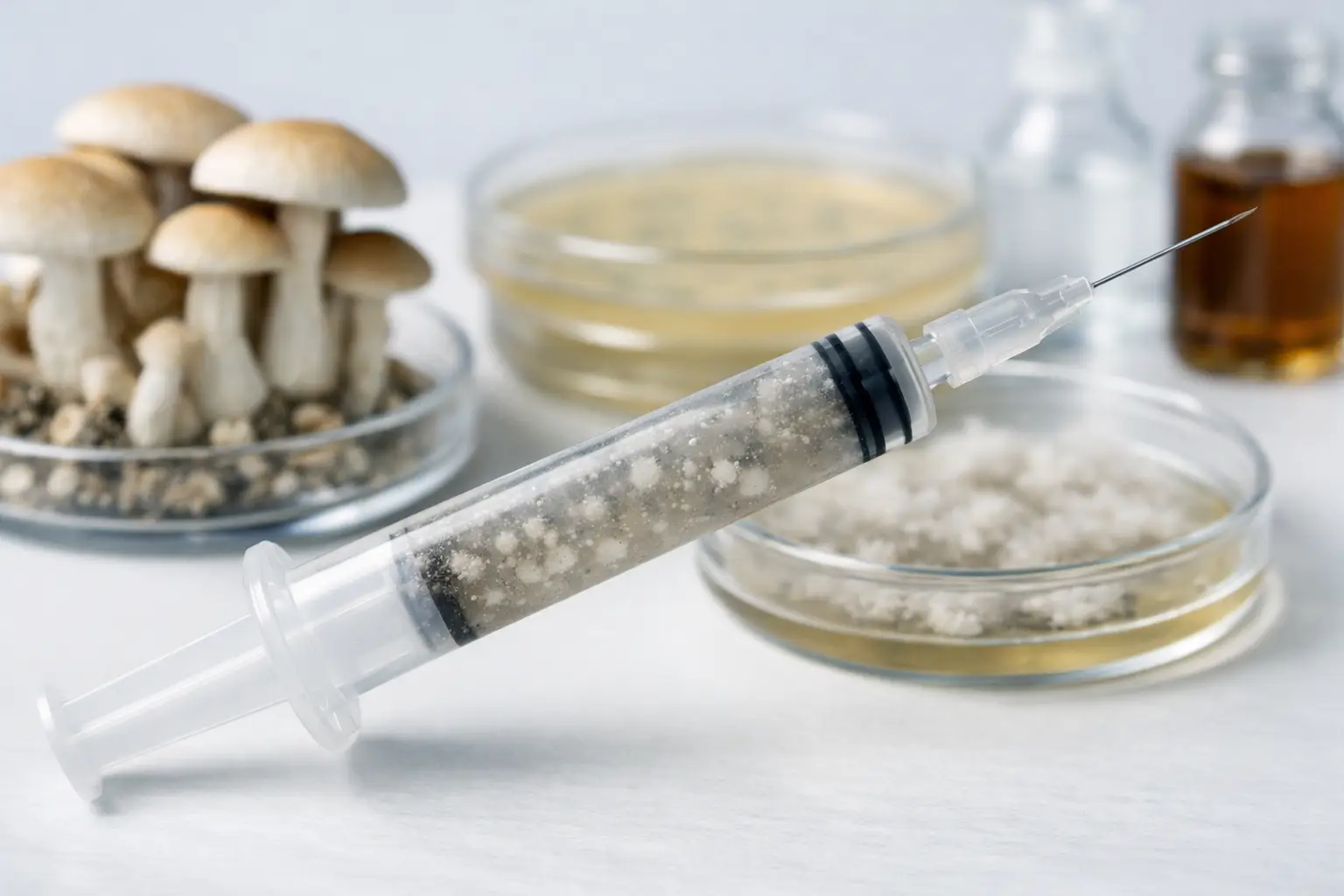
A spore syringe is typically sterile water carrying a suspension of microscopic spores. Those spores do not always distribute evenly. When the syringe has been shaken during shipping, handled frequently, or recently mixed, the water can look smoky, grayish, brownish, or nearly opaque depending on the variety and concentration.

This is especially common with a dense syringe. A heavier spore load can create visible swirls, clusters, and dark streaks that make the liquid appear cloudy. That appearance alone is not automatically a red flag. Let the syringe rest upright for several hours or overnight at a stable temperature. If much of the material settles toward the bottom while the water above becomes clearer, you are most likely seeing normal sedimentation.

Spore clumps are normal, too. Spores can adhere to one another, particularly after sitting in storage. A gentle, controlled shake can break up some of those clusters and redistribute the contents. The goal is even suspension for observation, not a perfectly clear liquid. A clear syringe is not necessarily better, and a dark one is not necessarily defective.

Normal Haze vs. a Concerning Cloudy Syringe

The word “cloudy” can describe several different looks. A normal spore suspension often has a particulate quality. You may see fine specks, wispy trails, or darker material that moves when the syringe is tilted. The water may clear noticeably once it rests.

A concerning haze is more likely to look uniform and milky, with little visible definition between the water and the suspended material. It may resemble diluted milk, have a dull film-like appearance, or remain equally opaque after sitting undisturbed. This does not prove contamination by itself, but it gives you a reason to pause rather than assume the appearance is normal.

Color matters in context. Dark brown, purple-brown, or blackish specks can be consistent with spores. A pink, orange, green, or intensely yellow cast is less typical and deserves careful inspection. The same goes for unexpected floating mats, fuzzy-looking masses, oily droplets, or stringy material that does not resemble dispersed spores.

Odor is not a reliable test. A sealed syringe should remain sealed until you are ready to use it for its intended purpose, and opening it simply to smell it introduces unnecessary variables. Visual inspection, storage history, packaging condition, and the supplier’s support policy are more useful starting points.

Four Signs to Document Before Contacting Support

If you suspect that your syringe is not right, take clear photos before handling it further. The most helpful details are:

  • A uniform, milk-like cloudiness that does not settle after resting
  • Unusual colors such as pink, green, orange, or bright yellow
  • Visible debris, floating films, or unexpected jelly-like material
  • A damaged seal, leaking package, loose cap, or compromised sterile packaging

Photos taken against a plain light background, plus the product label and lot information if provided, make it much easier for a retailer to assess the issue. Avoid relying on a single photo immediately after shaking, since freshly suspended spores can look dramatically darker than they do after settling.

Shipping and Storage Can Change How It Looks

Temperature swings are one of the most overlooked reasons a syringe may arrive looking different from the product photo. Packages can sit in warm trucks, cold sorting facilities, or mailboxes for longer than planned. Those conditions can change how spores clump and settle, even when the package remains intact.

Movement is another factor. A syringe travels through conveyors, bins, and delivery vehicles before it reaches your door. By arrival, the contents may be fully agitated. Letting it rest is often the simplest first move. Do not judge the appearance solely at unboxing.

For storage, keep the syringe sealed, protected from light, and at a cool, stable temperature. Avoid freezing, direct sun, hot vehicles, and repeated warm-to-cold cycles. More handling means more agitation, and more agitation makes it harder to tell whether you are seeing normal suspended spores or a truly unusual change.

A labeled storage bag or container also helps prevent mix-ups. When you have several varieties in rotation, it is easy to forget which syringe looked dense from the start and which one changed over time. A quick arrival photo gives you a useful baseline.

What Not to Do When a Syringe Looks Off

Do not try to “fix” cloudiness by opening the syringe, transferring its contents, adding water, or filtering it. Those actions can compromise sterility and make the original condition impossible to evaluate. They can also prevent a seller from meaningfully reviewing a quality concern.

Do not assume every speck is contamination. Spores are visible material, and their natural clumping can look unfamiliar if you expect clear water. On the other hand, do not ignore a syringe that has an obviously damaged seal or a strikingly abnormal color. The balanced approach is to let it rest, compare what you see with normal particulate suspension, and document anything that remains concerning.

It also helps to avoid comparing every syringe to one idealized standard. Different varieties, batches, and spore concentrations can look noticeably different. One may show a light dusting of spores, while another has bold dark clusters. Consistency within a single syringe matters more than whether it matches a photo from another variety.

When to Reach Out to Your Supplier

Contact the supplier when the cloudiness remains uniform after settling, the packaging is compromised, or the contents show clearly unusual color or material. Be direct and specific: include your order number, the date received, storage conditions, whether the syringe was shaken, and photos taken after it has rested.

A reputable specialty retailer should be able to explain what normal appearance looks like for its products and tell you what information it needs for a quality review. This is more productive than guessing from color alone. It also helps the supplier track any possible shipping or batch issue.

If the syringe only appears dark immediately after movement and then separates into clearer water with visible sediment, it is generally behaving as expected. Store it correctly, keep the packaging clean and intact, and handle it only as needed. For collectors and microscopy-focused enthusiasts building a varied library, that small amount of patience protects both product quality and your peace of mind.

Cloudiness is a visual clue, not a verdict. Give the contents time to settle, look for the difference between defined spores and a uniform haze, and save your documentation. That practical habit makes every new addition to The Mycelium Network easier to evaluate with confidence.

Posted on

Edible Cultures Compared for Every Grower

Edible Cultures Compared for Every Grower

A culture can look great on the shelf and still be the wrong fit for your grow. The most useful way to approach edible cultures compared is not by asking which mushroom is best overall. Ask which one matches your space, substrate, climate control, harvest goals, and appetite for hands-on work.

A fast colonizer is appealing, but speed alone does not guarantee an easy fruiting cycle. A dramatic-looking cluster may be a fan favorite, yet demand more fresh air than a smaller setup can provide. The right culture is the one you can run consistently, learn from, and enjoy eating at the end.

Edible Cultures Compared by Growing Style

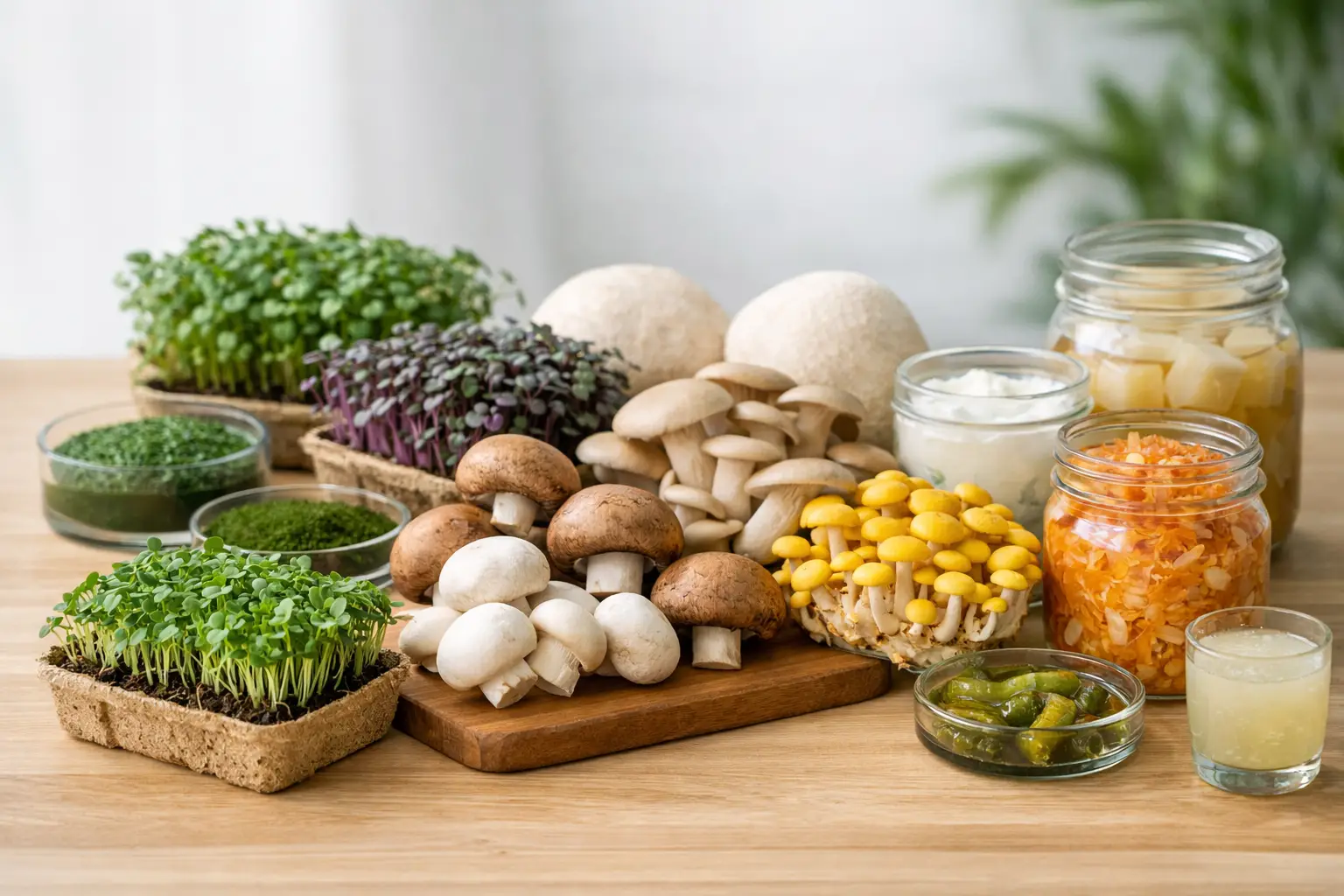
For many home cultivators, oyster mushrooms are the practical starting point. They colonize aggressively, tolerate a range of supplemented hardwood-based substrates, and offer a quick path from healthy culture to harvest. They are also available in several varieties, each with its own preferred temperature range and visual character. Blue, pearl, pink, and golden oysters are related in spirit, but not interchangeable when your growing area runs hot or cool.

Lion’s mane sits in a different lane. It is a premium culinary mushroom with a distinctive look and a texture that makes it popular in the kitchen. It generally rewards growers who can maintain steady humidity and give the fruiting block enough fresh air. When conditions are off, lion’s mane often tells you clearly through loose, irregular growth rather than dense, well-formed spines. It is not necessarily difficult, but it benefits from attention.

Shiitake is a patient grower’s culture. It can take longer to mature than oysters, and it has a more deliberate relationship with hardwood-based blocks. That slower pace is part of the trade-off. Shiitake offers familiar flavor, strong culinary demand, and a satisfying harvest for growers willing to give a block the time it needs to brown, consolidate, and fruit properly.

Chestnut mushrooms and pioppino appeal to growers who want more than the standard grocery-store lineup. Both can produce attractive clustered fruits with serious kitchen value. They are often better choices for cultivators who already understand clean workflow, moisture management, and the importance of dialing in fruiting conditions rather than relying on a one-size-fits-all setup.

Start With Your Fruiting Environment

The most overlooked comparison point is not flavor. It is the environment you can actually provide. Before choosing a culture, take an honest look at your fruiting area. A basement shelf, a grow tent, a greenhouse, and a kitchen counter all create different challenges.

Temperature is the first filter. Some oyster varieties perform better in cooler conditions, while others are more comfortable in warmth. Choosing a strain aligned with your seasonal temperatures can save more frustration than any extra equipment purchase. If your space naturally stays warm, a warm-weather culture is often a smarter move than trying to force a cool-weather variety through a summer grow.

Fresh air exchange is the next major divider. Mushrooms consume oxygen and release carbon dioxide, so a stagnant fruiting chamber can change how a crop develops. Oysters especially show the effects quickly, often stretching stems when carbon dioxide builds up. Lion’s mane may lose its clean, dense form. A culture that performs beautifully in a well-ventilated tent may need more attention in a compact tub.

Humidity matters, but it should not mean constantly soaking the block. Most fruiting cultures need a humid surrounding environment while still allowing the substrate surface to breathe. Pools of water, saturated filters, and overly wet bags invite avoidable problems. The goal is stable moisture, not a perpetual spray-down.

Compare Cultures by Substrate Fit

Substrate compatibility is where a purchase becomes a real cultivation plan. Many popular gourmet species thrive on hardwood sawdust blocks supplemented with materials such as bran. This route is productive and versatile, but it requires accurate hydration, proper sterilization, and dependable sterile technique.

Oysters are flexible enough to work with several lignocellulosic materials, including hardwood blends and properly prepared agricultural byproducts. That flexibility makes them attractive to hobby growers who want to experiment. Still, every substrate has its own water-holding capacity, nutritional profile, and contamination risk. A culture can be vigorous and still underperform if the substrate is poorly prepared.

Shiitake, lion’s mane, chestnut, and pioppino are commonly associated with hardwood-based blocks because that material matches their natural wood-loving behavior. For growers using ready-to-inoculate products, this simplifies the choice: select a culture whose preferred substrate is already represented in the bag or block you plan to run.

Grain is best viewed as a stepping stone rather than a fruiting substrate for most of these species. Grain spawn expands a culture quickly and gives you an inoculation point for bulk substrate. It is nutrient-dense, which is useful for growth but also means clean technique matters. The more nutrition a material offers, the less forgiving it can be when handling is sloppy.

Speed, Yield, and Reliability Are Different Things

It is tempting to choose solely by how quickly a culture colonizes. Fast growth can feel reassuring, especially for newer growers, but it is only one part of the equation. A culture might race through substrate and still require careful fruiting management. Another might colonize slowly but provide dependable harvests once its cycle is understood.

Oysters often win the speed conversation. Their quick turnaround and energetic growth make them excellent for learning how a healthy culture should look. They also give growers frequent feedback, which is valuable when refining humidity, airflow, and harvest timing.

Shiitake is rarely the choice for instant gratification, yet it can be a rewarding culture for planned production. Its slower development teaches patience and block management. Lion’s mane falls somewhere between novelty and precision: the harvest is visually striking and culinary-friendly, but quality is closely tied to fruiting conditions.

Yield should also be judged over a full run, not just the first flush. A large initial harvest is exciting, but a culture’s total performance depends on substrate depth, block nutrition, environmental consistency, and how well the block recovers between flushes. Keep notes. The culture that performs best in another grower’s setup may not be the one that performs best in yours.

Flavor Should Guide the Final Choice

The kitchen is the reason edible cultivation stays so addictive. If you cook often, flavor and texture deserve as much weight as colonization speed. Oyster mushrooms are versatile, savory, and easy to use in stir-fries, tacos, soups, and skillet dishes. Their broad appeal makes them a reliable first crop.

Lion’s mane has a more distinct texture that works especially well when sliced into thick rounds and seared. It is a strong choice for growers who want a centerpiece ingredient rather than a supporting mushroom. Shiitake brings deeper, familiar umami and holds up well in broths, rice dishes, sautés, and dried pantry storage.

Chestnut mushrooms offer a firmer bite, while pioppino brings an earthy character and an elegant clustered presentation. These are excellent picks when the goal is to grow something that is harder to find fresh locally. The best edible culture may simply be the one that changes what you cook each week.

Choosing Your Next Culture With Purpose

Newer growers usually benefit from starting with an oyster variety suited to their available temperatures. It provides a clear baseline for learning culture health, colonization, pinning, and harvest timing. Once that process feels familiar, lion’s mane is a logical next challenge for anyone ready to pay closer attention to fresh air and form.

For a longer project with classic culinary payoff, choose shiitake. For variety-driven growers who already have their workflow dialed in, chestnut and pioppino can bring fresh character to the fruiting room and dinner plate. There is no need to chase every species at once. Running one or two cultures well teaches more than juggling a crowded shelf of unfamiliar bags.

Myceli Nation is built for growers who want that range without hopping between fragmented suppliers. Choose a culture based on your real conditions, keep your process clean, and let each harvest point you toward the next species worth running.

Posted on

7 Best Agar Plate Brands for Home Mycology

7 Best Agar Plate Brands for Home Mycology

A bad plate can waste a perfectly good culture sample. A good one gives you a clean, hydrated surface, readable growth, and a realistic chance to spot contamination before it follows your culture into grain. That is why comparing the best agar plate brands is less about finding a fancy label and more about finding plates that arrive usable, consistent, and suited to the way you work.

For most home mycologists, pre-poured plates are the practical choice. They remove the pressure-cooking, pouring, and condensation-management steps so you can focus on transfers, cloning, isolation, and culture cleanup. Still, not all pre-poured agar is equal. Media recipe, dish quality, packaging, shipping conditions, and seller freshness all affect the result.

What Makes an Agar Plate Brand Worth Buying?

Start with the plate itself. A dependable plate should be properly sealed, free from visible contamination, and poured at a depth that resists drying out while giving mycelium room to spread. The agar surface should be smooth and reasonably clear unless you intentionally ordered a dark or supplemented medium.

Media choice matters just as much. Light malt extract agar, often called MEA, is a familiar all-purpose medium for observing growth and making routine transfers. Potato dextrose agar, or PDA, can support vigorous growth but may be less visually clean for some inspection work. Yeast-enhanced recipes can be useful when you want more nutrition, while lower-nutrient media may help slow overly aggressive growth and make sectoring easier to read.

The best brand for you also depends on your workflow. A cultivator making occasional tissue transfers may value a small, ready-to-use pack. Someone cleaning several cultures or running repeated isolation work will probably get better value from larger sleeves of consistent plates. If you are working with a new specimen, colored media can make pale growth easier to see, but it is not automatically better than a clean standard MEA plate.

7 Best Agar Plate Brands to Consider

Rather than treating this as a single winner-takes-all ranking, think of these brands as strong options for different needs. Inventory, plate recipes, and shipping policies can change, so always read the current product description before ordering.

1. MycoLabs

MycoLabs is a recognizable name among home cultivators looking for pre-poured dishes and a range of media styles. Its appeal is simple: cultivators can often choose from standard nutrient agar, colored agar, and selective-style options without having to pour their own plates.

This is a sensible pick for growers who want variety in one order. Standard plates work for routine transfers, while colored or lower-nutrient options can be reserved for specific cleanup and observation tasks. Check the plate count and medium before comparing prices, since a lower upfront price is not always a better per-plate value.

2. North Spore

North Spore is often a good fit for cultivators who prefer established supply brands and straightforward product presentation. Its pre-poured agar offerings tend to appeal to growers building a broader cultivation supply order, rather than buying plates as a one-off item.

The main advantage is convenience when you are already sourcing other essentials. For first-time agar users, simple nutrient agar plates from a trusted cultivation supplier are usually easier to work with than experimental recipes. Keep an eye on storage recommendations and use-by guidance when your shipment arrives.

3. Midwest Grow Kits

Midwest Grow Kits is another familiar option for hobby growers who want plates alongside general cultivation equipment. Its value is in accessibility: it serves customers who may be setting up a still-air box, organizing a first clean-work routine, or expanding from liquid culture into agar work.

Look for plain, clearly labeled plates if your goal is learning clean transfers. You do not need a complicated formula to practice taking a tiny wedge from clean leading growth and moving it to fresh media. A basic plate that arrives in good condition will teach you more than a specialty plate used at the wrong stage.

4. Out-Grow

Out-Grow has long been known in the wider mushroom cultivation supply space, including for media and laboratory-style supplies. It is worth considering when you want conventional options and are comfortable selecting media based on your actual goal rather than marketing language.

For routine culture maintenance, traditional MEA or PDA can be enough. If you are trying to clean up a questionable sample, it may make sense to reserve specialty media for that job and keep standard plates for follow-up transfers. The brand matters, but fresh plates and good sterile technique matter more.

5. MycoHaus

MycoHaus is a practical choice for enthusiasts looking for a broad cultivation catalog, including petri dishes, ingredients, and prepared options. It can suit the grower who wants flexibility between buying ready-made plates now and eventually mixing their own media later.

That flexibility is useful because agar work tends to expand. Many cultivators begin with a sleeve of pre-poured plates, then move toward pouring their own once they know which media they use most. Buying from a supplier that offers both routes can make that transition easier.

6. FunGuy Supplies

FunGuy Supplies is worth a look for home mycology buyers who prefer specialty-focused products and smaller-batch cultivation gear. Availability can vary, which is common with niche suppliers, but that also means the catalog may include useful plate formats that bigger general retailers overlook.

When shopping smaller suppliers, pay special attention to recent product details. Confirm the medium, number of plates, sealing method, and whether the plates are intended for immediate use or longer storage. If those details are vague, ask before you buy rather than guessing.

7. Local Mycology Supply Shops

The final entry is not one national label, and that is intentional. A well-run local or regional mycology supplier can be one of the best sources of agar plates because transit time is shorter and plates may arrive fresher. This is especially valuable in very hot or very cold weather, when shipping can be hard on agar.

The trade-off is less consistency across sellers. Before placing an order, look for clear photos, media descriptions, recent customer feedback, and realistic shipping practices. A local seller with transparent information can outperform a bigger brand whose plates spend too long in transit.

How to Choose Between Pre-Poured Agar Plates

Do not choose based on color alone. Black agar can create visual contrast, but clear or amber media is often easier for seeing subtle growth patterns, moisture, and contamination. For most culture work, a standard MEA plate remains a reliable starting point.

Also consider dish size. Ninety-millimeter plates provide a generous working area and are common for transfers and isolation. Smaller plates can save space and media, but they dry out faster and offer less room to observe radial growth. If you are making a lot of small transfers, smaller formats may be efficient. If you are learning to read a plate, standard-size dishes are more forgiving.

Packaging deserves more attention than it gets. Individually wrapped plates are convenient for minimizing exposure after opening a pack, while sleeves of plates can be more economical for active growers. Neither format is universally superior. Buy individual wraps when your plate use is occasional, and buy sleeves when you know you will use them promptly.

Freshness and Storage Matter More Than Branding

Even the best agar plate brand cannot compensate for poor storage after delivery. Inspect plates as soon as they arrive. Look for cracked dishes, pooled water, obvious discoloration, dried or shrunken agar, and any visible foreign growth. A small amount of condensation is common, especially after temperature changes, but heavy standing water makes clean work harder.

Store unused plates according to the seller’s guidance, typically sealed and protected from light. Let refrigerated plates come to room temperature before opening them in your clean workspace. Opening cold plates invites condensation, and excess moisture can let growth spread in ways that are difficult to interpret.

Use the oldest plates first. Label every plate with the date, medium, culture source, and transfer number before you begin. A plate marked only with a strain name becomes much less useful once you have several rounds of transfers in progress.

Build Your Plate Routine Around Your Goals

If you are new to agar, start with one dependable brand and one standard medium. Order enough plates to make transfers without treating every dish like a precious resource. Ten to twenty plates is often more useful than a tiny mixed sampler because it lets you practice clean technique and repeat transfers when needed.

Once you can recognize clean leading growth, then experiment with different media, colors, or specialty plates. Keep notes on how each culture behaves instead of assuming one formula is always superior. The Mycelium Network is built around that kind of practical curiosity: observe closely, transfer thoughtfully, and let the plate tell you what it needs next.

Posted on

How Mycology Affiliates Build Real Trust

How Mycology Affiliates Build Real Trust

A generic product roundup will not move a serious mushroom audience. People who buy spores, prints, cultures, and cultivation supplies usually arrive with a purpose: they are comparing formats, restocking their workspace, researching genetics, or looking for a supplier that carries more than one familiar option. Mycology affiliates earn attention when their recommendations help those buyers make a cleaner, more confident choice.

For affiliates, this is a niche where credibility matters more than volume alone. The audience can spot vague copy, recycled product descriptions, and unsupported claims quickly. The partners who build durable commissions are the ones who understand the difference between being visible and being useful.

What Makes Mycology Affiliates Different

Mycology is not a one-size-fits-all retail category. A first-time microscopy buyer may need help understanding the practical difference between a spore syringe and a print. An experienced hobbyist may be looking for a specific culture format, a larger bundle, or dependable access to fan-favorite genetics. Edible mushroom growers often have an entirely different set of priorities, including reliable cultures and supplies suited to their projects.

That range creates opportunity, but it also makes lazy promotion ineffective. An affiliate who sends every visitor to a general storefront leaves the buyer to do the sorting. An affiliate who creates useful paths – such as beginner-friendly microscopy formats, edible culture options, or giftable bundles – gives the visitor a reason to trust the recommendation.

The goal is not to act like a catalog with a social feed. It is to become the person or publication that makes a crowded category easier to navigate.

Start With an Audience You Can Actually Serve

The strongest affiliate strategy starts by defining who your content is for. “Mushroom enthusiasts” is too broad to guide a content plan. A focused audience gives you better topics, clearer product matches, and a voice that feels earned rather than borrowed.

For example, a microscopy-focused creator can publish clear comparisons between prints and syringes, explain how collectors organize their materials, and cover what makes a product listing useful. A gourmet growing audience may respond better to culture spotlights, seasonal project ideas, and practical supply checklists. A niche ecommerce reviewer can focus on inventory breadth, product categories, bundle value, and shipping considerations.

You do not need to cover every corner of mycology. In fact, trying to do so can weaken the content. It is better to be known for thoughtful guidance in one part of the hobby than to publish broad recommendations with no point of view.

Match the format to the buyer’s question

Good affiliate content begins with a real question, not a product name. A buyer may be asking which format makes sense for microscopy, whether a bundle is better value than buying items separately, or how to choose between a familiar variety and something new. Build the page, video, email, or post around that decision.

This approach also keeps product mentions natural. If an article explains how shoppers compare spore prints and syringes, the relevant products have a clear place in the conversation. If the content is a strain spotlight, readers should leave with a better sense of what distinguishes the item and who may be interested in it.

Product-led content still needs a point. A long list of names rarely helps someone choose.

Build Content That Helps Before It Sells

Mycology audiences appreciate detail, but detail should serve the reader. Explain terminology accurately. Use product names correctly. Be specific about the format being discussed. If you have not used or examined something firsthand, do not write as if you have.

The most useful affiliate content often sits close to the purchase decision. Think comparison posts, format explainers, gift guides for enthusiasts, seasonal supply roundups, and category overviews that clarify what a buyer will find. These formats work because they reduce friction without treating the audience like beginners who need everything simplified.

A few content angles consistently give affiliates room to add value:

  • Format comparisons that explain the practical distinctions between syringes, prints, cultures, and ready-to-inoculate options.
  • Category guides for edible cultures, collectible varieties, bundles, or cultivation accessories.
  • Buyer-focused reviews that assess selection, product organization, promotion structure, and ordering experience.
  • Curated picks for a defined need, such as a microscopy collector building a varied selection or a gourmet grower planning a new project.

The difference is intent. A useful guide gives the reader a framework for choosing. A weak guide simply repeats what appears in a product grid.

Trust Is the Conversion Engine

Affiliate disclosure is not a hurdle to hide. It is part of operating like a credible publisher. Be clear that you may earn a commission when readers purchase through your recommendation, and keep the language straightforward. Your audience is more likely to respect transparency than clever wording designed to bury it.

Trust also comes from balanced recommendations. Not every buyer needs the largest bundle. Not every format fits every project. If a product is better for collectors than for someone seeking edible cultures, say so. If shipping availability, local regulations, or intended-use terms may affect a purchase, encourage readers to review those details before ordering.

That nuance protects your reputation. It also improves the quality of the clicks you send. The best affiliate traffic is not random traffic. It is made up of people who understand what they are looking at and have a reasonable expectation that the retailer can meet their needs.

Avoid claims that create problems

The mycology space rewards care. Keep product descriptions factual and avoid making guarantees you cannot support. Do not imply outcomes, make medical claims, or turn educational content into advice outside your expertise. Be accurate about product formats, availability, and retailer policies, especially when addressing an international audience.

It also pays to review current program terms before publishing. Commission structures, eligible products, promotional rules, and geographic restrictions can change. A high-performing article built around outdated information creates a poor reader experience and extra work later.

Choose Partners With Enough Depth to Support Your Content

An affiliate relationship works best when the retailer gives you enough inventory and category depth to keep creating useful content. A narrow catalog can be ideal for a highly specialized audience, but it limits your editorial range. A broader storefront lets you build multiple pathways for different types of shoppers without sending them to fragmented suppliers.

Look beyond the commission rate. Consider whether the store carries recognizable favorites alongside less common options, whether categories are easy to understand, whether bundles provide a clear value story, and whether the buying experience reflects the standards your audience expects. Reliable fulfillment and straightforward product merchandising matter because every recommendation reflects back on you.

Myceli Nation is built around this kind of connected experience: a place where shop categories, mushroom education, bundles, and partner opportunities can support the same community. For an affiliate, that ecosystem creates more than one reason for a visitor to return.

Measure More Than Clicks

Clicks can tell you which headlines or platforms generate curiosity, but they do not always show whether your content is helping the right audience. Watch which pages produce qualified traffic, which product categories attract interest, and which formats lead to repeat engagement. A small, focused email audience can often outperform a larger audience that only skims social posts.

Use those patterns to improve the next piece of content. If format comparisons get consistent attention, build a series around them. If bundles convert well during gift-buying periods, create a timely guide rather than forcing the same promotion year-round. If a particular category creates questions in comments or replies, that is a signal to make a useful explainer.

Affiliate growth is rarely about finding one viral post. It is about creating a library of specific, trustworthy pages that continue answering buyer questions over time.

Make the Recommendation Worth Remembering

The affiliate content that gets shared usually does more than point to products. It gives someone a useful answer they can send to a friend, save for later, or return to when they are ready to order. That is the standard worth chasing.

Stay close to your audience’s actual questions, recommend with care, and keep your content current as product selections evolve. In a community built around curiosity and craft, real usefulness travels farther than a hard sell.

Posted on

10 Top Mushroom Affiliate Programs to Consider

10 Top Mushroom Affiliate Programs to Consider

A mushroom affiliate offer only works when it matches what your audience actually wants to buy. The top mushroom affiliate programs are not always the ones with the loudest commission claims. For cultivators, collectors, microscopy buyers, and gourmet mushroom fans, product depth, stock consistency, and a store people trust often matter more than a flashy banner.

This is a niche where the right partner can become a useful part of your content instead of an awkward sales interruption. A culture-focused audience needs different recommendations than a wellness audience. A buyer searching for a spore print has different expectations than someone building an indoor gourmet grow setup. Start there, then compare the program terms.

What Makes a Mushroom Affiliate Program Worth Promoting?

Before choosing a partner, look beyond the commission percentage. A high rate does not help much if the catalog is thin, products are frequently unavailable, or the buyer journey is confusing. Your reputation is attached to every recommendation.

The strongest programs tend to have a clear product category, solid merchandising, recognizable best sellers, and enough inventory for repeat visits. They should also provide a straightforward way to track referrals and explain how payments, returns, and qualifying orders are handled. Terms can change, so always review the current program page before publishing a recommendation.

For mycology publishers, product-market fit is the biggest filter. A site built around gourmet cultivation can naturally recommend liquid cultures, grain spawn, grow bags, and fruiting supplies. A blog covering daily mushroom supplements needs transparent functional mushroom products and useful education around formats, ingredients, and routines. Trying to promote everything to everyone usually produces weak clicks and even weaker conversions.

10 Top Mushroom Affiliate Programs to Consider

1. Myceli Nation

Myceli Nation is built for a broad mycology audience that wants a single destination for spores, prints, ready-to-inoculate products, edible cultures, and cultivation supplies. That range gives affiliates room to create category-specific content instead of forcing every visitor toward one product type.

This is a natural fit for creators who cover strain collections, microscopy, edible cultivation, starter bundles, and supply comparisons. A varied catalog also helps when your audience includes both new hobbyists and experienced growers looking for something less standard.

2. North Spore

North Spore is a recognizable name for gourmet mushroom cultivation content. Its product range is relevant for creators publishing grow guides, indoor setup walkthroughs, substrate education, and seasonal cultivation content.

The fit is strongest when your audience is focused on edible species and practical growing projects. Content that answers specific questions, such as choosing a grow kit versus building a fruiting chamber, is likely to be more useful than generic product roundups.

3. Mushroom Revival

Mushroom Revival serves the functional mushroom and wellness side of the market. It can make sense for creators with an audience interested in mushroom powders, capsules, drink mixes, and everyday routines.

Be careful with copy in this category. Focus on product format, ingredient transparency, flavor, sourcing information, and how people use a product in their routine. Avoid overstated health claims. A grounded product review will build more trust than promising dramatic outcomes.

4. FreshCap Mushrooms

FreshCap Mushrooms is another strong option for content centered on functional mushroom supplements. Its products can fit naturally into articles about powders, capsules, coffee alternatives, and practical ways to shop by format.

This program is better for an audience already interested in functional mushrooms than for a cultivation-first readership. If you have both, keep the content paths separate. A reader shopping for cultures does not necessarily want a supplement recommendation, and vice versa.

5. Real Mushrooms

Real Mushrooms is commonly considered by publishers in the functional mushroom space. The brand is associated with product-focused messaging around mushroom supplements, making it useful for comparison pages that help readers distinguish powders, capsules, and other formats.

This type of partner works well when you can write with specificity. Compare serving formats, label details, taste considerations, and the practical differences between single-mushroom and blended products. Avoid making a recommendation based on brand recognition alone.

6. Host Defense

Host Defense has a long-standing presence in the mushroom supplement category. For publishers creating educational wellness content, that familiarity may help reduce buyer hesitation.

The trade-off is that established brands often attract substantial competition from other affiliates. To stand out, build content around a clear reader need: finding a capsule format, choosing a blend, or comparing daily-use options. Thin listicles rarely carry enough value to earn trust or traffic.

7. OM Mushroom Superfood

OM Mushroom Superfood offers products that fit a lifestyle-oriented functional mushroom audience. The catalog can work for creators covering drink mixes, powders, and convenient daily formats.

It is especially relevant if your content has a food, fitness, recipe, or routine angle. A product mention inside a genuinely useful recipe or morning-routine article can feel much more natural than an isolated promotion. Keep disclosures clear wherever affiliate relationships apply.

8. Four Sigmatic

Four Sigmatic is often associated with mushroom coffee and beverage-style products. That makes it a potentially good fit for audiences that are curious about mushrooms but may not be ready to shop for cultivation supplies or specialized supplements.

Its accessibility is the advantage. The limitation is that coffee-focused products may not match a deeply technical mycology audience. Promote it where the context fits, such as coffee alternatives, office-friendly drinks, or simple entry points into functional mushroom products.

9. GroCycle

GroCycle is relevant for creators interested in sustainable growing, oyster mushroom cultivation, and small-scale food production. Its audience overlap is strongest with growers who care about hands-on projects and practical cultivation education.

This can be a smart partner for videos and articles that document a real growing process. Readers respond well when they can see what a setup requires, what went wrong, and what supplies made a measurable difference. Real cultivation content generally converts better than a generic product mention.

10. Forest Origins

Forest Origins is another functional mushroom brand worth reviewing if your audience values ingredient-forward products and approachable formats. It can fit wellness publishers who want additional options beyond the largest names in the category.

Smaller or newer programs can sometimes be useful because they give your content a less predictable product mix. Still, do your homework. Check the current product range, shipping coverage, affiliate terms, and whether the brand aligns with the standards your audience expects.

How to Choose Between the Top Mushroom Affiliate Programs

Start with your audience’s buying intent. A cultivation educator should prioritize suppliers with dependable grow supplies, cultures, and starter options. A mushroom lifestyle creator should lean toward products that fit recipes, beverages, and routines. A microscopy-focused publisher needs a partner whose catalog and customer guidance make sense for that niche.

Then look at the merchant experience from the buyer’s side. Place a test order if appropriate. Review the product pages, checkout flow, shipping information, packaging expectations, customer service policies, and availability. If you would hesitate to send a friend there, do not send your audience there.

Commission structure matters, but it should be viewed in context. A lower commission on a high-converting catalog with repeat-buy potential may outperform a higher commission on a product that is difficult to explain or expensive to ship. Cookie duration, payout thresholds, promotional restrictions, and return handling all affect what you actually earn.

Content That Converts Without Feeling Forced

The best affiliate content solves a purchase decision. Write a guide to selecting an edible culture for a first project. Create a comparison between grow kits and DIY supplies. Build a buyer’s checklist for spore prints, storage, and microscopy accessories. For functional products, compare formats based on convenience, taste, and routine rather than vague promises.

Use your firsthand perspective where possible. Explain why a particular product category suits a certain buyer, who should skip it, and what they may need alongside it. That honesty is not a conversion killer. It is the reason readers come back when they are ready to buy.

Affiliate revenue grows best when it is part of The Mycelium Network, not a shortcut around it. Recommend products with purpose, keep your content useful after the first click, and give your audience a reason to trust the next recommendation too.

Posted on

Mushroom Dropshipping for Mycology Sellers

Mushroom Dropshipping for Mycology Sellers

A shopper looking for an oyster culture, a microscopy-ready spore print, or a clean starter bundle does not want to sort through a generic garden catalog to find it. That is where mushroom dropshipping earns its place. A focused storefront can put the right formats, clear product details, and dependable fulfillment in front of a mycology-minded customer without requiring the seller to hold every item on a shelf.

For aspiring store owners, the appeal is obvious: less money tied up in inventory, a broader catalog from the start, and more time to focus on merchandising, customer education, and community. But this model works only when the supplier, catalog, and customer experience are handled with care. Mycology buyers tend to notice vague descriptions, poor packaging, and slow communication immediately.

What Mushroom Dropshipping Actually Means

Mushroom dropshipping is an e-commerce fulfillment model in which a store markets products while a partner supplier packages and ships the order directly to the buyer. The seller manages the storefront, product positioning, payment flow, and customer relationship. The supplier manages inventory, packing, and dispatch.

That division can be useful in a category with many formats and fast-moving customer interests. Instead of buying bulk stock across every culture, print, syringe, grow supply, and accessory category, a seller can build a catalog around products that fit their audience and let supply follow actual demand.

It is not a hands-off shortcut. The buyer sees your store name, not the operational chain behind it. If an item arrives late, a listing is unclear, or the package does not match expectations, the customer will come to you for answers. A good dropshipping operation is less about avoiding inventory and more about owning the experience without owning every box.

Why a Niche Store Can Beat a Giant Catalog

General dropshipping stores often lose trust because they sell unrelated items with no point of view. Mycology is different. Customers may be looking for a particular species, cultivation format, or collection-friendly print, and they want to buy from a shop that understands the difference.

A smaller, intentional catalog usually converts better than an oversized collection of loosely related products. Start with products that serve a clear buyer path. An edible cultivation customer may need cultures, substrate-related supplies, and clean labeling. A collector or microscopy-focused customer may care more about strain selection, print quality, storage guidance, and discreet, professional packing.

Your store should make those paths easy to recognize. Organize collections by product format and purpose, not just by what happens to be available from a supplier. Clear category names, accurate availability, and concise descriptions do more work than a wall of products with nearly identical titles.

This is also where bundles can help. A thoughtfully assembled starter set can make a first purchase easier, while a multi-item collection gives returning customers a reason to explore beyond a single product. Bundles should feel useful, not like excess inventory pushed into a package.

Choosing Products for a Mushroom Dropshipping Store

The best products are not always the cheapest products. A low wholesale cost means little if the item creates support requests, arrives inconsistently, or gives customers no reason to return.

Look for products with stable demand, clear specifications, and a supplier that can maintain consistent quality. Edible cultures and cultivation supplies can support practical repeat purchasing. Spore syringes and prints can support variety-driven browsing, especially when listings distinguish format, intended use, handling requirements, and collection details. Accessories can raise average order value, but only if they are genuinely relevant to the buyer’s purchase.

Before publishing an item, make sure you can answer the questions a serious customer will ask: What exactly is included? How is it packed? Is the product in stock? What are the storage considerations? When does it ship? What happens if there is a fulfillment issue?

If the supplier cannot give direct, consistent answers, do not make up for the gap with polished copy. Remove the item or wait until you can represent it accurately.

Product Pages Need More Than a Name

A strong product page feels like it was written by someone who has handled the category before. Use a descriptive title, then explain the format, contents, selection details, and any relevant handling information in plain language. Avoid exaggerated promises or claims that cannot be supported.

Photos should reflect the actual product or packaging as closely as possible. If imagery is representative, say so. Customers are generally reasonable about natural variation in mycology products, but they are less forgiving when the listing creates a different expectation than the package delivers.

Include a visible policy for order changes, damaged shipments, and support. This is not filler. Clear policies reduce friction before the sale and prevent avoidable conflict after it.

Supplier Standards Make or Break the Model

The supplier is an extension of your brand. Before launching, place test orders to yourself. Review the package as a customer would: delivery speed, exterior condition, labeling, product protection, packing materials, and whether the included materials match your listing.

Ask about inventory synchronization and how often availability is updated. Nothing drains trust faster than taking payment for products that cannot ship. Also ask who handles replacements, how tracking is shared, and what happens when a package is delayed or damaged in transit.

A supplier relationship should be operationally transparent. You need realistic processing windows, product-level stock information, and a defined contact method for exceptions. Cheap fulfillment is not a bargain if every customer problem turns into a week of unanswered messages.

For sellers building around a curated mycology catalog, a dedicated network such as Myceli Nation can make more sense than trying to connect unrelated suppliers and force them into one store. The advantage is category alignment: products, terminology, and fulfillment expectations are built around the same buyer rather than adapted from a generic marketplace model.

Compliance Is Part of Good Merchandising

Specialty mushroom products are not a category for careless listing practices. Rules can vary by location, product type, and shipping destination. A responsible store verifies applicable requirements before offering an item, restricts sales where necessary, and keeps product descriptions factual.

Do not rely on vague disclaimers as a substitute for understanding your catalog. Your checkout settings, shipping zones, age-related policies where applicable, and promotional language should all match the products you are permitted to offer. Review these details regularly, especially when expanding internationally.

This approach also protects the customer experience. Clear boundaries make a store look more professional, not less. The buyers you want to keep are looking for reliable access, straightforward information, and a seller who does not create uncertainty around an order.

Marketing a Store Without Sounding Generic

A mushroom store has a built-in advantage: the audience is naturally curious. Use that curiosity with useful merchandising instead of empty hype. Feature best sellers, seasonal favorites, new culture releases, and format-based collections. Give customers a reason to check back without training them to wait for constant discounts.

Email can be especially effective when it feels like a useful signal rather than a nonstop sale alert. A brief restock notice, a new bundle announcement, or a category spotlight can bring repeat buyers back to the store. Educational content can support this effort when it answers the same questions your support inbox receives, such as format comparisons, storage basics, or how to choose a product category.

Affiliate partnerships can also work well in a niche community, but fit matters more than reach. Partners should understand the products and speak to an audience that already has an interest in mycology. A small creator with trusted recommendations may drive better customers than a large account with a broad, disconnected following.

Measure the Store Beyond Revenue

Revenue is the headline, but it does not reveal whether your mushroom dropshipping business is healthy. Watch your refund rate, shipping-related support tickets, average delivery time, repeat purchase rate, and the percentage of orders affected by stock issues.

These numbers tell you where the customer journey breaks. If one product generates constant questions, improve the listing or remove it. If a bundle has a strong conversion rate and low support burden, consider building related offers around it. If a supplier’s shipping performance slips, address it before customers start associating the problem with your store.

The strongest mycology stores are not built by adding everything at once. They are built by choosing a dependable product lane, presenting it with real category knowledge, and making each order feel considered. Start narrow, test every fulfillment detail, and let the next addition to your catalog earn its place.

Posted on

Culture Supplier Review: What Buyers Should Check

Culture Supplier Review: What Buyers Should Check

A culture can arrive in perfect-looking packaging and still be the wrong fit for your grow. That is why a useful culture supplier review goes beyond a quick star rating or a single clean result. Buyers need to know what was ordered, how it was handled, whether the labeling matched the listing, and how the supplier responds when something is off.

For edible growers and mycology collectors, cultures are not interchangeable inventory. Species, genetics, format, freshness, and supplier practices all shape what happens after the package lands at your door. The best supplier is not automatically the one with the longest catalog or the lowest sticker price. It is the one that gives you enough clarity to order with confidence.

Start a culture supplier review with the product details

A supplier’s product page should answer the questions an informed buyer would ask before checkout. At minimum, look for the culture format, the species or variety, the amount included, storage expectations, and a clear explanation of what you are receiving. A listing that says only “mushroom culture” leaves too much room for confusion.

Liquid culture, agar-based formats, slants, and ready-to-inoculate products each serve different workflows. A first-time buyer may favor a format that is straightforward to use, while an experienced grower may care more about a specific isolated culture or the ability to expand it for future projects. Neither choice is universally better. The right format depends on your experience, your setup, and how soon you plan to use it.

Pay attention to naming, too. Familiar common names are useful for browsing, but scientific naming and straightforward strain or variety identification add another layer of confidence. If a supplier offers several selections within the same species, the listings should make the differences easy to understand instead of treating every option as a mystery box.

Look for specificity, not hype

Product language should be enthusiastic without making promises it cannot support. Phrases such as “fan favorite” or “fast-moving” can help shoppers discover popular options, but they should sit beside real details: culture type, quantity, handling guidance, and available stock.

Photos are helpful, especially when they show the actual format and packaging, but they are not proof of quality by themselves. Clear written specifications matter more than polished graphics. When comparing two suppliers, the listing that is easier to understand is often easier to work with after purchase as well.

Clean handling and packaging matter more than flashy branding

Cultures are living materials. Shipping delays, extreme temperatures, and careless packing can affect their condition before you ever open the parcel. A reputable supplier does not need to reveal every internal process, but it should communicate practical expectations around dispatch timing, packaging, storage, and what to do after delivery.

Look for shipping information that is specific enough to plan around. Does the supplier explain typical order processing times? Is there a clear note about weather-related delays? Are tracking updates available? These details are especially relevant when ordering during very hot or cold periods, or when sending a package to an address where it may sit outside.

A culture supplier review should also consider how materials are labeled. Discreet outer packaging may matter to some buyers, but accurate internal labeling matters to everyone. You should be able to identify what arrived without guessing which product belongs to which order line. Lot identifiers or dates can be a plus, particularly for buyers managing several cultures at once.

No supplier can control every carrier delay. What separates a dependable shop from a frustrating one is how it prepares customers for normal risks and how it handles the exceptions.

Read reviews for patterns, not perfection

Every specialty retailer will eventually receive a negative review. The useful question is not whether complaints exist. It is whether the same problem appears repeatedly and whether the supplier addresses it in a reasonable way.

When reading customer feedback, separate product feedback from shipping feedback. A delayed carrier scan does not necessarily say anything about culture quality. On the other hand, repeated reports of unclear labeling, mismatched items, weak packaging, or unresponsive support deserve attention.

Give more weight to reviews that include context. A buyer who states what they ordered, when it arrived, how it was stored, and how the seller responded provides more useful information than a one-line reaction. Photos can add credibility, although they should still be interpreted carefully because handling after delivery varies from one order to another.

It also helps to check whether reviews reflect the products you actually want. A supplier may earn strong feedback for basic supplies while offering limited information on cultures, or it may excel at a narrow range of gourmet selections while not being the best source for a broad order. Match the review evidence to your cart.

Questions worth asking before you buy

A supplier should make it reasonably easy to find answers to a few practical questions:

  • What format is being sold, and how much is included?
  • How is the culture identified on the listing and package?
  • When should it be used or stored after delivery?
  • What happens if the wrong item arrives or the package is damaged?
  • Is customer support available through a clear contact channel?

If the answers are scattered, vague, or only appear after payment, consider that a signal. A well-organized storefront usually reflects a well-organized customer experience.

Compare value across the whole order

The lowest price is not always the best value. A cheaper culture with unclear labeling, limited support, or inconsistent packaging can cost more in time and replacement purchases than a slightly higher-priced option from a transparent retailer.

Instead of comparing one number, compare the total order experience. Look at the culture amount, the number of selections available, shipping charges, handling information, bundle options, and replacement policy. A bundle can be useful when it groups products you genuinely plan to use. It is less useful when it pushes extra formats or varieties into your order simply because the discount looks attractive.

Catalog breadth is another trade-off. A large store can make it easier to source cultures, supplies, and related products in one order. That convenience matters when you want fewer shipments and a simpler checkout. A smaller specialist may offer a more focused selection and deeper notes on each culture. Your choice depends on whether you value one-stop shopping, narrow specialization, or a balance of both.

At Myceli Nation, that balance starts with category-based browsing, culture options, and cultivation supplies that make it easier to build an order around your actual project rather than chase random listings across multiple stores.

Check support before there is a problem

Support policies are easy to ignore until an item arrives damaged, a label seems incorrect, or a package is delayed. Read them before placing an order. You are looking for clear timing, realistic documentation requirements, and instructions that tell you what to do next.

A fair policy does not have to guarantee every outcome. Living products and carrier networks involve variables. But it should distinguish between issues the buyer can document at delivery and issues that fall outside the supplier’s control. Strong support language is plainspoken: contact us within a stated window, provide the order number and photos if needed, and we will review the issue.

Responsiveness matters just as much as policy wording. If you have a pre-purchase question about a format, product availability, or order status, the quality of the reply can tell you a lot. Helpful support is specific, direct, and realistic. It does not dodge the question with copy-and-paste language.

Build a supplier list that fits your grow plan

The most useful culture supplier review ends with a decision framework, not a verdict that every buyer must follow. Keep a short list of suppliers that meet your standards for product clarity, packaging, support, and selection. Then choose based on the project in front of you.

For a single culture purchase, clear identification and handling information may be your top priority. For a larger supply order, bundled value and consolidated shipping may matter more. For a repeat source, consistency and responsive service become the deciding factors.

Buy with a plan, keep your order records, and give each supplier a fair evaluation based on the product you actually received. The right culture source should make your next step feel clearer, not more complicated.

Posted on

Spore Print or Syringe? Pick the Right Format

Spore Print or Syringe? Pick the Right Format

A spore print or syringe can represent the same species, but they deliver a very different experience at the bench, in storage, and in a collection. One puts the spores on display in their original deposit pattern. The other suspends them in a prepared liquid format for convenient handling. Neither is automatically better – the right pick depends on what you want to observe, preserve, compare, or add to your mycology lineup.

For collectors and microscopy-focused buyers, format matters almost as much as species. A clean, well-presented print has archival appeal and gives you a visible record of spore color and density. A syringe is compact, familiar, and built around easy, measured access. Understanding the trade-offs makes shopping by category much simpler.

Spore Print or Syringe: The Core Difference

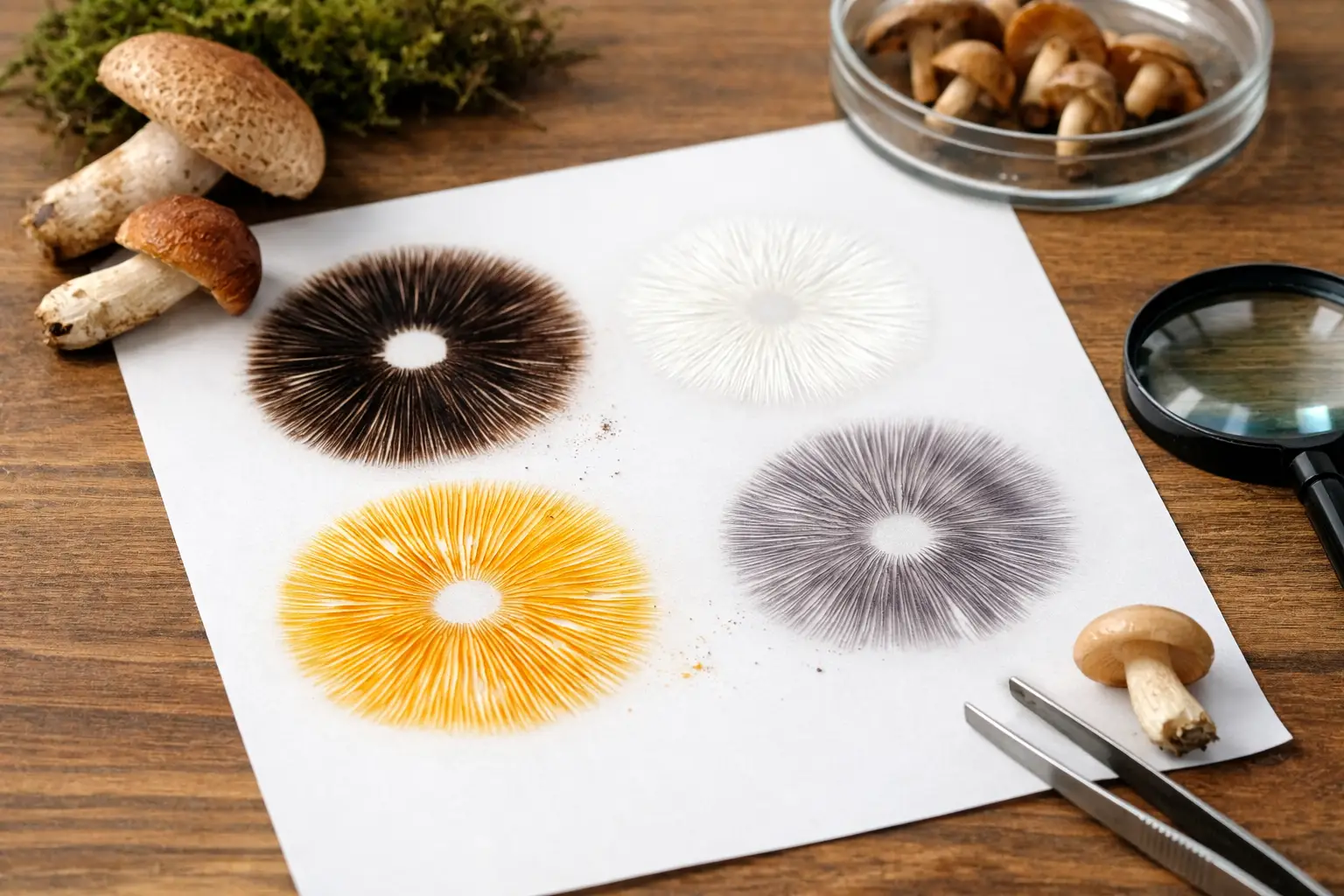
A spore print is a deposit of spores left on a sterile surface, commonly foil or another nonporous material. It is a physical snapshot of a mushroom’s reproductive material. The deposit may appear dark purple-brown, black, rusty brown, or another shade depending on the species. For microscopy work, the visual character of the print can be part of the appeal before a sample is ever prepared for observation.

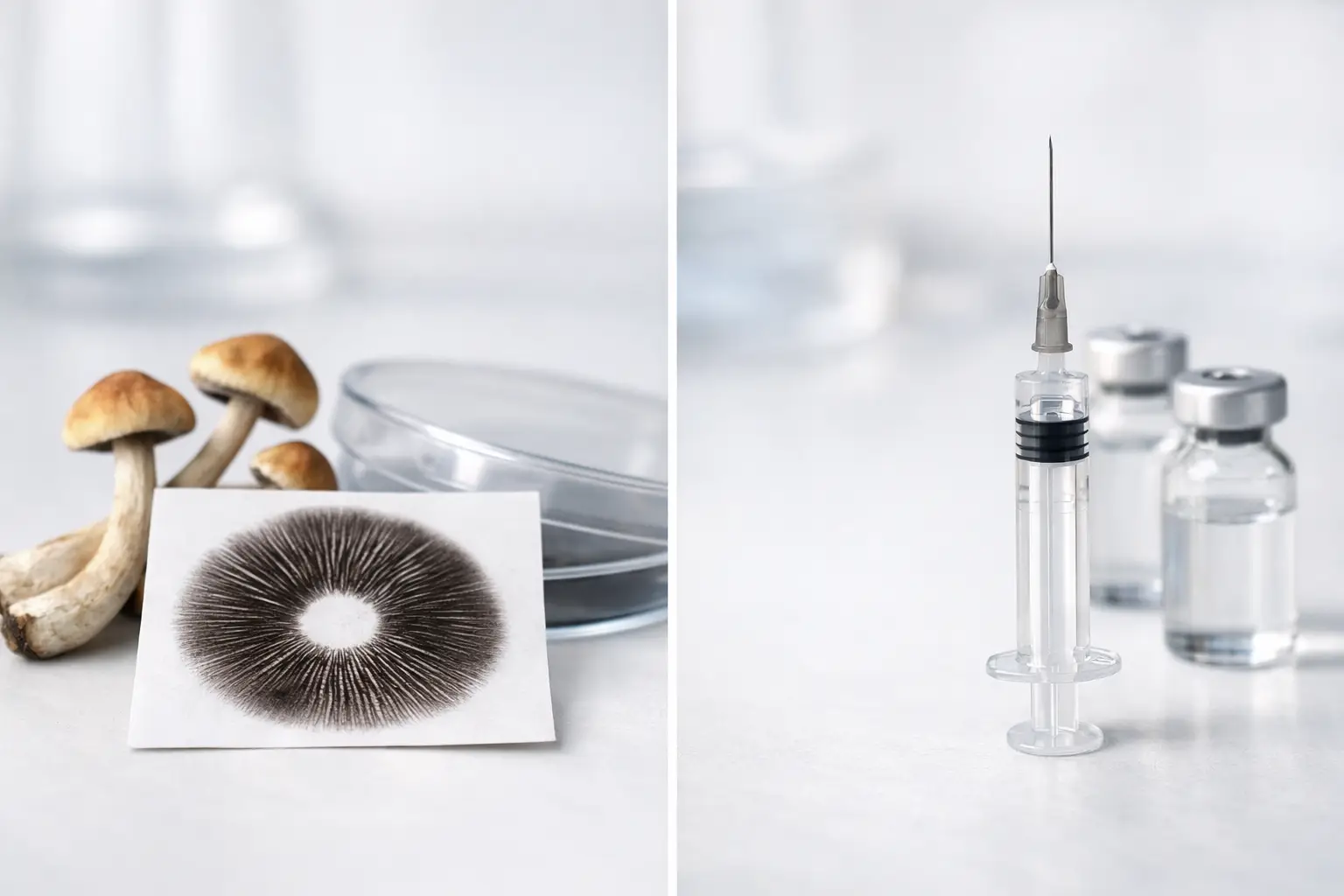
A spore syringe contains spores suspended in sterile water. The format is typically sealed in a syringe with a capped needle attachment or dispensing tip, depending on the product. It offers a more contained presentation and a format many hobbyists find easier to store, label, and handle in small quantities.

The most useful distinction is simple: a print is a visible specimen-like format, while a syringe is a liquid delivery format. That difference affects how each product travels, how it is stored, and what kind of buyer tends to prefer it.

Why Collectors Choose Spore Prints

Spore prints have a tangible quality that syringes cannot quite replicate. Each one shows a natural deposit pattern, which can range from a dense, bold impression to a lighter radial spread. For enthusiasts building a diverse archive of species and varieties, that visual identity is part of the value.

Prints are also straightforward to inspect upon arrival. You can see the substrate, the general density of the deposit, and the way the product has been packaged. A properly packaged print is flat, easy to file away, and convenient for buyers who organize their collection by species, date, source, or region.

There is a practical reason to choose prints, too. They generally take up very little space and do not require the rigid shape of a syringe for storage. If your goal is a well-labeled mycology archive rather than a ready-to-handle liquid format, prints make excellent sense.

That said, a print requires more hands-on care if you need to remove a small sample for microscopy. The working surface, tools, and sample handling all matter. Buyers who prefer a contained, portion-friendly format may find a syringe more comfortable.

Best fit for a print

Choose a print when you value visible spore characteristics, flat archival storage, traditional collecting, or the ability to keep an organized physical reference library. They are especially appealing to buyers who enjoy comparing specimens side by side.

Why Buyers Choose Spore Syringes

A syringe is designed around convenience. The spores are already dispersed in liquid, so the format is compact and ready for controlled dispensing when used for lawful microscopy and study purposes. For buyers who do not need the visual presentation of a print, that simplicity is often the deciding factor.

Syringes are also easy to identify at a glance when they are clearly labeled. A neatly organized storage box can hold several varieties without the need to keep individual foil packets flat and separate. This makes them popular with shoppers building variety packs or adding several fan favorites to a single order.

The main trade-off is visibility. Spore density in a syringe is not always obvious to the naked eye. Some spores may settle over time, and the liquid itself does not provide the same immediate visual information as a deposited print. That is normal for the format, but it means a syringe is less satisfying for someone who wants a display-worthy specimen.

Best fit for a syringe

Choose a syringe when you prioritize compact storage, controlled liquid handling, and a familiar ready-to-use format for permitted research or microscopy applications. It is a practical choice for buyers who know they prefer liquid products and want to compare several varieties without overcomplicating their setup.

Storage, Shelf Life, and Handling Considerations

Both formats benefit from careful storage. Keep products clearly labeled, protected from unnecessary heat and direct light, and stored according to the seller’s product guidance. A cool, clean, stable environment is generally preferable to a car, windowsill, garage, or any location with frequent temperature swings.

Prints should stay dry and protected from crushing, bending, or contamination. Keeping each print in its original packaging until you are ready to examine it helps preserve its condition. If you maintain a collection, adding the purchase date and a simple inventory note can make future comparisons much easier.

Syringes should remain capped, sealed, and protected from damage. Avoid forcing or altering components, and do not treat a syringe as a display item. Its strength is contained storage and measured handling, not visual presentation.

Shelf life is not a single fixed number because storage conditions, packaging quality, age, and the product itself all play a role. Instead of relying on a universal timeline, buy from a source that provides clear product information, inspect your order promptly, and store it responsibly from day one.

How to Shop by Your Actual Goal

The fastest way to choose is to start with the experience you want, not the product name. If you want a physical specimen that looks at home in a labeled reference collection, begin with prints. If you want a contained liquid format that is easy to organize with other supplies, start with syringes.

Buyers interested in comparing spore color, deposit structure, or the visual differences among varieties will often get more satisfaction from prints. Buyers who prefer straightforward product handling and compact organization may lean toward syringes. There is no rule saying a serious enthusiast has to choose only one. Many collections include both because each format serves a different purpose.

Species selection should come after format, not before it. Once you know whether you prefer a print or syringe, comparing available varieties becomes more useful. Look for accurate labeling, careful packaging, clear category organization, and product details that help you match the format to your intended lawful use.

For culinary mushroom projects, it may also be worth considering whether an edible culture or another ready-to-inoculate product better matches your goals. Spores, cultures, and prepared products are not interchangeable categories. Shopping with the end use in mind prevents unnecessary guesswork and helps you build a more useful supply shelf.

Quality Signals Worth Looking For

Good shopping decisions come down to more than picking a popular name. Look for clean presentation, clear identification, secure packaging, and a seller that treats product categories seriously. A well-organized catalog makes it easier to compare individual items with bundles, starter options, and collector-friendly selections.

For prints, packaging should protect the sample and make the label easy to read. For syringes, look for intact packaging, secure caps, legible labels, and sensible shipping practices. If you are ordering multiple formats, keep them separated and logged when they arrive so you can maintain clean records.

Myceli Nation is built for buyers who do not want to hunt across scattered suppliers for every format. Whether you are adding a single specimen to your archive or comparing several options in one order, a category-first approach keeps the process direct.

Choose the Format You Will Actually Enjoy Using

A print rewards curiosity, observation, and careful collecting. A syringe rewards convenience, containment, and efficient organization. The better option is the one that fits how you engage with mycology, not the one that happens to be most common in someone else’s supply box.

Start with one format that matches your immediate interest, label it well, and give yourself room to compare the other format later. A thoughtful collection grows best when every item has a clear reason to be there.

Posted on

Culture Contamination Prevention Guide for Growers

Culture Contamination Prevention Guide for Growers

A clean-looking plate can still carry trouble. Bacteria may hide beneath healthy-looking mycelium, while mold spores can settle during one rushed transfer and show up days later. This culture contamination prevention guide is built for growers who want cleaner agar work, more dependable liquid culture, and fewer mystery losses between inoculation and fruiting.

Contamination is not always a sign that your skills are bad or your genetics are weak. It usually means one link in the chain needs attention: the culture source, the sterile media, the work area, the tools, or the incubation conditions. The goal is not to create a laboratory-grade cleanroom at home. The goal is to build a repeatable workflow that gives unwanted organisms fewer chances to win.

Start With Clean Culture, Not Hope

The easiest contamination to prevent is the contamination you never transfer. Before expanding a culture, inspect it under good light and give it time to reveal its behavior. Healthy mycelium should grow in a consistent pattern for that species and medium. It may be wispy, dense, rhizomorphic, or tomentose, but it should not suddenly produce wet patches, dull gray spreading zones, or colors that deepen over time.

Agar is your best checkpoint. Even when a liquid culture looks clear, a small amount transferred to agar can reveal bacteria or competing mold that would otherwise travel into every jar or bag. For growers building a library of edible cultures, testing first may feel slower, but it saves far more time than inoculating a large batch with a questionable master.

When selecting tissue from a plate, take the leading edge of vigorous growth rather than the oldest, most crowded center. The outer edge is where clean mycelium is actively expanding away from anything left behind near the original transfer. If a plate has a suspicious sector, do not rationalize it because the rest looks good. Transfer away from the issue only if there is clearly clean, separated growth. Otherwise, discard it and protect the rest of the workspace.

Build a Clean Transfer Routine

Good sterile technique is less about dramatic gestures and more about doing small things in the same order every time. Set out only what you need before beginning: sealed plates or jars, labels, a scalpel or inoculation loop, a flame source if your workflow uses one, alcohol for surface sanitation, gloves, and a waste container. Searching for a marker halfway through a transfer creates unnecessary movement and exposure.

A still-air box and a properly used flow hood solve different problems. A still-air box reduces air movement around open containers. A flow hood provides filtered, directional air and is generally better suited to frequent culture work, but only when its filter, airflow, and setup are maintained correctly. Neither tool compensates for dirty hands, unsterilized tools, or opening containers too wide for too long.

Before each session, clean the work surface, let it dry, and wash your hands thoroughly. Keep sleeves, hair, loose packaging, and fans away from the work zone. If using gloves, remember that gloves are not automatically sterile. Treat them as another surface that needs to stay clean. Avoid touching phones, door handles, or product packaging once transfers begin.

Work deliberately. Open one plate or vessel at a time, keep lids close to the opening, and make the transfer with minimal hovering. Sterilize the tool between cultures, not just between sessions. A tool that touched one plate can carry invisible cells, spores, or residue into the next one.

Flame, alcohol, and heat: use each for the right job

Alcohol is excellent for cleaning surfaces and glove exteriors, but it does not replace heat sterilization for a scalpel blade or loop. If you flame sterilize a tool, let it cool without waving it around or touching it to an unclean surface. A hot blade can damage a small agar wedge, and a cooled but contaminated blade defeats the point.

Pressure sterilization is the standard for nutrient media, grain, and many reusable items. Follow the timing and operating guidance for your equipment, account for load size, and allow pressure to return to normal naturally. Cutting a cycle short may save minutes while creating a much larger loss later.

Keep Media and Containers From Becoming Weak Links

A clean transfer into poorly prepared media is still a contamination event waiting to happen. Agar plates should be poured into clean containers, allowed to set, and stored in a way that limits condensation. Excess moisture can let bacteria spread quickly across the surface and make clean growth harder to read.

With liquid culture, clarity alone is not proof of cleanliness. Some bacterial contamination remains subtle, especially in nutrient-rich broth. Use a tested master culture, sterilize the media thoroughly, and keep the injection port and lid assembly clean. If a jar develops unexpected cloudiness, sediment, a sour odor, or unusually sluggish growth, test it on agar before trusting it.

Grain deserves equal attention because it is forgiving only until it is not. Overhydrated grain creates wet pockets where bacteria thrive; underhydrated grain can stall colonization and invite uneven results. Proper hydration, complete sterilization, and filters that allow gas exchange without exposing the contents are all part of the same system.

Do not overlook container handling. The outside of a jar, plate sleeve, or culture bag can carry dust from storage shelves, shipping boxes, or old grow areas. Keep culture supplies organized in a clean, dry zone away from fruiting chambers, houseplants, compost, and high-traffic areas. Separating clean culture work from messy substrate work is one of the highest-value changes a home grower can make.

Control the Room, Not Just the Tools

Contamination prevention begins before the first container opens. Choose a room with low traffic and few fabric surfaces. A spare room with the HVAC temporarily off during transfers is often more workable than a busy kitchen, even if the kitchen looks cleaner at first glance. Pets, open windows, laundry, and ceiling fans all increase the number of airborne variables.

Temperature matters, but warmer is not always better. Incubating cultures above the preferred range can stress mycelium while giving bacteria and molds a faster path. The right range depends on the species, so follow the guidance for your culture rather than using a single temperature for every jar and plate.

Humidity should also stay out of your culture-storage equation. Plates and culture jars do not need the same conditions as a fruiting area. Store them cleanly, away from direct sunlight, and with enough organization that you can inspect dates, labels, and growth without repeatedly handling every item.

How to Read the Early Warning Signs

Fast action prevents one bad culture from becoming a bad batch. Mold often announces itself with sudden, fluffy growth that looks different from the intended mycelium and may later develop green, black, pink, or other pigmentation. Bacteria may appear as glossy wet spots, cream-colored slime, cloudy liquid, or a sharp sour smell. Yeast can create creamy, pasty growth and fermentation-like odors.

Visual diagnosis has limits. Some healthy cultures look unusual depending on species, media, temperature, and age. When uncertain, isolate the item, label it clearly, and observe it separately rather than opening it near clean work. A questionable plate on the shelf is manageable. Opening it in the middle of transfer work is not.

Photographing plates on the day they are poured, inoculated, and inspected gives you a useful reference. Over a few runs, patterns become obvious: a recurring issue tied to one batch of agar, one jar style, one supplier lot, or one step in the workflow.

Make Your Culture Work Traceable

The best growers do not rely on memory. Label every plate, jar, and bag with the culture name, transfer generation, date, and a simple identifier for the media or batch. If contamination appears, those details help you trace where it entered.

Keep a short log of what changed between sessions. Maybe the problem started after moving workspaces, switching grain preparation, using older plates, or rushing transfers after a long break. You do not need a complicated lab notebook. A consistent record turns random frustration into useful data.

For many hobbyists, maintaining a small number of clean master cultures is more practical than constantly expanding everything at once. Smaller culture libraries are easier to inspect, test, and refresh. Once a culture proves clean and vigorous, expand it in stages rather than putting every available jar on the line.

A Culture Contamination Prevention Guide That Stays Useful

There is no single disinfectant, container, or technique that guarantees a clean run. Reliable results come from layers: clean starting material, sterile media, controlled air, disciplined transfers, and the willingness to discard suspect cultures early. If one layer slips, the others still reduce the odds of a total loss.

Myceli Nation growers often build better results by treating culture work as a repeatable craft, not a race to inoculate more containers. Slow down at the transfer point, trust agar as a quality check, and let your notes show you where the next improvement belongs.

Posted on

Spore Print Identification Guide for Color Clues

Spore Print Identification Guide for Color Clues

A mushroom cap can look convincing from the top and still tell you very little about its identity. The underside often carries better clues, and a well-made print reveals one of the most useful: the true color of the spores. This spore print identification guide explains how to collect, read, and use that clue without treating it as a shortcut to certainty.

Spore prints are simple, low-tech, and worth the time. They help hobbyists sort look-alike mushrooms, give microscopy-focused collectors material to examine, and make field observations more complete. But they are one piece of a larger identification process, not a green light for consumption. Never rely on a spore print alone to identify a wild mushroom or determine whether it is safe to eat.

What a Spore Print Actually Shows

A mature mushroom releases spores from its fertile surface. On gilled mushrooms, spores drop from the gills. On boletes and other pore-bearing mushrooms, they fall from the pores. When enough spores collect on a clean surface, their combined pigment becomes visible as a print.

That combined color can be much easier to judge than individual spores under a basic microscope. A print described as white, cream, pink, brown, purple-brown, black, or rusty orange can immediately narrow the possibilities. The key word is narrow. Several unrelated groups can share a print color, while one group may show small shifts in shade depending on age, moisture, lighting, and how thickly the spores landed.

Think of a print as a filter. It can rule out candidates that do not fit, but it rarely provides a final name by itself. A rusty orange print, for example, points your research in a very different direction than a pure white print. It does not settle the question without checking the rest of the specimen.

How to Make a Clean, Readable Print

Start with a mature cap that is fresh enough to still release spores. A cap that is overly dried, waterlogged, immature, or decomposing may leave a weak or misleading result. Choose a specimen with exposed gills or pores and avoid washing it before printing.

Cut the stem close to the cap. Place the fertile side down on a smooth surface, then cover it with a bowl, cup, or glass. The cover reduces air movement and helps retain humidity. Leave it undisturbed for several hours or overnight.

White paper works for darker prints, but it can hide a white or pale cream deposit. Black paper solves the opposite problem. The most practical setup is a sheet divided into black and white halves, with the cap centered across both colors. Glass slides, foil, or a clean nonporous card can also work, though the background contrast still matters.

Humidity is a trade-off. A dry cap may benefit from a tiny drop of water on top of the cap, not on the printing surface. Too much moisture can cause the cap to soften, smear pigment, or leave a muddy mark that is harder to interpret. If the specimen is already damp from rain, use a dry, covered setup and check it sooner.

When you lift the cap, look for more than color. Notice whether the print is dense or faint, whether it mirrors the gill pattern, and whether the deposit has an obvious central patch from the cap. Photograph it under neutral light before handling it. Warm indoor bulbs can make a cream print appear yellow or a brown print look more orange than it is.

Keep Samples Separate and Labeled

If you are printing more than one specimen, label the surface before placing each cap. Add the collection date, habitat, host tree or substrate, and a specimen number. A print with no field notes quickly loses much of its value.

For educational collections and microscopy work, let the print dry fully before storing it in a clean folded paper packet or protected sleeve. Avoid sealing a damp print in plastic. Trapped moisture invites mold and can blur the evidence you wanted to preserve.

Reading Spore Print Colors Without Overcalling Them

Color names sound straightforward until you compare a dozen real prints. “Brown” can mean tobacco brown, chocolate brown, cinnamon brown, or a nearly black purple-brown. The goal is not to force a perfect color label. It is to observe the best broad category first, then record the nuance.

White to cream prints occur across many common mushroom groups. They are useful, but they demand extra care because a thin white deposit can be invisible on white paper. Check the dark half of the surface, tilt it under side lighting, and look for a powdery pattern rather than assuming no print means a white print.

Pink to salmon-pink prints are often distinctive when they are truly present. Brownish-pink, however, can be difficult to separate from pale brown under poor lighting. Compare the print against a neutral white background and note whether the color has a cool rosy cast or a warmer tan cast.

Brown, purple-brown, and black prints need the most precise wording. A very dark brown print may appear black until you view its thinner edges. Purple-brown deposits can show a wine-toned or plum-like cast in daylight. Rather than writing “dark,” record what you actually see: “very dark purple-brown, darkest at center” is a much stronger field note.

Rusty orange to cinnamon prints are another meaningful category, especially when the color is unmistakably warm and iron-like rather than simply tan. These prints can stain light paper boldly, but a wet cap may cause pigment to spread. If the print is smeared, repeat the process with another mature cap before making a call.

Pair the Print With the Traits That Matter

A useful identification record combines the print with the mushroom’s full context. Start with the fertile surface. Are there true gills, pores, teeth, folds, or a smooth surface? Are gills attached to the stem, free from it, or running down it? These structural details often eliminate possibilities faster than cap color.

Next, document bruising, staining, odor, stem texture, veil remnants, ring presence, and the base of the stem. Carefully excavating the entire base can reveal a bulb, sheath, rooting stem, or other feature that would be missed by cutting the mushroom at ground level. Photograph the cap, underside, stem, and base before changing the specimen.

Habitat is equally important. Record whether the mushroom grew from soil, wood, buried roots, mulch, dung, grass, a living tree, or a dead log. Note nearby tree species when relevant. A mushroom growing in a lawn may be associated with buried wood, while one appearing from a stump has a much clearer substrate clue. Season and region can further refine the picture.

For a more confident result, use the print color alongside a reliable regional field guide, a local mycological group, or microscopic examination. Spore shape, size, ornamentation, germ pores, and reactions in appropriate reagents can separate species that look identical in a print. This is where a collected print becomes more than a color sample.

Common Spore Print Mistakes

The most common error is printing an immature mushroom. If the cap has not begun releasing spores, the blank surface tells you nothing. Collect mature specimens when possible, and make prints from more than one cap when the identification matters.

Another mistake is judging a print against the wrong background. A pale print on white paper may disappear, while a nearly black print on black paper can look thinner than it is. Split-color paper prevents much of this confusion.

People also confuse deposited spores with moisture stains, gill debris, or cap pigment. A real print usually follows the pattern of the gills or pores and has a dry, dusty appearance once fully dry. A wet, flat blotch with no visible structure deserves skepticism.

Finally, do not let a familiar-looking cap override contradictory evidence. If the print color, gill attachment, habitat, or stem base does not match your expected species, pause. Look-alikes are common, and confidence built on one attractive feature is exactly where field identification goes wrong.

Build a Better Collection Habit

A spore print is most valuable when it becomes part of a repeatable observation routine. Carry paper, a marker, a small container for covering caps, and a notebook or phone for habitat photos. This small kit turns an interesting find into a documented specimen.

For collectors building a reference set, keep each print tied to its notes and images. Over time, you will develop a sharper eye for the difference between white and cream, cinnamon and rusty orange, or dark brown and purple-brown. That pattern recognition is useful, but it should make you more curious, not more careless.

Myceli Nation is built for enthusiasts who appreciate that kind of hands-on mycology. Whether your interest is microscopy, edible culture work, or learning the language of mushroom traits, careful records make every specimen more informative.

The next time a mushroom catches your eye, let the cap be the invitation, not the answer. Make the print, study the surrounding clues, and leave room for the possibility that the specimen still has more to teach you.