Posted on

Dropshipping Program Review for Mycology Sellers

Dropshipping Program Review for Mycology Sellers

A good dropshipping program review starts with the question that matters after the signup page: can you build a store customers trust without tying up cash in inventory? For mycology sellers, that answer depends less on flashy promises and more on catalog quality, product presentation, fulfillment consistency, and the room you have to build a real audience.

A mushroom-focused dropshipping program can make sense for operators who know their niche. Maybe you already run a cultivation content page, serve a collector community, sell related supplies, or want a focused storefront without managing shelves, packing materials, and daily order dispatch. The model is not automatic income. It is a retail partnership that rewards clear positioning, responsible merchandising, and steady customer service.

What a Mycology Dropshipping Program Should Offer

The strongest programs begin with a catalog people actually want to browse. A few generic products will not carry a store for long. Partners need recognizable spore syringe varieties, spore prints, edible cultures, ready-to-inoculate options, cultivation supplies, and bundles that give shoppers a reason to add more than one item to their cart.

Catalog depth also gives your store a useful shape. Some customers arrive knowing exactly what they want. Others compare formats, look for fan favorites, or want to build a mixed order around a promotion. When there are meaningful categories to shop, your store can serve both audiences without becoming confusing.

Availability matters just as much as variety. A massive-looking catalog loses value if popular items frequently disappear or product details change without notice. Before joining any program, ask how inventory updates are handled, whether discontinued items are removed promptly, and how substitutions are treated. Your customer sees your storefront, not the supplier’s warehouse.

Product information deserves the same attention. Names, formats, quantities, storage guidance, and any appropriate use information should be clear enough that you can merchandise confidently. You should not have to rewrite vague listings from scratch or answer basic questions because the product page leaves gaps.

Dropshipping Program Review: The Numbers Behind the Offer

Margins are where enthusiasm meets reality. The right program gives you enough room to cover your retail markup, payment processing, storefront costs, customer support time, refunds, and promotional efforts. A percentage that looks attractive in isolation may not leave much after those expenses.

Instead of asking only, “What is the discount?” ask what your actual per-order profit could be. Build a simple example using a typical basket rather than one high-priced item. Include the wholesale cost, customer-facing shipping charge, payment fees, any platform subscription, and a realistic allowance for discounts or replacements. That number is far more useful than a headline margin.

It also helps to understand whether pricing is flexible. Some programs set a minimum advertised price, while others allow broader control. Either approach can work. Pricing guidelines may protect the value of specialty products and reduce a race to the bottom, but they can limit how aggressively you run sales. Flexible pricing gives you more promotional options, yet it requires discipline so your store does not train customers to wait for constant discounts.

Shipping can quietly reshape margin calculations. Find out whether shipping is charged per item, per order, by destination, or through a flat structure. A customer buying a single syringe and a customer buying a larger bundle should not create surprises that your checkout cannot absorb. International demand can be valuable too, but it calls for especially clear expectations around delivery windows, tracking, and destination-specific restrictions.

Fulfillment Is Part of Your Brand

In dropshipping, fulfillment is not a back-office detail. It is a direct part of the customer experience your store is judged on. Packaging quality, order accuracy, dispatch speed, tracking communication, and how issues are resolved all affect whether a first-time buyer becomes a repeat customer.

Ask practical questions before you commit. Where do orders ship from? What is the usual processing window? Is tracking provided consistently? Are packages branded by the supplier, unbranded, or compatible with your store identity? What happens when an item is damaged, missing, or delayed? A reliable program should make these answers easy to understand before you sell your first item.

You should also know who handles customer-facing problems. Some suppliers support partners behind the scenes while the partner communicates with the buyer. Others may manage certain fulfillment inquiries directly. Neither model is automatically better, but unclear responsibility creates frustrated customers. Decide how you will handle support emails and set your store policies to match what the program can realistically deliver.

Your Store Still Needs a Point of View

The biggest mistake new dropshippers make is treating the supplier catalog as a finished business. Importing products is the beginning, not the strategy. If your store looks identical to every other reseller, shoppers will compare only price and shipping.

Build around a customer type or a useful shopping path. You might focus on beginners looking for clearly organized microscopy supplies, experienced collectors who value strain variety, or culinary growers sourcing edible cultures and supporting gear. The goal is not to exclude everyone else. It is to give your storefront a reason to feel curated instead of copied.

Your content can do much of that work. Category descriptions, format comparisons, stocking updates, bundle spotlights, and practical cultivation-adjacent education help customers make choices with more confidence. Keep claims accurate, avoid overstating outcomes, and use the terminology your audience already understands. Niche-savvy does not have to mean hard to navigate.

Programs connected to an established catalog, such as the Myceli Nation network, can give a new retailer a useful starting point. Still, your own storefront needs its own voice, merchandising choices, email strategy, and customer relationships. The supplier supports the operation. You build the destination.

Who Is a Good Fit for This Model?

A dropshipping program is often a strong fit for sellers who have audience access but limited inventory capacity. That could mean a creator with an engaged newsletter, a small specialty shop testing online demand, or a community operator who understands which categories their customers ask about most.

It is also useful for testing a focused product line before committing to bulk purchasing. You can learn whether your audience responds to prints, cultures, bundle formats, or cultivation accessories without guessing how much stock to buy months in advance. That flexibility is valuable, especially in a category where buyer preferences can be very specific.

The model is less suitable for anyone expecting zero involvement. You still need to create a store, maintain accurate listings, respond to customers, market consistently, and watch your numbers. It may also be a poor fit if you need total control over packaging, custom inserts, delivery speed, or exclusive product access from day one. Those goals may call for holding some inventory yourself once demand is proven.

Questions to Ask Before You Join

Before submitting an application or paying for store tools, review the operational details in writing. A worthwhile program should be transparent about product access, order placement, pricing structure, shipping regions, returns, and account requirements. If an answer is vague, treat it as an open risk rather than filling in the blanks with optimism.

Pay close attention to catalog synchronization and ordering workflow. Manual order entry may be manageable for a handful of weekly orders but becomes a bottleneck as sales increase. Automation can save time, but only if product availability, pricing, and tracking data stay accurate. Ask what updates are available and how often they happen.

Finally, assess the program from your customer’s perspective. Can you publish honest shipping expectations? Can you explain the formats you sell? Can you make support right when an order does not go as planned? If those answers are yes, you have the foundation for a store that feels credible rather than temporary.

A worthwhile dropshipping partnership gives you inventory access and operational support, but your long-term edge comes from what you add around it: a well-chosen catalog, helpful guidance, dependable communication, and a store built for the people you actually want to serve.

Posted on

How to Read a Spore Print by Color and Texture

How to Read a Spore Print by Color and Texture

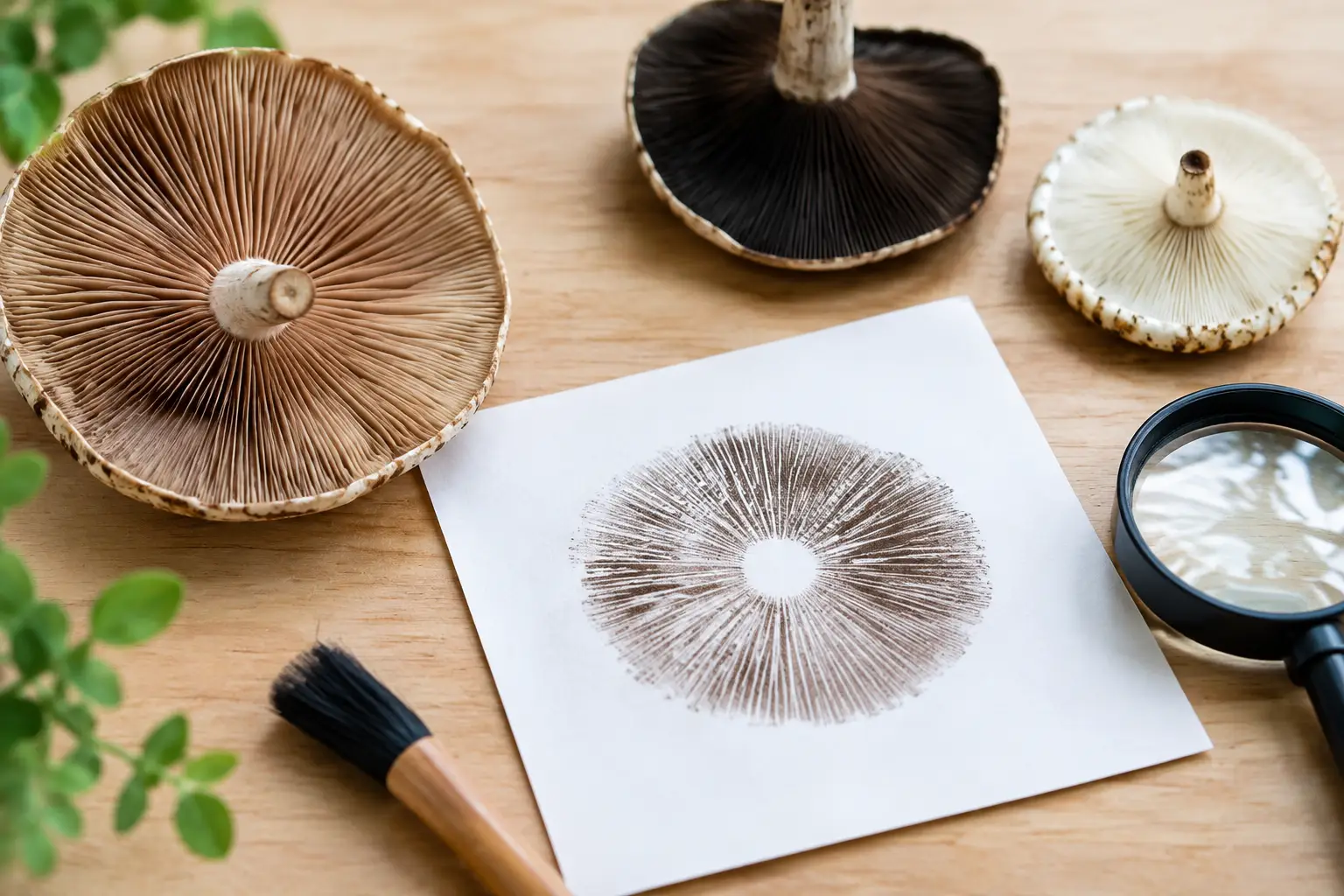
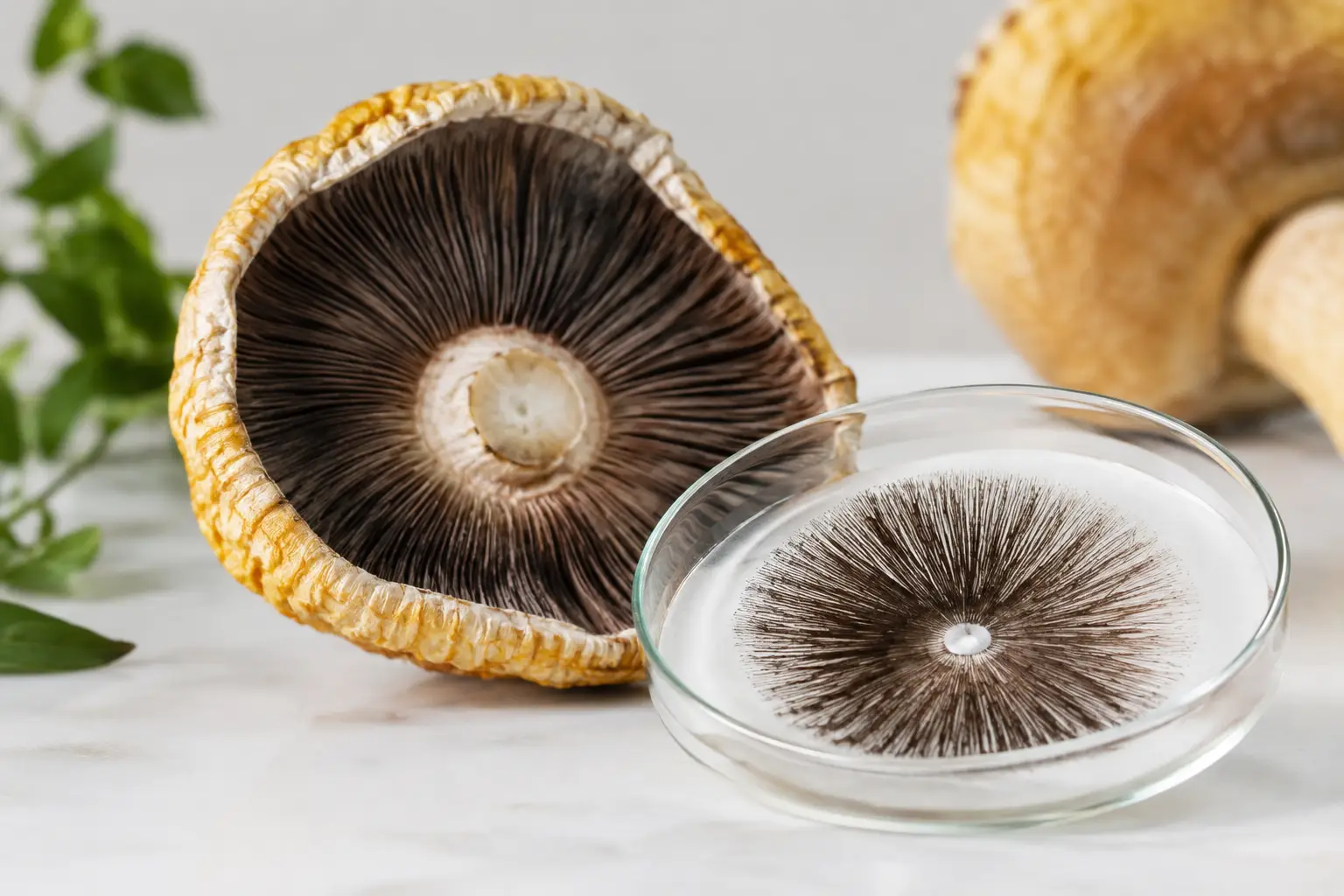
A spore print can turn a mushroom cap into a useful field note. Learning how to read spore print color and pattern gives you a stronger starting point for sorting finds, comparing specimens, and building better microscopy records. It is not a shortcut to positive identification, though. A clean print is one feature in a larger picture that includes gills or pores, stem details, bruising, habitat, season, odor, and microscopic traits.

For collectors and cultivation-minded enthusiasts, the value is in the details. A print that looks simply brown under warm kitchen lighting may reveal a rusty brown, chocolate brown, or purple-brown deposit on white paper. Those distinctions can narrow a group quickly – provided the print was made carefully and read under the right conditions.

Start With a Clean, Full Spore Print

Before you can interpret a print, make sure it is worth interpreting. Choose a mature, fresh cap with intact gills, pores, or teeth. Very young mushrooms may not have released spores yet, while overmature specimens can be wet, decayed, contaminated, or already shedding spores unevenly.

Remove the stem with a clean blade and place the cap spore-bearing side down. Half white paper and half black paper is a classic setup because pale deposits show better on dark paper and dark deposits show better on white. A glass slide, foil, or clean nonporous card can also work, especially when you want to preserve a sample for microscopy.

Cover the cap with a cup or bowl to reduce drafts and keep the surface from drying too fast. Leave it for several hours or overnight. Humidity, cap maturity, and species all affect timing. A cap that produces almost nothing after a full night may be immature, too dry, or simply a low spore producer.

When you lift the cap, avoid smearing the deposit. The first look should tell you whether the print is dense and even, faint but usable, or compromised by moisture and debris.

How to Read a Spore Print Color

Color is the first trait most people notice, and it is genuinely useful when observed with care. Read the densest central portion of the print first. Thin outer edges often appear lighter than the true deposit, particularly when spores are sparse.

Use neutral daylight or a daylight-balanced lamp. Yellow indoor bulbs can push cream, pink, and brown prints toward the wrong family of colors. If possible, compare the print against both white and black backgrounds. A pale cream deposit may nearly disappear on white but stand out clearly on black, while a dark deposit can look more accurate against white.

Common color families include white to cream, pink to salmon, rusty orange to cinnamon, brown, purple-brown, black, and very dark gray. These are broad categories, not final answers. For example, brown and purple-brown can be difficult to separate without good lighting, and a heavy black print may hide subtle warm undertones.

Write down what you actually see rather than forcing a label. Notes such as pale cream, dusty salmon, rusty orange-brown, or deep purple-brown are more useful than calling every dark print black. Taking a photo beside a neutral white reference card can also make later comparison easier.

Why the Paper Color Matters

The surface beneath the spores changes your perception. White spores on white paper can look absent. Black spores on black paper can look faint or dull. This is why split-color paper is practical, but it still has limits: the seam can interrupt a small print, and glossy surfaces can create glare.

For especially light prints, use dark paper or a clear glass slide placed over a black backing. For darker prints, white index card stock offers a matte surface that makes color easier to judge. Avoid heavily textured paper, printed materials, and brightly colored cardstock, which can distort the result.

Read the Deposit Pattern, Not Just the Shade

A spore print is often more than a colored circle. Its pattern can reflect the structure under the cap. Gilled mushrooms commonly leave radiating lines, while pore-bearing mushrooms may leave a more even, powdery field. Species with teeth or ridges can create less familiar patterns that are still worth documenting.

The pattern does not identify a mushroom by itself. A blurred or incomplete print can result from a tilted cap, air movement, condensation, or a cap that dried out before depositing evenly. Still, a clear radial pattern confirms that spores were released from gills, and it can help you match the print to your observations of the specimen.

Look for density as well. A thick, opaque deposit suggests abundant spore release, while a very light trace may require longer exposure or a more mature cap. Do not mistake a wet stain for a dense print. Spores usually look dry and dust-like, whereas moisture can create translucent patches, bleeding color, and muddy edges.

Separate Real Color From Contamination

The cleanest print is made from a clean, dry specimen. Dirt, insect activity, decaying tissue, and cap moisture can all change the appearance of the deposit. If a print shows random dark flecks, fuzzy growth, or wet yellowish smears, treat it as a flawed record rather than reliable evidence.

Condensation is a common problem. When a cap is covered in a humid room, droplets may form inside the cover and fall onto the print. The result can look like unusually vivid color, but the spores have actually been dissolved or spread across the surface. Use a cover with enough space above the cap, and check that the mushroom is not dripping wet before setting it down.

Cross-contamination matters too. Do not make several prints on the same sheet without clear separation. Spores travel easily on air currents, fingers, and tools. Label each print immediately with the date, location or source, cap description, and any observations about the underside. A mystery print without a specimen note loses much of its value.

Use the Print to Narrow, Never Confirm Alone

Spore print color is best used as a filter. If your field notes suggest several possible groups, the print can rule out options that have a completely different spore color. It becomes even more useful when paired with a careful look at attachment of the gills, presence or absence of a ring, stem base features, cap surface, and where the mushroom was growing.

There are important exceptions. Color can vary with lighting, maturity, and print thickness. Closely related mushrooms may share the same general print color, and unrelated mushrooms can overlap as well. A white print, for instance, describes a broad range of mushrooms with very different characteristics.

For this reason, never use a spore print as the only basis for deciding whether a wild mushroom is edible. Identification should rely on multiple verified traits and, when needed, local expert confirmation. If there is uncertainty, keep the specimen for study rather than making a consumption decision.

Take the Next Step With Microscopy

Once you have a print, microscopy can reveal traits that color cannot. Spore shape, size, wall thickness, surface texture, and reaction to staining methods can help separate look-alikes that share similar caps and print colors. This is where a well-preserved print becomes more than a quick observation.

For a slide sample, transfer only a tiny amount of spores with a sterile needle or fine tool. A heavy pile is harder to view than a thin, even scatter. Keep notes on magnification, measurements, and what you observe. Over time, these records create a personal reference library that is far more useful than relying on memory or photos alone.

If you are working with prints for research, collecting, or microscopy practice, handle them gently and store them dry. Foil is a popular storage surface because it folds neatly and can be kept in a labeled bag or envelope. Paper works well for visual records, but loose spores can rub off during handling.

A Simple Record Makes Every Print More Useful

A good spore print record connects the deposit to the mushroom that produced it. Include the date, general location or growing medium, cap diameter, underside type, observed print color, and a photo of the fresh specimen if you have one. Add notes about weather and maturity when relevant.

This habit is especially helpful when you compare multiple specimens that seem similar at first glance. A collection of labeled prints quickly shows which traits stay consistent and which change with age or conditions. That is the kind of practical pattern recognition that makes mycology more rewarding.

Myceli Nation is built for enthusiasts who want to keep learning, comparing, and refining their technique across the wider mycelium network. Treat every print as one useful clue, make clean records, and let careful observation lead the next question.

Posted on

Worldwide Mushroom Spore Shipping, Explained

Worldwide Mushroom Spore Shipping, Explained

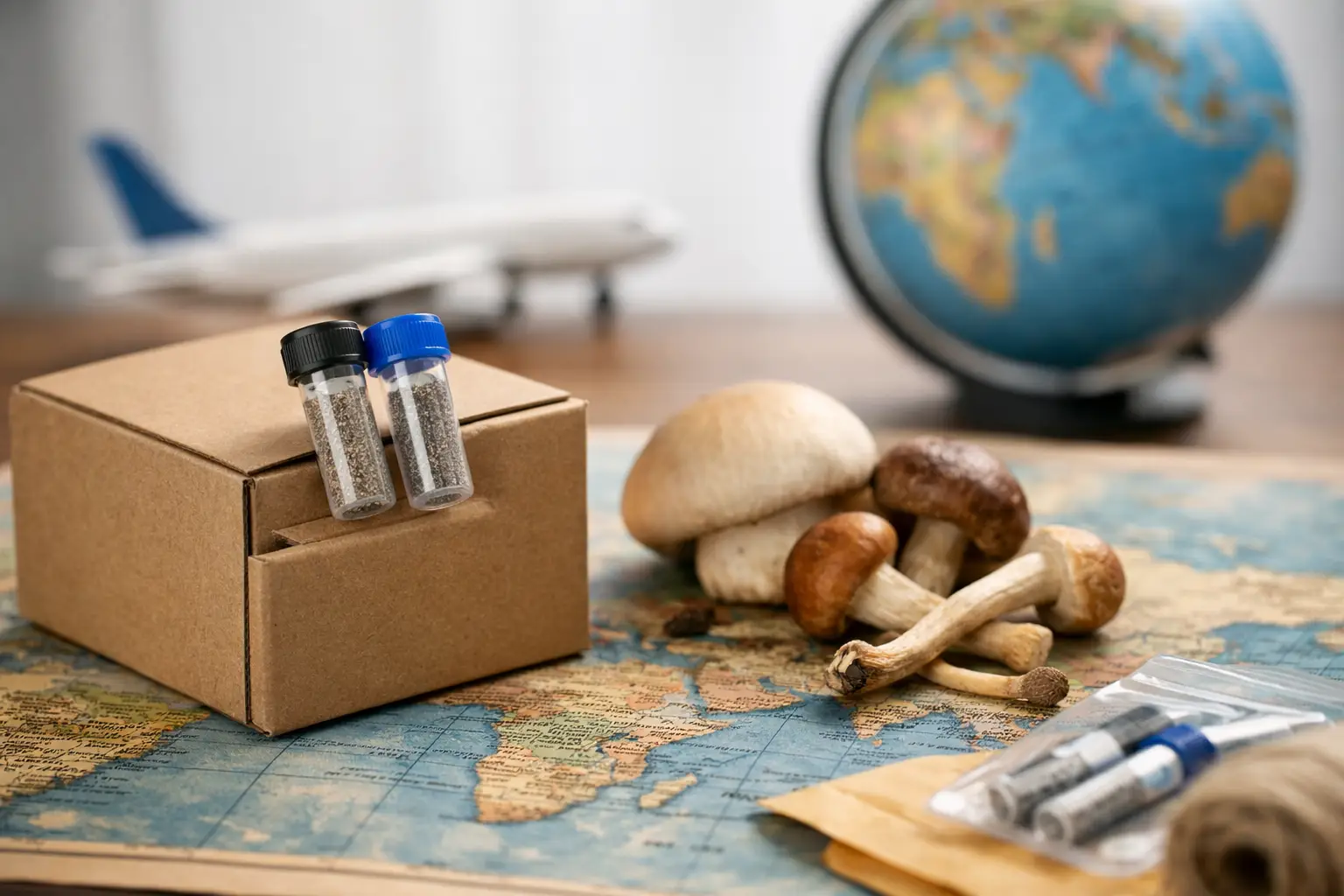
A great spore selection means very little if it cannot make it through the mail correctly. Worldwide mushroom spore shipping is not simply a matter of choosing a strain, adding it to cart, and waiting for delivery. Destination rules, carrier service, product format, weather, customs processing, and accurate address details all influence what a smooth international order looks like.

For collectors, microscopy-focused buyers, and edible mushroom enthusiasts, the smart move is to understand the shipping side before checkout. That protects your order, sets realistic expectations, and helps you choose the format that makes the most sense for your location and project.

What Worldwide Mushroom Spore Shipping Involves

International orders move through more hands than domestic ones. A package may pass from the originating postal network to an export facility, customs authorities, an inbound carrier, and finally a local delivery service. Each handoff can add time, and some regions experience longer processing periods than others.

The first consideration is always destination eligibility. Rules governing spores, cultures, biological materials, agricultural goods, and imported fungi vary by country, state, province, and territory. An item that is available for delivery in one place may be restricted, require additional documentation, or be unavailable in another. Buyers are responsible for knowing the rules that apply where they live before placing an order.

This is not just a checkout detail. It is part of responsible collecting and cultivation. A reliable specialty shop can organize its catalog clearly and ship with care, but it cannot override local import restrictions or customs decisions.

Destination Rules Come First

Before comparing shipping speeds, check whether the product format is appropriate for your destination. Spore prints, spore syringes, liquid cultures, agar products, and ready-to-inoculate items are not treated identically by every jurisdiction. Some locations may permit one format while placing tighter controls on another.

It also matters whether you are ordering for microscopy, collection, research, or edible cultivation. The intended use does not replace local regulations, but it should guide your product choice. If a destination has strict agricultural controls, a dry print may be easier to evaluate than a live culture, while an edible culture may be the practical choice for a permitted gourmet project. It depends on both local rules and what you actually intend to work with.

When in doubt, verify current import requirements through the relevant local authority before ordering. Regulations change, and old forum posts are not a substitute for current guidance.

Choosing the Right Product Format for Shipping

The format you select affects transit resilience, handling, and the type of experience you will have after delivery. There is no universal best option. The right pick depends on your project, your level of experience, and the distance the package needs to travel.

Spore prints are compact, low-profile, and often well suited to collectors and microscopy users. They take up very little space and do not introduce the same leak concerns as liquid products. For buyers who value long-term storage potential and a broad strain library, prints can be a practical addition to the collection.

Spore syringes offer convenience for buyers who prefer a prepared liquid format. They are popular because they reduce preparation steps, but they require thoughtful packaging to prevent damage or leakage during transit. Temperature extremes can also be more relevant with liquid-based items, especially when shipping routes are long or seasonal weather is severe.

Edible cultures and ready-to-inoculate products are often chosen for hands-on gourmet cultivation. These products can be especially time-sensitive compared with dry materials. If you are ordering a live product internationally, plan for the possibility of customs delays and choose a shipping method that provides tracking whenever available.

For large orders, mixed-format bundles can be a good way to build out a collection or cultivation shelf. Just remember that combining several formats does not eliminate destination restrictions. Every item in the package should be suitable for import to your delivery address.

Packaging, Discretion, and Product Protection

A quality shipment starts with packaging designed for the material inside. Prints need protection from bends, moisture, and crushing. Syringes need secure containment and cushioning. Culture products need stable packing that limits movement while helping protect them from ordinary shipping stress.

Discreet, professional packaging benefits everyone. It helps prevent unnecessary attention during transit, keeps the order organized, and reduces the chance of accidental damage. Clear internal labeling also helps buyers identify what they received without turning unpacking into a guessing game.

Weather is the variable no one controls. Extreme summer heat, winter cold, and delayed regional delivery can affect some formats more than others. If your area is facing a major weather event, postal disruption, or holiday backlog, waiting for a more stable shipping window may be the better call. A few extra days before dispatch can be preferable to a package sitting in an unpredictable transit loop.

Tracking Is Useful, But It Is Not a Customs Shortcut

Tracked shipping is usually the best choice for international orders because it gives both buyer and seller a clearer view of the package journey. Tracking can show acceptance, export movement, arrival in the destination country, customs processing, and final delivery attempts.

Still, tracking does not guarantee a fixed delivery date. Once an order enters customs, the carrier may have limited control over timing. A scan may remain unchanged while a package is being reviewed, transferred between facilities, or awaiting the next local update. That can be frustrating, but it is common with cross-border shipments.

Use tracking as an information tool, not a countdown clock. Check it periodically rather than refreshing it every hour, and make sure your delivery address, postal code, apartment number, and contact details are complete before placing the order. Address errors are among the most avoidable reasons an international shipment gets delayed or returned.

What to Do If a Package Is Delayed

First, read the latest tracking status closely. “In transit” can mean movement between facilities, while “held,” “awaiting clearance,” or a local delivery exception may point to a specific next step. If the carrier requests information or payment of applicable duties, respond through the carrier’s official channel promptly.

Avoid assuming a parcel is lost just because tracking pauses. International scans can lag, particularly after a package reaches the destination country. If there has been no meaningful movement beyond a reasonable transit window, contact the seller with your order number and the current tracking details. Keep the message specific and factual so the support team can assess the shipment quickly.

Customs, Duties, and Buyer Responsibilities

Customs authorities make the final call on items entering their jurisdiction. A seller can prepare an order accurately, but cannot guarantee admission, release speed, or a waiver of taxes and duties. Buyers should expect that cross-border purchases may involve fees set by their own country.

Do not ask a seller to misstate contents, alter values, or bypass documentation requirements. That can create bigger problems for the order and may jeopardize future shipments. Accurate paperwork is the better long-term approach for a healthy mycology community and a dependable international marketplace.

The same goes for local compliance. Specialty genetics, spore products, cultures, and cultivation supplies deserve thoughtful sourcing. Know what you can receive, know what you can possess, and choose products that align with the rules where you live.

Ordering Smarter From The Mycelium Network

A well-planned order is easier to pack, easier to track, and less likely to create surprises. Start by selecting products that fit your destination and intended use. Then choose the shipping option that balances cost with visibility, especially if your order includes live or liquid formats.

Before you submit payment, review your cart one more time. Confirm your exact address, use a deliverable location where someone can receive the package, and avoid ordering immediately before travel. If you are building a collection, consider whether a larger order makes sense for your budget and destination rules rather than placing several small international shipments.

Myceli Nation is built for enthusiasts who want a wider mycology catalog without hopping between scattered suppliers. Whether you are browsing fan-favorite spore varieties, adding prints to a microscopy collection, or stocking up on edible cultures and supplies, shipping awareness belongs in the same decision as product selection.

International ordering works best when buyers treat it as a shared process: the seller packs responsibly, the carrier moves the parcel, customs applies local rules, and the buyer orders with accurate information and realistic expectations. Take those few minutes before checkout, and your next shipment has a far better chance of arriving as planned.

Posted on

Spore Swab Comparison for Serious Collectors

Spore Swab Comparison for Serious Collectors

A spore swab comparison is most useful when you look past the label and ask a simpler question: what do you actually want to collect, examine, or keep on hand? Swabs, prints, syringes, and ready-to-inoculate options may all appear in the same shop, but they serve different preferences around storage, presentation, handling, and intended use. Choosing the right format makes your collection easier to manage from the start.

For collectors and microscopy-focused buyers, a swab offers a compact, low-profile format with a strong practical appeal. For shoppers who want a visible sample, a print can feel more traditional and display-worthy. For others, convenience may point them toward a prepared format. The best choice depends on your priorities, not a one-size-fits-all hierarchy.

Spore Swab Comparison: Where Swabs Fit

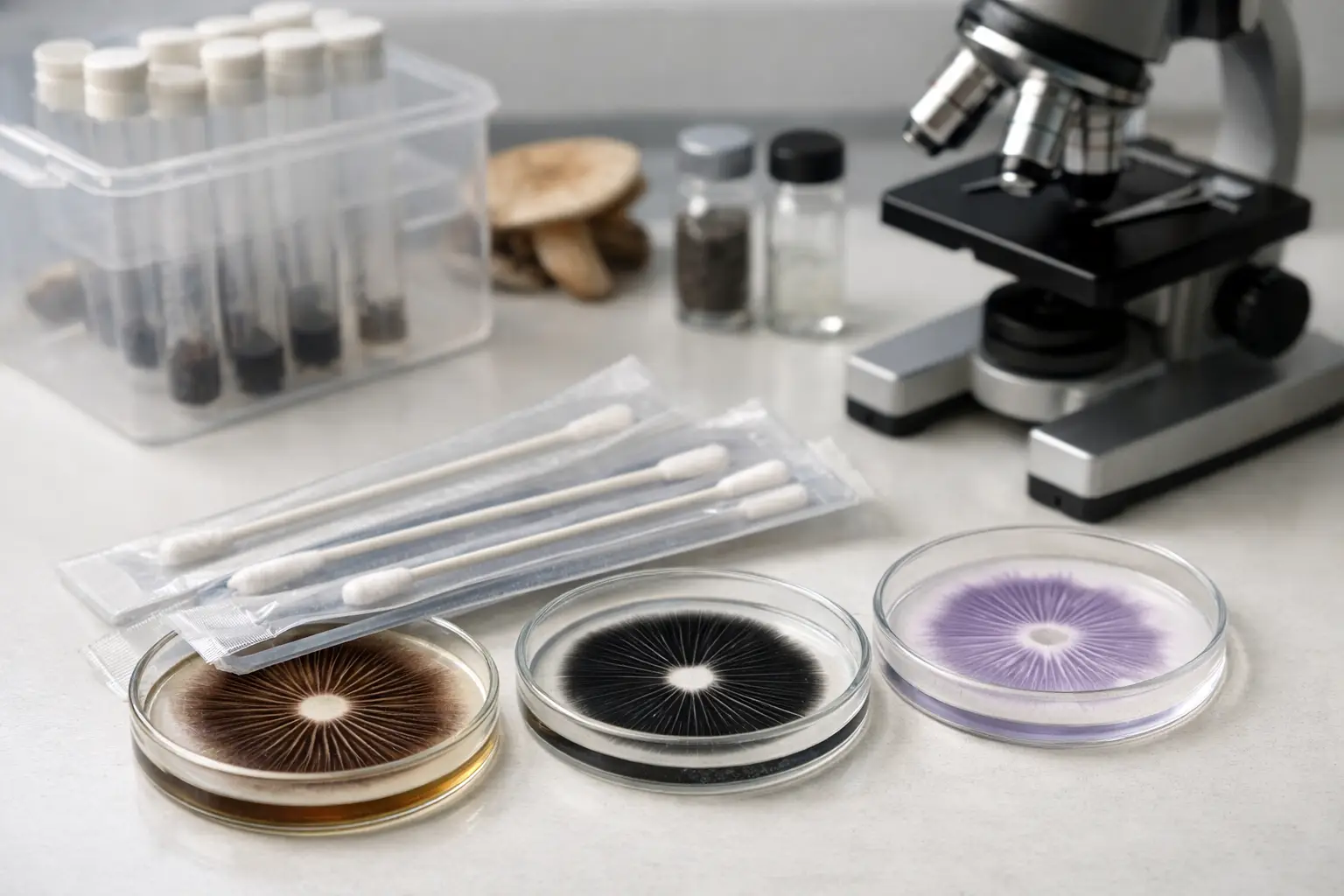
A spore swab is typically a sterile cotton-tipped applicator carrying a spore sample. It is usually packaged in a way that keeps the format compact, discreet, and easy to store alongside other labeled samples. Compared with a print, a swab does not offer the same immediate visual reference. You cannot simply glance at it and see the pattern, density, or character of the deposited spores.

That trade-off is exactly why some collectors prefer swabs. A swab takes up very little room, travels well when properly packaged, and can be organized by strain, date, source, or collection category without requiring a binder full of larger foil packets. If your cabinet already holds a growing assortment of genetics, compact storage is a real advantage.

Swabs can also make sense for buyers building a broad strain library. When the goal is variety, it is often more practical to keep a neatly labeled lineup of individual swabs than to manage larger physical prints. This is particularly relevant for enthusiasts comparing fan favorites such as Golden Teacher, B+, Blue Meanie, and Lizard King alongside less common selections.

Still, a swab is not automatically better because it is smaller. Its minimal presentation means it can feel less satisfying for collectors who value the visual, archival side of mycology. If the sample itself is part of what you want to admire, document, or showcase, a print may be the stronger match.

Swabs vs. Prints vs. Syringes

The major formats differ less in basic value than in how they fit into a buyer’s routine. A print is a classic collector format, usually valued for its visible spore deposit and familiar place in mycology culture. It gives buyers a tangible artifact that can be labeled, preserved, and visually inspected without opening anything.

A swab is more compact and purpose-focused. Rather than presenting spores as a visible imprint, it stores the sample on an applicator. This makes it an attractive option for buyers who prioritize simple organization, smaller packaging, or a collection that can grow without demanding much shelf space.

Spore syringes are a different category altogether. Their appeal is convenience and product readiness, not archival presentation. They often suit buyers who prefer a prepared liquid format and do not need the collectible visual qualities of a print. Because they are liquid-based, they also call for more attention to storage guidance, transit conditions, and product-specific handling instructions.

Ready-to-inoculate products and edible cultures sit in their own lane. They are selected for buyers seeking a more direct, prepared experience with species intended for culinary cultivation. Comparing these products to swabs is useful only if you are deciding between a long-term collection format and a product chosen for a specific project.

| Format | Best fit | Main advantage | Main trade-off | | — | — | — | — | | Spore swab | Compact collections and microscopy | Small, organized, easy to store | No visible spore display | | Spore print | Traditional collectors and visual documentation | Tangible, display-worthy format | Takes up more space | | Spore syringe | Buyers who prefer a prepared liquid format | Convenient product format | Less suited to archival collecting | | Edible culture | Culinary mushroom projects | Species-specific and practical | Not a substitute for a spore collection |

A Spore Swab Comparison by Buying Priority

If storage is your first concern, swabs deserve a close look. A clearly labeled swab collection can be filed in compact sleeves, containers, or other dry storage solutions without creating much clutter. Prints also store well, but their larger packaging can become harder to organize as your selection expands.

If visual collecting is the priority, prints have the edge. Every print has a physical presence that a swab intentionally does not. Many collectors enjoy comparing print shapes, tones, and deposition patterns as part of the hobby. A swab is more like a well-organized reference item: useful, compact, and less ornamental.

If you are shopping for strain variety, either format can work. The deciding factor is whether you want to acquire more formats in less space or build a collection with visual character. Bundles can be especially useful here because they let buyers compare several selections at once while keeping purchasing simple.

If discretion matters, swabs are often the more understated option. Their packaging is generally modest and their footprint is minimal. That does not eliminate the need for responsible storage, though. Keep every sample clearly labeled, protected from excess heat, humidity, and direct light, and separated from items that could damage the packaging.

What to Check Before You Choose a Swab

Product details matter more than dramatic claims. Start with the strain or species listing, the format being offered, the number of swabs included, and the packaging description. A single swab may suit a focused collector, while a multi-pack may make more sense for someone building a broader catalog.

Next, consider labeling. Good collection habits begin before an item reaches your door. You should be able to identify what the sample is, where it came from, and when you added it to your collection. If you are comparing several similar varieties, consistent labels prevent mix-ups later.

Finally, choose a seller that makes category browsing straightforward. A dedicated shop should help you distinguish prints, swabs, syringes, edible cultures, and supply options without making you guess what each listing contains. At Myceli Nation, that kind of category clarity is part of making The Mycelium Network useful for both first-time buyers and longtime collectors.

The Right Format Is the One You Will Keep Organized

There is no universal winner in a spore swab comparison. Swabs are excellent when compact storage, clean organization, and collection breadth matter most. Prints are hard to beat when the visual and traditional side of collecting matters just as much as the sample itself. Prepared formats may be more appropriate when your needs are project-specific rather than archival.

Before adding another item to your cart, think about where it will live after arrival and what role it will play in your collection. A format that fits your storage habits, local requirements, and personal interests will always be more useful than the one that simply looks most popular on a product page.

Posted on

Spore Swab Comparison for Serious Collectors

Spore Swab Comparison for Serious Collectors

A spore swab comparison is most useful when you look past the label and ask a simpler question: what do you actually want to collect, examine, or keep on hand? Swabs, prints, syringes, and ready-to-inoculate options may all appear in the same shop, but they serve different preferences around storage, presentation, handling, and intended use. Choosing the right format makes your collection easier to manage from the start.

For collectors and microscopy-focused buyers, a swab offers a compact, low-profile format with a strong practical appeal. For shoppers who want a visible sample, a print can feel more traditional and display-worthy. For others, convenience may point them toward a prepared format. The best choice depends on your priorities, not a one-size-fits-all hierarchy.

Spore Swab Comparison: Where Swabs Fit

A spore swab is typically a sterile cotton-tipped applicator carrying a spore sample. It is usually packaged in a way that keeps the format compact, discreet, and easy to store alongside other labeled samples. Compared with a print, a swab does not offer the same immediate visual reference. You cannot simply glance at it and see the pattern, density, or character of the deposited spores.

That trade-off is exactly why some collectors prefer swabs. A swab takes up very little room, travels well when properly packaged, and can be organized by strain, date, source, or collection category without requiring a binder full of larger foil packets. If your cabinet already holds a growing assortment of genetics, compact storage is a real advantage.

Swabs can also make sense for buyers building a broad strain library. When the goal is variety, it is often more practical to keep a neatly labeled lineup of individual swabs than to manage larger physical prints. This is particularly relevant for enthusiasts comparing fan favorites such as Golden Teacher, B+, Blue Meanie, and Lizard King alongside less common selections.

Still, a swab is not automatically better because it is smaller. Its minimal presentation means it can feel less satisfying for collectors who value the visual, archival side of mycology. If the sample itself is part of what you want to admire, document, or showcase, a print may be the stronger match.

Swabs vs. Prints vs. Syringes

The major formats differ less in basic value than in how they fit into a buyer’s routine. A print is a classic collector format, usually valued for its visible spore deposit and familiar place in mycology culture. It gives buyers a tangible artifact that can be labeled, preserved, and visually inspected without opening anything.

A swab is more compact and purpose-focused. Rather than presenting spores as a visible imprint, it stores the sample on an applicator. This makes it an attractive option for buyers who prioritize simple organization, smaller packaging, or a collection that can grow without demanding much shelf space.

Spore syringes are a different category altogether. Their appeal is convenience and product readiness, not archival presentation. They often suit buyers who prefer a prepared liquid format and do not need the collectible visual qualities of a print. Because they are liquid-based, they also call for more attention to storage guidance, transit conditions, and product-specific handling instructions.

Ready-to-inoculate products and edible cultures sit in their own lane. They are selected for buyers seeking a more direct, prepared experience with species intended for culinary cultivation. Comparing these products to swabs is useful only if you are deciding between a long-term collection format and a product chosen for a specific project.

| Format | Best fit | Main advantage | Main trade-off | | — | — | — | — | | Spore swab | Compact collections and microscopy | Small, organized, easy to store | No visible spore display | | Spore print | Traditional collectors and visual documentation | Tangible, display-worthy format | Takes up more space | | Spore syringe | Buyers who prefer a prepared liquid format | Convenient product format | Less suited to archival collecting | | Edible culture | Culinary mushroom projects | Species-specific and practical | Not a substitute for a spore collection |

A Spore Swab Comparison by Buying Priority

If storage is your first concern, swabs deserve a close look. A clearly labeled swab collection can be filed in compact sleeves, containers, or other dry storage solutions without creating much clutter. Prints also store well, but their larger packaging can become harder to organize as your selection expands.

If visual collecting is the priority, prints have the edge. Every print has a physical presence that a swab intentionally does not. Many collectors enjoy comparing print shapes, tones, and deposition patterns as part of the hobby. A swab is more like a well-organized reference item: useful, compact, and less ornamental.

If you are shopping for strain variety, either format can work. The deciding factor is whether you want to acquire more formats in less space or build a collection with visual character. Bundles can be especially useful here because they let buyers compare several selections at once while keeping purchasing simple.

If discretion matters, swabs are often the more understated option. Their packaging is generally modest and their footprint is minimal. That does not eliminate the need for responsible storage, though. Keep every sample clearly labeled, protected from excess heat, humidity, and direct light, and separated from items that could damage the packaging.

What to Check Before You Choose a Swab

Product details matter more than dramatic claims. Start with the strain or species listing, the format being offered, the number of swabs included, and the packaging description. A single swab may suit a focused collector, while a multi-pack may make more sense for someone building a broader catalog.

Next, consider labeling. Good collection habits begin before an item reaches your door. You should be able to identify what the sample is, where it came from, and when you added it to your collection. If you are comparing several similar varieties, consistent labels prevent mix-ups later.

Finally, choose a seller that makes category browsing straightforward. A dedicated shop should help you distinguish prints, swabs, syringes, edible cultures, and supply options without making you guess what each listing contains. At Myceli Nation, that kind of category clarity is part of making The Mycelium Network useful for both first-time buyers and longtime collectors.

The Right Format Is the One You Will Keep Organized

There is no universal winner in a spore swab comparison. Swabs are excellent when compact storage, clean organization, and collection breadth matter most. Prints are hard to beat when the visual and traditional side of collecting matters just as much as the sample itself. Prepared formats may be more appropriate when your needs are project-specific rather than archival.

Before adding another item to your cart, think about where it will live after arrival and what role it will play in your collection. A format that fits your storage habits, local requirements, and personal interests will always be more useful than the one that simply looks most popular on a product page.

Posted on

Substrate Selection Guide for Better Mushroom Grows

Substrate Selection Guide for Better Mushroom Grows

A great culture can only express what its growing medium allows. If colonization stalls, fruits come in small, or contamination keeps winning, the issue is often not the genetics or inoculation technique. It is the substrate. This substrate selection guide helps you choose a medium that fits the species you are growing, the format you are using, and the level of hands-on work your setup can support.

Substrate is not just a place for mycelium to sit. It is the food source, water reserve, and physical structure behind the grow. Getting it right means looking beyond what is cheap or easy to find and matching the material to what the species naturally prefers.

Start With What the Species Eats

The most useful question is simple: what does this mushroom grow from in nature? Wood-loving species tend to perform best on hardwood-based substrates. Straw-loving species are more at home on agricultural fibers. Species that thrive in nutrient-rich soil and compost generally need richer blends than plain sawdust can provide.

Oyster mushrooms are famously flexible and can run on hardwood pellets, straw, soybean hull blends, and several agricultural byproducts. That flexibility makes them a strong option for growers testing new materials. Lion’s mane and shiitake are more particular. They generally reward growers who use hardwood-forward formulations with enough structure for a long, steady colonization cycle.

Button-style mushrooms and other compost-oriented varieties are a different category. They rely on a properly prepared, nutrient-dense compost substrate and often a casing layer to create the right fruiting environment. Trying to force every species onto the same all-purpose blend is one of the fastest ways to create disappointing results.

Substrate Selection Guide: Know Your Main Options

Hardwood sawdust and hardwood pellets

Hardwood is the go-to base for many gourmet and medicinal species. It provides lignin and cellulose that wood-loving mycelium is built to break down. Sawdust offers a fine, even texture, while hardwood pellets are compact, clean, easy to store, and expand into hydrated sawdust when water is added.

Pellets are especially practical for bag cultivation. Choose untreated hardwood pellets with no fuel additives, binders, or fragrance. Oak, maple, beech, and other hardwoods are generally reliable choices. Softwood-heavy products can work for certain species, but the resins and different nutrient profile make them less universal.

The trade-off is preparation. Hardwood-based supplemented substrates usually need sterilization, especially when they include added nutrition. Plain hardwood materials can sometimes be pasteurized depending on the species and process, but supplementation raises the contamination stakes.

Straw

Straw is inexpensive, widely available, and an excellent match for aggressive species that colonize quickly. Wheat straw is common, though oat and rye straw can also be used. It holds air well when chopped and hydrated correctly, which supports fast mycelial movement through the substrate.

Straw is not the same as hay. Hay contains more seeds and nutrient-rich plant matter, making it far more contamination-prone. Clean, dry straw with a fresh smell is what you want.

Pasteurization is usually the practical route for straw. It reduces competing organisms without making the material completely sterile. That is a feature, not a flaw, when working with vigorous species that can establish themselves quickly. Straw can dry out faster than dense sawdust blends, so field capacity deserves attention throughout the process.

Manure-based and compost-based blends

Nutrient-rich blends have their place, but they are less forgiving than hardwood or straw. Properly aged manure, compost, coco coir, and gypsum may be combined for species that prefer richer substrates. The quality of the source material and the preparation method matter as much as the recipe itself.

These blends require careful hydration and clean handling. Overly wet material becomes dense and oxygen-poor. Under-prepared material can carry a high contamination load. If you are new to bulk substrate work, start with a proven recipe and a manageable batch size rather than improvising with multiple additives at once.

Masters’ mix and other supplemented blends

A common high-performance option for wood-loving gourmet mushrooms is a hardwood and soybean hull blend, often called Masters’ mix. The added soybean hulls increase available nutrition and can produce larger yields than unsupplemented hardwood alone.

That output comes with a condition: rich substrate attracts competitors. A supplemented bag needs dependable sterilization, clean inoculation practices, and appropriate spawn rates. It is a strong option when your process is dialed in, not necessarily the first choice when you are still learning moisture control and sterile workflow.

Match the Substrate to Your Grow Format

Your container matters as much as the material. A filter-patch bag filled with supplemented hardwood behaves differently from a straw bucket or a monotub filled with a bulk blend.

For all-in-one bags and grain-to-bulk projects, a hydrated, properly prepared bulk substrate with even texture is easier to mix and colonize. For fruiting blocks, hardwood pellets and supplemented sawdust create a dense, stable block that holds moisture well. For bucket grows, chopped pasteurized straw remains one of the most accessible formats because it is simple to layer, compact, and fruit from side openings.

Ready-to-inoculate products simplify the preparation stage for growers who want to focus on culture selection, clean inoculation, and fruiting conditions. They are also useful for comparing how different cultures perform on the same substrate without changing several variables at once.

Moisture Is the Make-or-Break Variable

Even a perfect substrate recipe fails if its water content is off. Mycelium needs moisture, but it also needs oxygen. A soaked, muddy substrate compacts and creates conditions where bacterial issues can take hold. A dry substrate colonizes slowly and may not have enough water stored for a strong flush.

The classic field-capacity test is still useful. Squeeze a handful of hydrated substrate firmly. It should feel thoroughly moist and release only a few drops, not stream water. This is not a laboratory measurement, but it gives home growers a repeatable reference point.

Different materials hold water differently. Fine sawdust retains moisture efficiently but can compact if packed too tightly. Straw creates more air space but may need more frequent attention. Coco coir expands substantially when hydrated, so measure your water carefully before mixing in supplements or other materials.

Preparation Method Should Follow Nutrition Level

Pasteurization and sterilization are not interchangeable terms. Pasteurization reduces the microbial load and is commonly used for straw and certain lower-nutrient bulk materials. Sterilization removes a much broader range of organisms and is generally required for supplemented sawdust, grain, and other nutrient-dense media.

The more food you add, the cleaner your process needs to be. That is the central trade-off. A plain hardwood substrate may colonize more slowly but offers fewer easy nutrients to molds and bacteria. A heavily supplemented blend can deliver impressive yields, but only if your sterilization and inoculation practices are consistent.

Avoid treating cleanliness as an afterthought. Use clean containers, inspect raw materials before hydration, and do not assume a good culture can overcome a poorly prepared substrate. Mycelium is competitive, but it is not magic.

Choose for Your Actual Setup, Not an Ideal One

The best substrate is the one you can prepare correctly and repeat reliably. A grower with a pressure sterilizer, filter bags, and a clean inoculation area can make excellent use of supplemented hardwood blocks. A grower with limited equipment may get more dependable results from pasteurized straw and a fast-colonizing edible species.

Consider storage and sourcing too. Hardwood pellets are compact and available year-round in many areas. Straw can be economical but bulky. Compost-based ingredients can vary dramatically by supplier and may bring inconsistency into every batch. Buying a cheap substrate that performs differently each time is rarely a bargain.

If you are choosing between two materials, run a small side-by-side trial. Use the same culture, inoculation rate, container type, and fruiting conditions. Track colonization speed, contamination, pinset, yield, and how much effort each option required. That data is more useful than a one-size-fits-all recommendation.

Myceli Nation is built for growers who like having options, but more choices only help when each one has a purpose. Start with the species, select a substrate that suits its natural appetite, then choose the preparation level your workflow can handle. A repeatable grow built on the right medium will teach you far more than chasing the most complicated recipe.

Posted on

Mushroom Spores: Prints, Syringes, and Swabs

Mushroom Spores: Prints, Syringes, and Swabs

A dark spore print on foil, a labeled syringe in a sterile bag, or a clean swab pack may look like small additions to a mycology setup. But mushroom spores are where identification, microscopy, collecting, and many culture projects begin. The format you choose affects how you store it, observe it, and fit it into the rest of your workflow.

For collectors and hobbyists, the goal is not simply to grab the first listing with a familiar name. It is to match the format to the project, check how the product was prepared and packaged, and keep expectations realistic. A print, syringe, and swab each offer a different kind of flexibility.

What Are Mushroom Spores?

Spores are microscopic reproductive cells produced by fungi. They are the fungal equivalent of a starting point, carrying genetic material that can be examined, preserved, or used in appropriate culture work. A mature mushroom releases an enormous number of spores, though only a small fraction would ever encounter the conditions needed to continue naturally.

That is part of what makes spores so compelling to mycology enthusiasts. They are compact, varied, and biologically complex. Under a microscope, details such as color, shape, size, and surface texture can help support identification. For collectors, a well-made print is also a physical record of a specimen and its spore deposit.

Spores are not the same as live culture. A culture typically contains established fungal growth, while spores must first germinate before they develop further. This distinction matters when you are comparing products. If you want a ready-to-work edible option, culture products may suit the project better. If you value microscopy, collecting, or genetic variety, spores are often the more natural choice.

Mushroom Spores Come in Several Formats

The best format depends on what you want to observe, store, or work with. There is no universal winner. The right choice comes down to handling preference, equipment, and intended use.

Spore Prints

A spore print is a visible deposit of spores collected from a mushroom cap, usually on foil or another clean surface. It is one of the most recognizable formats in the mycology world, and it has lasting appeal for both collectors and microscopy-focused buyers.

Prints are compact and easy to catalog. Many enthusiasts appreciate being able to inspect the color and density of the deposit directly before preparing a slide. They also make sense for anyone building a physical collection organized by variety, date, source, or region.

The trade-off is handling. A print requires careful, clean technique whenever material is transferred for observation or other lawful work. It is less immediately convenient than a prepared syringe, but that extra hands-on step is exactly what some hobbyists enjoy.

Spore Syringes

A spore syringe suspends spores in sterile water inside a sealed syringe. For buyers who prefer a ready-to-use format for microscopy preparation or appropriate culture applications, the convenience is obvious. It can be easier to dispense a small, controlled amount of liquid than to work from a dry print.

A quality syringe should be clearly labeled and packaged with care. Look for practical details: the variety name, volume, a secure cap, and packaging that helps protect the product during transit. Once received, inspect the package before opening it and follow any product-specific storage guidance.

Syringes are popular because they reduce preparation time, but they are not automatically better than prints. A collector may prefer the permanence of foil prints. A microscopy hobbyist who wants repeatable slide preparation may prefer a syringe. Both belong in a well-rounded mycology supply lineup.

Spore Swabs

Swabs place spores on the tip of a sterile applicator. They are a clean, minimal format often chosen for close handling and compact storage. Compared with prints, swabs contain less visibly obvious material, so they may feel less satisfying to collectors who want a displayable specimen. Still, they can be highly practical for specific microscopy and culture workflows.

Because the material is not presented as a visible deposit, clear labeling matters even more. Keep swabs in their original packaging until needed, and avoid mixing labels, sleeves, or storage containers between varieties.

Choosing the Right Format for Your Goal

Start with the question that actually matters: what do you want to do with the product? A casual collector who enjoys building a reference archive will often get more value from prints. Someone preparing microscope slides regularly may find syringes easier to portion. A hobbyist with limited storage space may appreciate the simplicity of swabs.

It also depends on your existing setup. If you already keep clean work materials, slides, labels, and basic microscopy gear on hand, each format can fit naturally into your routine. If you are starting from scratch, avoid overbuying. Choose one format, learn how it behaves in your own workspace, and build from there.

Variety selection deserves the same level of attention. Names can be useful for organizing a collection and comparing product types, but a name alone does not tell the full story. Read the listing for its format, quantity, preparation details, and intended category. A broad catalog is valuable when it helps you compare options clearly, not when it turns every purchase into guesswork.

Storage and Handling Make a Real Difference

Spores are small, but careless storage can create unnecessary problems. Keep products in a cool, dry place away from direct sunlight, excessive heat, and frequent temperature swings. Avoid leaving packages in a car, near a radiator, or on a sunny windowsill.

Labels should stay with the product from arrival through storage. If you transfer an item to a different container or organizer, label it immediately with the variety, format, and date received. This sounds basic, yet it prevents one of the most common collector mistakes: ending up with an unidentified print or syringe weeks later.

Clean handling is equally valuable. Set up a tidy work surface, use fresh materials for each observation session, and minimize exposure to household dust and open-air clutter. You do not need to turn a hobby bench into a laboratory to benefit from good habits. Consistency is more useful than complicated rituals.

How to Shop Mushroom Spores With Confidence

Online shopping makes it easier to find specialized varieties and formats without piecing together orders from scattered sellers. Still, product presentation should do the work of reducing uncertainty. Strong listings identify the format, describe what is included, and make it simple to compare individual options with bundles or category selections.

Before ordering, check the basics: whether you want a print, syringe, or swab; how many items you need; the seller’s shipping coverage; and the product’s stated purpose. If you are trying several varieties for a collection, a bundle can offer better value and keep your order organized. If you are evaluating a new format, a single item may be the smarter first move.

Myceli Nation is built around that kind of choice, with mushroom supplies organized for collectors, microscopy-focused buyers, and edible culture enthusiasts who want fewer dead ends between browsing and ordering. The best purchase is still the one that matches your own project rather than the one with the loudest name.

Build a Collection You Can Actually Use

A useful spore collection is not necessarily the biggest one. It is the one you can identify, store properly, and revisit with purpose. Keep a simple record of what you have, when it arrived, the format, and any microscopy notes that matter to you. That record becomes more valuable as your interest grows.

Mushroom spores reward patience and curiosity. Start with a format that fits your current setup, treat each item as something worth labeling and handling carefully, and leave room for your collection to develop alongside your skills.

Posted on

Spore Print vs Liquid Culture for Growers

Spore Print vs Liquid Culture for Growers

A spore print can sit neatly in a collection, travel easily, and preserve the starting point of a mushroom variety in a remarkably simple format. Liquid culture, by contrast, is built for momentum: living mycelium suspended in a nutrient solution and ready for the next stage of an edible cultivation workflow. That difference is the heart of the spore print vs liquid culture decision.

Neither format is automatically better. The right choice depends on whether you value long-term storage, microscopy, genetic exploration, quick project turnaround, or a dependable repeatable workflow. Knowing what each format does well makes it much easier to shop with purpose instead of grabbing the option that simply sounds more advanced.

What a Spore Print Brings to the Table

A spore print is a visible deposit of spores collected from a mature mushroom cap. It is one of the most traditional formats in mycology, and it remains popular because it is compact, versatile, and useful for study, collecting, and preservation.

For hobbyists interested in microscopy, prints offer a direct starting point for observing spores and comparing characteristics between varieties. They are also appealing to collectors because each print represents a distinct mushroom specimen and can be labeled, organized, and stored with minimal space.

The larger advantage is potential diversity. Spores are reproductive cells, so a print does not represent one fixed mycelial culture. When spores are studied or used in appropriate edible projects, the resulting growth can express variation. That makes prints especially interesting for enthusiasts who enjoy the discovery side of mycology rather than chasing identical outcomes every time.

A print is also a practical format for keeping a personal library. Properly handled and stored in a cool, dry, clean location, it takes up very little room. For someone building a broad collection of mushroom varieties, prints are often the easiest format to catalog over time.

The Trade-Offs With Prints

Flexibility comes with more variables. A print is not a ready-to-use living culture. It requires careful clean handling for microscopy work or for any lawful edible cultivation process, and it may require more time before a project reaches the same point as one started from an established liquid culture.

Because spores can produce varied genetics, results are less uniform. That is a feature for exploration, but it can be a drawback for growers who want consistency in a familiar edible variety. Prints also demand more attention to storage conditions and handling hygiene, since the material is exposed when opened.

What Makes Liquid Culture Different

Liquid culture contains actively growing mycelium in a sterile nutrient broth. In edible mushroom cultivation, it is valued for reducing the time needed to establish growth compared with starting from spores. Rather than beginning with reproductive material, the grower begins with a living mycelial network.

That makes liquid culture attractive for projects where speed and repeatability matter. A well-maintained culture can offer more predictable traits than a spore-based start because it is based on an existing mycelial line. For growers who have already found a favorite edible culture, that consistency can simplify planning and help them keep their process organized.

Liquid culture is also a convenient format for those who do not want to build every project from the earliest stage. It gives newer edible growers a more accessible entry point while still rewarding careful sterile technique and observation. The format is straightforward, but it is not a shortcut around good habits.

The Trade-Offs With Liquid Culture

Liquid culture is perishable compared with a dry print. Its quality depends on how it was prepared, stored, and handled throughout its life. A culture that looks active is not automatically verified as clean, which is why experienced cultivators treat quality control as part of the process rather than an optional extra.

It also offers less genetic variety. When you purchase or preserve a single culture, you are working from one established mycelial line. That is ideal when consistency is the goal, but it does not provide the same exploratory potential as spores from a print.

Storage is another consideration. Liquid cultures need more care, have a shorter practical shelf life, and are more sensitive to temperature swings. If you are building a long-term collection rather than planning a near-term edible project, prints may be the lower-maintenance option.

Spore Print vs Liquid Culture: The Real Comparison

The simplest way to compare these formats is to think about what you want your starting material to do. A spore print is a versatile source material with potential for microscopy, collecting, preservation, and genetic variation. Liquid culture is an active mycelial format intended for efficiency and more repeatable edible cultivation projects.

Speed is the clearest dividing line. Liquid culture generally moves a project forward sooner because mycelium is already established. A print begins at an earlier biological stage, so it calls for more patience and more room for natural variation.

Consistency is the next major factor. Liquid culture is usually the better fit when you want to work with known characteristics from a selected line. A print is a better fit when variability is part of the appeal, whether that means microscopy comparisons, building a collection, or exploring the diversity inherent in spores.

Then there is storage. Dry prints are easier to archive and take up almost no space. Liquid culture is more time-sensitive and requires closer attention. Neither is difficult in the right context, but they serve different collection habits.

Which Format Fits Your Goals?

Choose a spore print if your interest centers on microscopy, collecting, preserving a wide range of varieties, or learning more about the reproductive side of mushroom biology. Prints are also a strong option for enthusiasts who enjoy a slower, more hands-on path and understand that variation is part of the experience.

Choose liquid culture if you are focused on lawful edible mushroom projects and want a living culture that can help create a more efficient, repeatable workflow. It is especially useful when you already know the edible variety you want to work with and prefer fewer genetic unknowns.

Many serious enthusiasts keep both. Prints build the archive and support exploration. Liquid cultures support active projects. Together, they make a collection feel less like a shelf of products and more like a working mycology library.

Buying and Handling With a Clear Plan

Before selecting either format, consider how soon you plan to use it, how you will store it, and whether your interest is educational, collectible, or tied to edible cultivation. Buying a liquid culture for a project months away may not make as much sense as choosing a print for storage. On the other hand, selecting a print when you want to begin an edible project promptly can add steps you did not intend to take.

Pay attention to labeling, variety information, packaging quality, and the seller’s handling standards. For liquid cultures, clear identification and careful shipping matter because you are receiving living material. For prints, secure packaging and proper labeling help keep a collection organized from the start.

At Myceli Nation, the goal is to make those choices easier by giving mushroom enthusiasts access to a broad range of formats, from collectible prints to edible cultures and cultivation essentials. The best purchase is not necessarily the most popular one. It is the one that matches your next move.

A well-chosen format keeps the hobby enjoyable: pick prints when curiosity and preservation lead the way, and choose liquid culture when your edible workflow calls for an established living start. Always handle mushroom materials responsibly and follow the laws that apply where you live.

Posted on

Mushroom Bundles Versus Singles: Buy Smarter

Mushroom Bundles Versus Singles: Buy Smarter

A three-pack can look like an obvious win until two items sit untouched in a drawer. A single can feel precise until shipping turns a small order into a pricey one. That is the real decision behind mushroom bundles versus singles: not which format is universally better, but which one makes sense for the way you collect, study, or work with cultures.

For buyers building a reliable mycology shelf, the best choice usually comes down to purpose, pace, and how much variety you will actually use. Bundles reward a plan. Singles reward flexibility. Knowing where you fall saves space, money, and the frustration of ordering the wrong format for your next project.

Mushroom Bundles Versus Singles at a Glance

Singles are individual products purchased one at a time. They make it easy to select a specific spore syringe, spore print, edible culture, or supply item without committing to a larger set. This is the cleanest option when you know exactly what you need.

Bundles group multiple items into one offer. They may center on a theme, a product format, fan-favorite varieties, or a broader mix designed for buyers who want to explore more than one option. The appeal is straightforward: more selection in one checkout, often at a better per-item price.

Neither format is automatically the better deal. A bundle is valuable only when the included items fit your interests and timing. A single is economical when it prevents you from buying extras that will not serve a purpose.

When Singles Are the Better Move

Singles are built for focused shopping. If you have one variety in mind, need to replace a particular item, or want to evaluate a source before expanding your collection, ordering individually keeps the decision simple.

They also work well for buyers who have limited storage or prefer to keep their collection lean. A carefully chosen single gives you control over every item that arrives. There is no overlap with products you already own and no pressure to make use of an unfamiliar selection just because it came in a pack.

You are testing a new format

Maybe you usually shop prints and want to try a ready-to-inoculate edible culture. Maybe a specific variety has been on your list, but you are not ready to buy a broad assortment. A single lets you test the format, packaging, and fit for your workflow before buying more.

This approach is especially useful when your interests are narrow. A microscopy-focused buyer, for example, may care more about a specific specimen than a mixed assortment. The same goes for growers who are maintaining a small, intentional rotation of edible cultures.

You need exact control over your order

Singles are also the right call when you are pairing products with supplies you already have. If you need one replacement syringe, one print, or one particular culture, a bundle can create unnecessary duplication. Select the item, check the product details, and keep the cart aligned with the project at hand.

The trade-off is that individual orders can carry a higher per-item cost. Shipping can also take up a bigger share of the total when the cart is small. That does not make singles a poor value. It simply means their value is precision rather than volume.

Why Bundles Appeal to Mycology Enthusiasts

Bundles make sense when variety is part of the goal. Instead of researching and adding several products separately, you get a curated group in one purchase. For collectors, hobbyists building a reference selection, and buyers who enjoy comparing varieties or formats, that convenience matters.

At Myceli Nation, bundles can also be a practical way to browse beyond one familiar favorite. A well-matched pack introduces options you may not have searched for on your own while keeping your order organized around a clear category or theme.

Better per-item value, when you will use it

The most visible bundle advantage is usually price. Buying several products together may lower the effective cost per item compared with purchasing each one separately. Combined shipping can improve the math further, particularly for buyers placing a larger order anyway.

But value is not the sticker price alone. If a five-item bundle includes two products you would never choose individually, it may not be a bargain for you. Before checking out, divide the bundle price by the number of items you genuinely want. Then compare that number with the individual products in your cart.

More variety without a scattered cart

A bundle is also a shortcut for building range. This is useful if you are new to a category, expanding a collection, or looking for multiple options to study over time. Rather than piecing together a selection from dozens of product pages, a bundle gives you a starting point with a built-in point of view.

That said, variety works best when it is intentional. Choose a bundle because the group has a purpose for you, not simply because it contains the most items. A smaller, relevant pack often beats a larger one filled with random extras.

How to Compare a Bundle With Individual Items

Start with the products, not the promotion. Read the included varieties, formats, quantities, and any product-specific notes. A bundle title may sound broad, but the details tell you whether it matches what you actually want to add to your collection.

Next, look at your existing inventory. Do you already have similar items? Are you likely to use the bundle’s contents within a reasonable timeframe? Storage conditions, labeling, and your own organization habits all affect whether a multi-item purchase stays useful.

Then compare the real cost. Add up the individual products you would otherwise buy, account for shipping, and check whether the bundle creates meaningful savings. If you were only going to buy one item, a bundle may still be appealing, but it is an expansion purchase rather than a cost-saving replacement.

Finally, think about availability. Some products are easy to reorder whenever you need them. Others may be seasonal, limited, or simply harder to find in a preferred format. A bundle that includes items you have been waiting for can be worth choosing even when the discount is modest.

Match the Format to Your Buying Style

If you are a planner, bundles tend to reward you. You know what you want to explore, have room for several items, and appreciate consolidating purchases. They are particularly useful when you are building out a category, gifting to an enthusiast, or stocking up on a selection you already know you will use.

If you are selective, singles usually fit better. You prefer choosing every item yourself, you are curious about one specific product, or you make purchases around a focused need. Singles also keep experimentation manageable when you are still learning which formats and varieties belong in your regular rotation.

Many experienced buyers use both. They order singles for exact replacements and targeted finds, then choose bundles when a collection matches their broader interests. This mixed approach avoids treating either format as an all-or-nothing choice.

A Few Details That Can Change the Decision

Product format matters as much as product count. A bundle of similar items may be perfect for a collector who wants range within one category, while a mixed-format bundle may suit someone exploring spores, prints, and edible cultures. Always check that the format supports your intended lawful use and follows the rules where you live.

Timing matters too. A bundle bought for a future idea is less useful than one bought for a project or collecting goal you are ready to pursue. If you tend to change direction quickly, singles can prevent your shelf from becoming a collection of good intentions.

Packaging and labeling deserve attention as well. With multiple items arriving at once, label them clearly, keep product information together, and avoid relying on memory later. A bundle creates more value when you can identify and organize every item from day one.

Make the Cart Work for You

The smartest order is not always the biggest bundle or the cheapest single. It is the one that gives you useful variety, clear product choices, and a collection you are genuinely excited to return to. Shop singles when specificity leads the purchase, and choose bundles when the full set earns its place in your lineup.

Posted on

Best Edible Mushroom Cultures for Home Growers

Best Edible Mushroom Cultures for Home Growers

A culture that tears through a supplemented block can be a great buy for one grower and a poor fit for another. The best edible mushroom cultures are not simply the most unusual species on the menu. They are the cultures that match your space, your substrate, your temperature range, and the amount of attention you can give a fruiting block each day.

For home cultivators, starting with a clean, vigorous edible culture removes a major variable. You are not waiting for spores to germinate or sorting through genetic variation. You are working with established mycelium selected for consistent growth, which makes cultures especially useful when your goal is reliable gourmet harvests rather than a long experimental project.

What Makes an Edible Culture Worth Growing?

A good culture earns its place in the grow room through more than flavor. Colonization speed matters because faster substrate run times can reduce the window for contamination. Fruiting temperature matters because a strain that loves cool air may struggle in a warm apartment, garage, or tent. Substrate preference also matters: some species are forgiving on hardwood fuel pellets and soy hulls, while others reward growers who use more specialized recipes.

Look at the full growing cycle before choosing. A culture may be easy to colonize but require high humidity, lots of fresh air exchange, or a precise cold-weather fruiting range. There is nothing wrong with a demanding species, but it should be an intentional choice.

When shopping cultures, prioritize a clearly identified species or strain, a clean presentation, and a format that fits your workflow. Liquid culture can be efficient for inoculating multiple grain jars or bags. Agar cultures offer a useful visual check on mycelial health and are ideal if you already maintain plates. Ready-to-inoculate products are often the practical middle ground for growers who want to get moving without building an entire lab setup.

Best Edible Mushroom Cultures by Growing Style

Oyster mushrooms for fast, forgiving harvests

Oyster mushrooms are often the first recommendation for good reason. They colonize aggressively, accept a broad range of lignocellulosic substrates, and fruit quickly compared with many gourmet species. If you have pasteurized straw, hardwood pellets, or supplemented sawdust blocks, oysters give you plenty of room to learn the basics of moisture, fresh air, and harvest timing.

Blue oyster is a strong all-around option, particularly for growers with moderate to cool fruiting conditions. Pearl oyster is another dependable choice with broad appeal in the kitchen. Pink oyster is a favorite for warm-weather grows because it tolerates higher temperatures and produces striking clusters, though it is less forgiving of stale air and has a shorter shelf life after harvest.

Golden oyster brings color and a delicate texture, but it can be more particular about conditions and tends to mature quickly. Black pearl oyster, a cultivated hybrid-type selection commonly valued by gourmet growers, can offer dense, attractive clusters and a more substantial texture. The trade-off is that it may benefit from steadier fruiting conditions than a basic blue or pearl oyster grow.

For a first culture purchase, oyster varieties are hard to beat. For a more varied grow room, run two types with different temperature preferences so your production does not stop when the seasons shift.

Lion’s mane for growers chasing a premium crop

Lion’s mane is one of the most rewarding gourmet cultures to grow at home. Its white, cascading fruiting bodies look nothing like a standard capped mushroom, and fresh harvests have a mild, seafood-like texture that makes them a standout in the kitchen.

It is not as carefree as oyster mushroom. Lion’s mane generally prefers supplemented hardwood-based substrates and needs a fruiting environment with stable humidity and adequate fresh air. Too much carbon dioxide can lead to compact, coral-like forms rather than the fuller, toothy fruits many growers want. That does not make it difficult in an absolute sense, but it does make environmental control more noticeable.

Choose lion’s mane when you are ready to monitor your fruiting space and want a high-value harvest from a compact block. It is a smart next step after oysters, especially for growers using a small tent, greenhouse shelf, or dedicated humidity chamber.

Shiitake for patience and serious flavor

Shiitake culture is a classic choice for growers who do not mind waiting. It is slower than oyster mushroom and typically requires a maturation or browning period after full colonization, but the payoff is a deeply flavored mushroom with excellent culinary range.

Shiitake performs best on hardwood sawdust-based blocks rather than low-nutrient straw. Its slower pace means clean technique matters from the beginning. A rushed or poorly hydrated block can cost you weeks. Still, once you understand the schedule, shiitake can be a satisfying production crop with firm fruits and strong shelf life.

This is a culture for the grower who wants to build a rotation rather than chase the fastest possible harvest. In a mixed grow room, shiitake can colonize and mature while oysters keep your harvest basket full.

Chestnut mushrooms for dense clusters and visual appeal

Chestnut mushrooms are a fan favorite for their caramel-brown caps, crisp stems, and clustered growth. They offer a useful middle path between familiar culinary mushrooms and more specialized gourmet varieties. Their flavor is rich and nutty, and they hold up well in sautés, soups, and stir-fries.

Chestnut cultures usually prefer supplemented hardwood substrates and cool to moderate fruiting conditions. They can take longer to develop than oysters, so avoid judging a block too early. Patience is part of the crop. Once pins form, maintain humidity without soaking the developing clusters, and provide enough fresh air to support sturdy growth.

For growers building a gourmet lineup, chestnut is an excellent complement to lion’s mane and shiitake. It gives your grow room a different texture, color, and harvest profile without requiring an entirely different cultivation approach.

Pioppino and nameko for growers who want range

Pioppino and nameko are worth considering once your basic fruiting conditions are dialed in. Pioppino produces elegant clusters with long stems and small brown caps, along with a savory flavor that works well in pasta, broths, and pan-seared dishes. It usually prefers hardwood-based substrate and steady fruiting conditions.

Nameko is distinctive for its small amber caps and naturally glossy surface. It is often used in soups and Japanese-inspired dishes, where its texture becomes part of the experience. It can be a fun culture for growers looking beyond standard supermarket mushrooms, but it is best approached with a little environmental control already in place.

Neither needs to be your first culture. Both are better viewed as a way to expand a working setup once you understand how your space responds to humidity, fresh air, and seasonal temperature changes.

Choosing the Best Edible Mushroom Cultures for Your Setup

Start with the conditions you already have instead of buying around an ideal future setup. If your fruiting area runs warm, pink oyster is likely a more realistic pick than a cold-fruiting species. If you have a cool basement or climate-controlled tent, blue oyster, chestnut, lion’s mane, and shiitake become easier to manage.

Your substrate plan should shape the decision too. Straw growers should lean toward oysters. Growers using hardwood pellets and supplementation have access to a broader gourmet range, including lion’s mane, chestnut, shiitake, pioppino, and nameko. Matching culture to substrate is cheaper and easier than forcing a species onto material it does not prefer.

Consider your schedule. Oysters fit growers who want quick feedback and frequent harvests. Shiitake suits those comfortable with a longer timeline. Lion’s mane is a good choice when you can check fruiting blocks regularly. A culture’s reputation only matters if you can give it the conditions it needs.

Keep a Small Culture Rotation Instead of Chasing One Perfect Strain

The most productive home growers rarely depend on a single culture. A small rotation creates flexibility. Keep one fast crop, such as an oyster variety, one premium gourmet crop like lion’s mane, and one slower variety such as shiitake or chestnut. This approach spreads out your workload and gives you a better read on what performs well in your specific environment.

Record inoculation dates, substrate recipes, colonization time, fruiting temperatures, and harvest weight. Those notes turn a good culture into a repeatable process. They also make it easier to compare two oyster varieties or decide whether a chestnut culture is worth keeping in regular rotation.

At Myceli Nation, The Mycelium Network is built for growers who want that kind of range: familiar edible staples, specialty gourmet options, and cultivation formats that fit where you are in the hobby. Start with a culture that suits your current setup, grow it cleanly, and let each harvest point you toward the next species worth adding.