Posted on

Spore Prints for Sale: What Smart Buyers Check

Spore Prints for Sale: What Smart Buyers Check

When buyers search for spore prints for sale, they usually are not looking for hype. They want clean options, recognizable strain names, clear format choices, and a storefront that makes comparison easy. In a niche category, the difference between a quick, confident order and a frustrating one often comes down to product clarity.

Why spore prints still matter

Spore prints have held their place in mycology for a reason. They are compact, straightforward, and familiar to buyers who like having a classic format in their collection. For many enthusiasts, prints offer a practical way to browse by strain, compare availability, and choose exactly what fits their preferences without sorting through unrelated products.

They also appeal to shoppers who already know the names they want. If you are searching for fan favorites like Golden Teacher, B+, Blue Meanie, or Lizard King, a well-organized print selection makes the process faster. You are not decoding vague listings or trying to guess whether a seller actually specializes in mycology. You are simply shopping within a category that makes sense.

That matters more than it sounds. In specialty ecommerce, convenience is part of product quality. A broad catalog is useful only if it is easy to navigate.

What to look for in spore prints for sale

The first thing smart buyers check is strain selection. A strong store does not rely on one or two popular names and call it variety. It offers enough depth for both first-time buyers and experienced enthusiasts who want to compare standard choices with harder-to-find options. Breadth gives you flexibility, especially if your first pick is out of stock or if you are building a larger order.

The second thing is how the catalog is organized. Good category structure saves time. You should be able to shop by product type, browse featured items, spot best sellers, and move into related formats without hunting through clutter. A clean storefront signals that the seller understands how mycology buyers actually shop.

The third is product presentation. Clear naming, straightforward descriptions, and visible bundle options all help. If a listing feels vague, the buying experience usually will too. Strong ecommerce pages remove hesitation. They tell you what the product is, how it fits within the wider catalog, and whether there are adjacent options worth comparing.

Strain variety is more than a nice extra

In this market, variety is not just about showing off a long menu. It serves different buying styles. Some customers know exactly what they want and head straight for a familiar strain. Others like to compare multiple options side by side before deciding. A deep catalog supports both.

It also helps when you want to place one consolidated order instead of piecing products together from different shops. That is a major advantage of buying from a mycology-focused retailer rather than a general novelty seller. You can browse prints, spores, ready-to-inoculate products, edible cultures, and related supplies in one place.

For a lot of enthusiasts, that one-stop setup is the real value. It cuts down on guesswork and makes it easier to stay inside a store that already understands the category.

How prints compare with other spore formats

A buyer looking at spore prints for sale is usually comparing them against other formats, even if only mentally. That comparison matters because the best choice depends on shopping preference, not just availability.

Prints have a classic appeal and a compact footprint. They are easy to add to a larger order and easy to browse when you are focused on strain names first. If your main goal is selecting from a broad lineup, prints often make that process feel more direct.

Other formats may suit shoppers who prefer different handling or who are building a more specific cart around cultivation supplies. That does not make one format universally better than another. It just means product choice is situational. A well-built store should support that comparison instead of forcing every customer into the same path.

This is where category design really earns its keep. When the shop makes it simple to move between prints, syringes, bundles, and related items, buyers can choose based on preference instead of settling for whatever they found first.

What makes an online store worth buying from

A niche product deserves a niche-savvy storefront. That does not mean overcomplicated language or endless technical detail. It means the business clearly understands mycology, stocks products accordingly, and presents them in a way that respects the buyer’s time.

A strong seller usually gets a few basics right. Inventory feels intentional rather than random. Popular strains are easy to find. Categories are distinct. Promotions and bundles are visible without overwhelming the page. Shipping information is easy to locate. The overall impression is that the store was built for this audience, not retrofitted for it.

Community also matters. In a category like this, buyers tend to return to brands that feel plugged into the culture. Educational content, newsletter engagement, affiliate programs, and broader ecosystem features can reinforce trust because they show the business is active, specialized, and invested in serving enthusiasts beyond a single transaction.

That is one reason a destination-style shop stands out. It becomes more than a product page. It becomes part of The Mycelium Network, where browsing, learning, and ordering all happen under one roof.

Buying with bundles in mind

Bundles are easy to overlook when you are focused on a single print, but they can be one of the smartest ways to shop. If you already know you want more than one strain or if you are planning a broader order, bundles can simplify the process and make the cart feel more intentional.

They also help newer buyers compare options without overthinking every individual listing. Instead of building from scratch, you start with a grouped selection and refine from there. That can be especially useful in a large catalog where decision fatigue is real.

Still, bundles are not always the right call. If you are after one specific strain and nothing else, an individual listing may be the cleaner choice. The best ecommerce setup gives you both paths.

Worldwide access changes the buying equation

For international buyers, availability and shipping reach are often just as important as product range. A store can have an impressive catalog, but if ordering across borders is unclear or inconsistent, that catalog loses value fast.

This is why worldwide shipping is not just a logistics feature. It expands access to a broader community of enthusiasts who want a reliable source without bouncing between regional suppliers. For specialty products, reach matters. It can be the difference between bookmarking a store and actually becoming a repeat customer.

For US shoppers, the same principle applies in a different way. Fast category access, direct online ordering, and broad inventory all reduce friction. The easier it is to find what you want and check out with confidence, the more likely you are to come back.

The best buying experience feels simple

There is a pattern behind strong specialty stores. They make complex inventories feel easy to shop. You can move from fan favorites to exotics, from single items to bundles, and from browsing to checkout without feeling lost.

That simplicity is not accidental. It comes from understanding the audience. Mycology enthusiasts do not need watered-down language, but they also do not want a store that hides products behind clutter or assumes every visitor shops the same way. The sweet spot is clear, direct, and informed.

If you are comparing spore prints for sale, start with the basics that actually affect the purchase: strain depth, category structure, product clarity, bundle flexibility, and shipping reach. Those are the details that separate a forgettable listing from a store you will actually want to use again.

A good shop does more than stock products. It makes choosing them feel easy, and that is usually the clearest sign you are in the right place.
Posted on

How Long Do Mushroom Spore Syringes Last?

How Long Do Mushroom Spore Syringes Last?

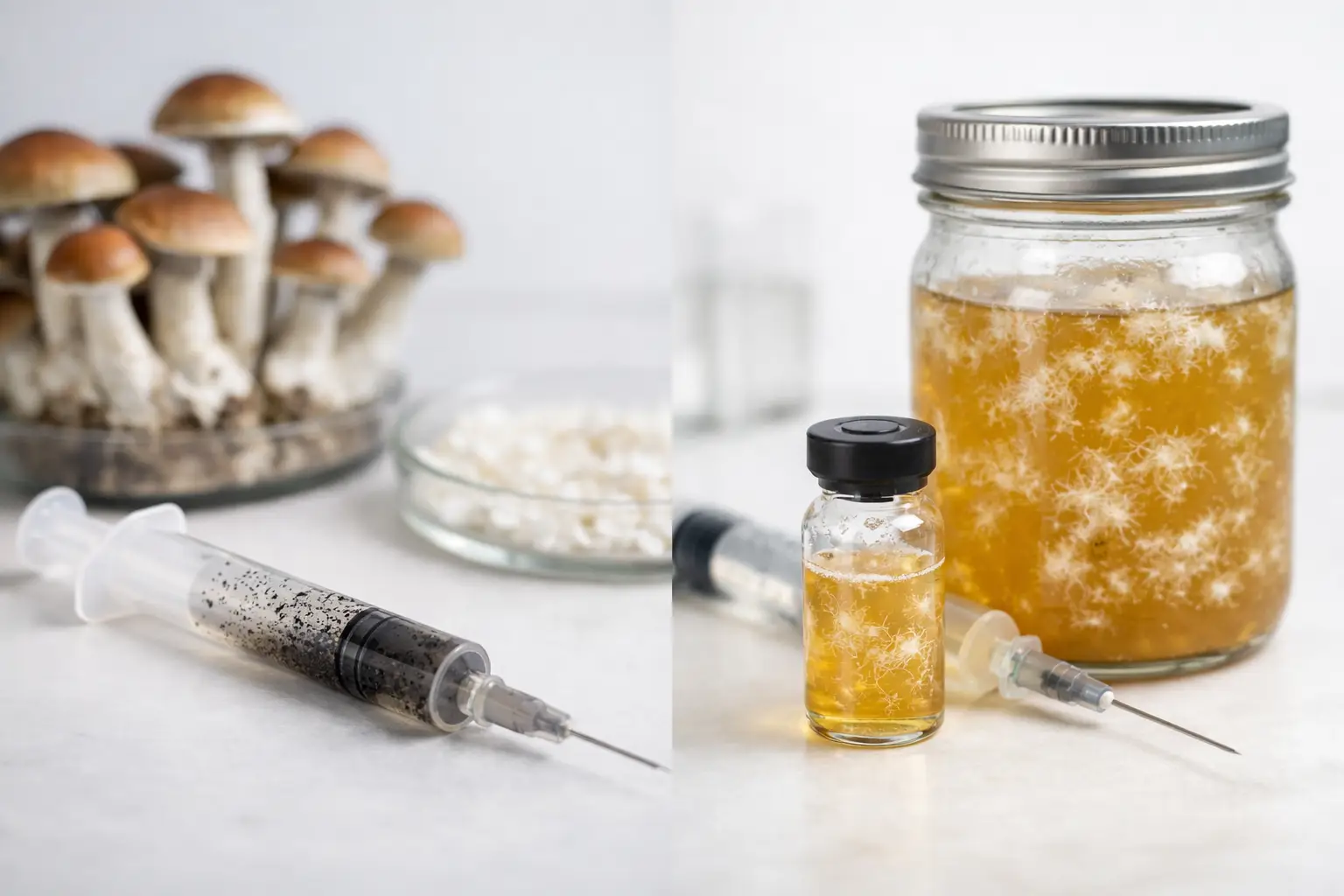
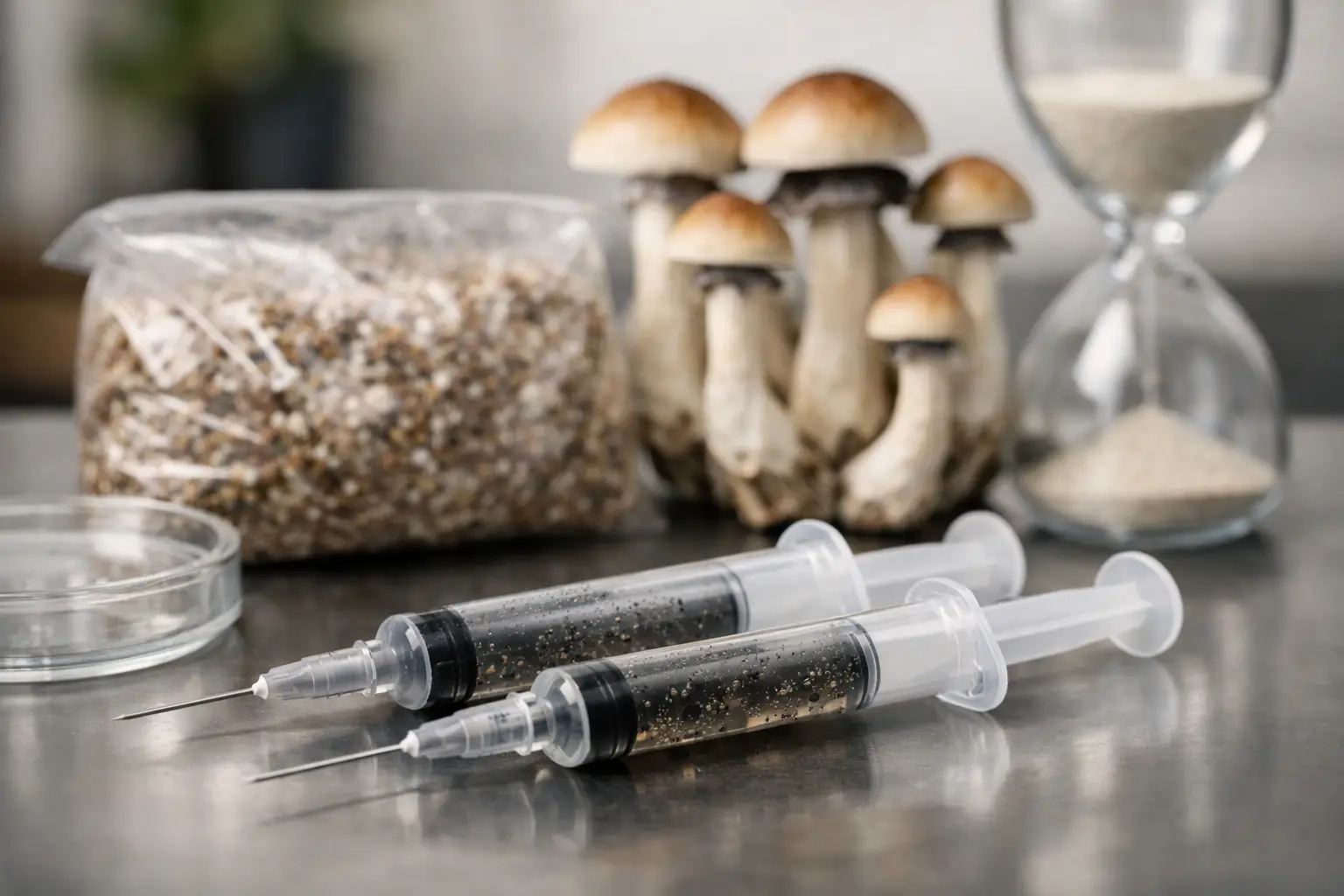
If you have ever pulled a spore syringe from the fridge and wondered whether it is still good, you are asking the right question. How long do mushroom spore syringes last depends less on the calendar alone and more on storage, handling, and how stable the syringe has stayed since the day it arrived.

For most buyers, a well-made mushroom spore syringe can remain usable for several months and often up to a year when stored correctly. Some last longer, some lose performance sooner. That range is not a cop-out – it reflects real-world variables like temperature swings, contamination risk, and how often the syringe has been handled.

How long do mushroom spore syringes last in real conditions?

In practical terms, most mushroom spore syringes hold up best when they are kept refrigerated, protected from light, and left sealed until use. Under those conditions, many growers and collectors treat 6 to 12 months as a reasonable working window. If storage has been especially consistent, viability may extend beyond that, but reliability usually becomes less predictable as time passes.

At room temperature, the timeline usually shortens. A syringe that sits in a warm closet, on a sunny shelf, or in a mailbox for too long may still contain viable spores, but you are increasing the odds of weaker performance or contamination issues. Short exposures during shipping or setup are one thing. Long-term warm storage is another.

That distinction matters because spores are durable, but the syringe itself is still a moisture-rich environment. Over time, even a good syringe can degrade if it is exposed to heat or handled carelessly.

What affects spore syringe shelf life?

The biggest factor is temperature. Cool, stable refrigeration generally gives a syringe its best chance of staying viable for the long haul. What hurts shelf life is repeated warming and cooling, especially if the syringe moves in and out of storage every few days. Constant fluctuation creates stress and increases the chance of condensation and handling errors.

Cleanliness at the time of preparation also matters. A professionally prepared syringe starts with a better foundation than one made in inconsistent conditions. If the solution was clean, the syringe was packed properly, and the cap stayed secure, it has a stronger chance of aging well.

Light exposure is another piece of the puzzle. Direct sunlight and prolonged bright light are not doing your syringe any favors. Dark, cool storage is the safer play.

Then there is handling. Every time a syringe is unbagged, examined closely, shaken aggressively, or opened before use, you create another opportunity for trouble. Even if no obvious contamination appears, unnecessary handling can shorten the useful life of the product.

Best way to store a mushroom spore syringe

A refrigerator is usually the safest spot, provided it stays within a normal cool range and does not freeze. Store the syringe in a clean bag or container so it is protected from spills, food contact, and temperature swings from frequent door openings. A back shelf is often better than the fridge door because the temperature tends to stay more stable.

Freezing is usually not recommended. While spores themselves can survive harsh conditions better than many people assume, a syringe solution is not something you want cycling through freezing and thawing. That can affect the liquid environment and reduce consistency.

If refrigeration is not available for a short period, keep the syringe in a cool, dark place and avoid heat. That is a short-term backup, not a best practice. A dresser drawer in an air-conditioned room is better than a garage, windowsill, or car.

Before use, let the syringe come closer to room temperature naturally for a bit rather than rushing it. That small step can make handling easier and reduce condensation around the exterior.

Signs a spore syringe may be too old or compromised

Age alone does not always tell the story. A six-month-old syringe stored well may be in better shape than a one-month-old syringe that sat in the heat. The better question is whether the syringe still looks and behaves like a clean product.

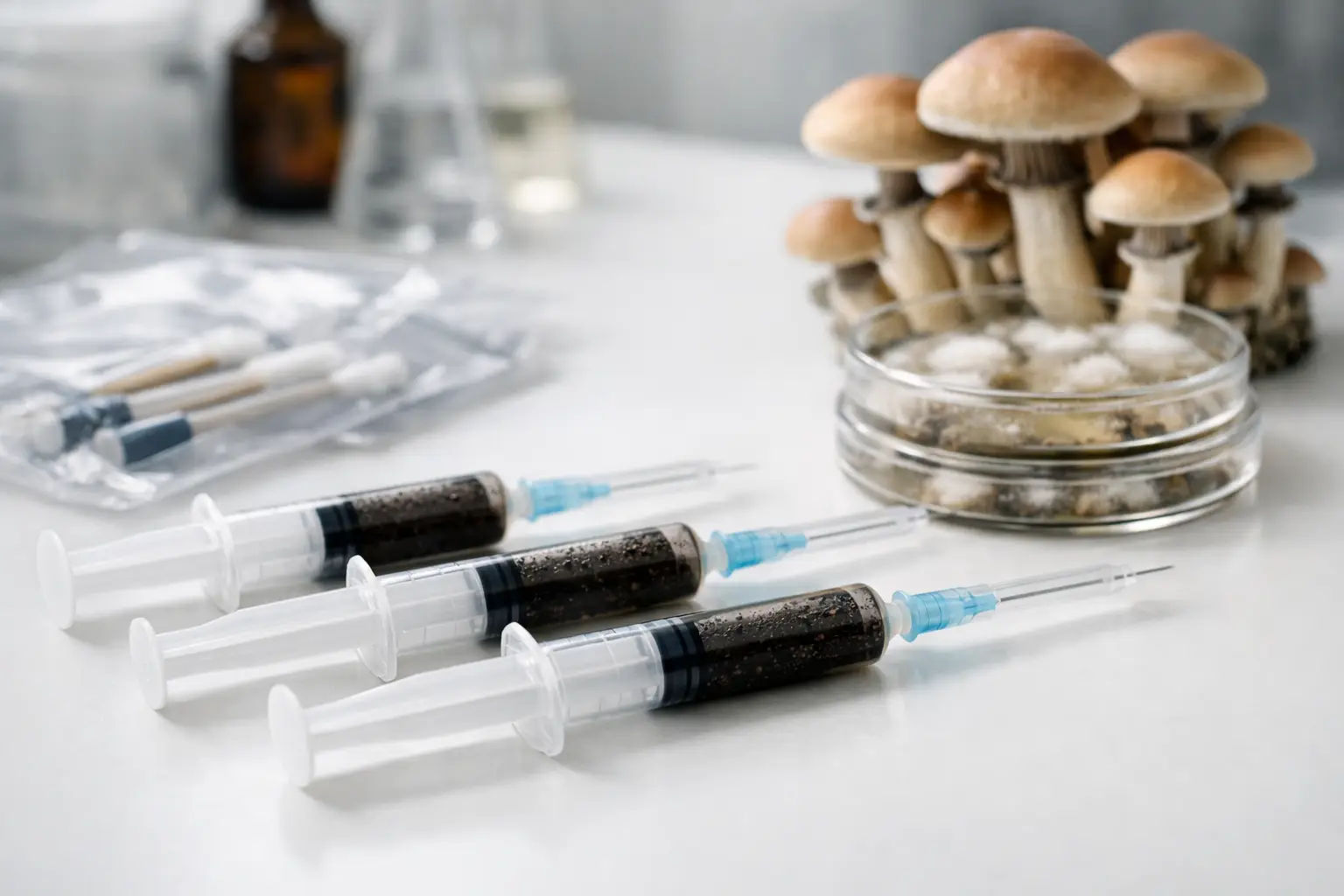
Cloudiness that seems unusual, odd discoloration, foul odor, leaking around the cap, or visible foreign growth are all warning signs. Some spore syringes naturally show dark clumps or suspended matter because spores gather together in the solution. That is normal. Strange colors, slimy appearance, or anything that looks actively off is not.

If the plunger sticks badly, the seal looks damaged, or the packaging appears tampered with, that is also reason to be cautious. Product integrity matters just as much as spore age.

One tricky part for newer buyers is telling normal spore clustering from contamination. Spore clumps often break apart with gentle shaking and still look like dark particulate matter suspended in otherwise normal liquid. Contamination tends to look more irregular, murky, or suspiciously alive. When in doubt, it is smarter to trust your instincts than gamble on a questionable syringe.

Do different strains or varieties last longer?

Buyers often assume shelf life changes dramatically from one variety to another, but storage conditions usually matter more than the label. A properly prepared syringe from one fan favorite variety and a properly prepared syringe from another will often have a similar storage window if both are kept under the same conditions.

That said, individual batches can behave differently. Spore density, preparation quality, and how long the syringe spent in transit can all influence how fresh it feels when it reaches your hands. This is one reason experienced shoppers tend to buy from dedicated suppliers that understand packaging, product turnover, and inventory handling.

Can an old spore syringe still work?

Yes, sometimes surprisingly well. A syringe that is older than the ideal window may still contain viable spores, especially if it has been refrigerated and left undisturbed. The trade-off is consistency. Older syringes may perform more slowly, less evenly, or with a lower success rate than fresher stock.

That is why shelf life should be viewed as a reliability curve, not an expiration switch. There is no universal day when every syringe suddenly stops being useful. Instead, your odds gradually change over time.

For buyers who like to keep options on hand, it makes sense to rotate inventory. Use older syringes first, label purchase dates, and avoid buying more than you can reasonably store well. A broad catalog is great, but only if your storage habits keep pace with your collection.

Buying habits that help you get the most from shelf life

The best storage strategy starts before the package even arrives. Ordering from a seller that moves inventory consistently and ships with care gives you a better starting point than buying unknown stock that may have been sitting around too long. Freshness is not just about what happens in your fridge. It begins with sourcing.

It also helps to buy with a plan. If you know you want to compare varieties, a smaller, more manageable order can be smarter than overstocking and letting syringes sit for too long. Enthusiasts love options, but shelf life is one of those areas where discipline pays off.

For shoppers building out a personal lineup of microscopy supplies, keeping products organized matters more than people think. Label by arrival date, store them consistently, and avoid tossing them loosely into crowded storage. A simple system prevents waste.

FAQ: how long do mushroom spore syringes last?

Should I refrigerate mushroom spore syringes right away?

Yes, if you are not using them immediately. Refrigeration usually gives you the best shot at preserving viability and product quality.

How long do mushroom spore syringes last at room temperature?

Usually less time than refrigerated syringes. A brief period at room temperature is often fine, but long-term warm storage can shorten usable life significantly.

Is it normal to see black clumps in a spore syringe?

Yes. Spores often clump together, and gentle shaking can redistribute them. Clumping by itself is not usually a problem.

Can I use a syringe after one year?

Possibly. If it was stored well and still looks clean, it may remain viable. Just expect less predictability than you would get from a fresher syringe.

A good spore syringe is not just about what you buy – it is about how you store it from day one. Keep it cool, keep it clean, and keep your expectations realistic, and you will give yourself the best chance of getting solid use out of every syringe in your lineup.

Posted on

How to Store Mushroom Spore Syringes Right

How to Store Mushroom Spore Syringes Right

A spore syringe can look perfectly fine on the outside and still lose quality fast if it sits in the wrong spot for a week. If you’re wondering how to store mushroom spore syringes, the answer is less about complicated equipment and more about controlling a few basics well – temperature, light, cleanliness, and patience.

For most buyers, storage mistakes happen after checkout, not before. A syringe gets left in a hot mailbox, tossed into a bright room, or moved in and out of the fridge every other day. None of that feels dramatic in the moment, but it adds up. Good storage is what keeps your collection in better condition and gives you more confidence when you’re ready to use it.

How to store mushroom spore syringes without shortening shelf life

The best environment is cool, dark, and stable. That usually means refrigeration, but not freezing. A standard refrigerator is the safest choice for most hobbyists because it keeps temperatures low enough to slow degradation without pushing the syringe into harsher conditions.

A practical target is around 35 to 46 F. You do not need lab-grade precision, but you do want consistency. The back of a refrigerator shelf usually works better than the door because the door gets frequent temperature swings every time it’s opened.

Light matters too. Spore syringes should stay out of direct sunlight and away from bright indoor light for long-term storage. Even if the syringe is in clear plastic packaging, a darker location is still the better move.

Humidity is less of a direct issue when the syringe is properly sealed, but condensation and repeated temperature changes can create problems around the packaging and handling process. That is one reason stable cold storage beats moving syringes from room temperature to fridge and back again.

The best place to keep them at home

If you only have one or two syringes, it’s easy to treat them casually. If you have a few fan favorites in rotation or like to shop by category and keep different strains on hand, organization starts to matter.

A dedicated container inside the refrigerator helps more than people think. It protects the syringes from being bumped, keeps them away from food spills, and reduces unnecessary handling. A clean plastic container or small storage box works well as long as it stays dry and is not airtight enough to trap excess moisture from condensation.

Label visibility also matters. You do not want to pull out five syringes just to find one. Keeping labels facing up saves handling and helps you leave the rest undisturbed.

If refrigeration is not available, a cool interior closet or cabinet can work for short-term storage, but it is not the preferred setup for longer periods. Room-temperature storage is always more vulnerable to seasonal heat, AC fluctuations, and accidental light exposure. It depends on how long you plan to hold the syringe and how controlled your indoor environment really is.

What to avoid when storing spore syringes

Most storage damage comes from a short list of preventable issues. Heat is the biggest one. Leaving syringes in a vehicle, near a window, on top of electronics, or close to kitchen appliances can shorten viability quickly.

Freezing is another common mistake. Colder is not always better. A home freezer can expose the liquid inside the syringe to conditions that are too harsh, and that can compromise the spores. If you’re aiming for preservation, refrigeration is the safer lane.

Repeated handling is also underrated as a problem. Every time a syringe is moved, unwrapped, warmed up, or inspected under bright light, you’re adding wear to something that benefits from being left alone. Spore syringes are not fragile in the dramatic sense, but they do store better when they are not constantly disturbed.

You also want to avoid storing them near kids, pets, or anywhere the cap could be loosened accidentally. Secure storage is basic common sense, especially in a shared household.

Should you keep spore syringes in the fridge?

In most cases, yes. If someone asks how to store mushroom spore syringes for the best shot at long-term quality, refrigeration is the standard answer. It offers a more stable environment than most rooms in the average home.

That said, not every fridge setup is equal. A refrigerator that freezes items in the back, runs warm, or gets opened constantly may not be ideal. Mini fridges can work, but some cycle temperatures aggressively. If you’re using one, it helps to check that it stays in a safe range.

It also makes sense to keep syringes away from the coldest points inside the fridge. You want cool storage, not partial freezing. A middle or upper shelf inside a container is often safer than pressing the syringe directly against the back wall.

How long can they stay in storage?

Shelf life depends on storage conditions, the age of the syringe when received, and how often it has been exposed to temperature swings. There is no honest one-size-fits-all number because viability naturally declines over time, even with proper care.

What you can say with confidence is that cooler, darker, cleaner storage tends to support better longevity than a room-temperature drawer or sunny shelf. If you buy multiple syringes at once, it is smart to plan around realistic use rather than stockpiling more than you can reasonably store well.

For active collectors and microscopy-focused buyers, rotation helps. Use older stock first, label purchase dates if needed, and avoid mixing fresh arrivals with syringes you have already handled repeatedly. That kind of simple system is more useful than guessing based on appearance alone.

Handling before and after storage

Storage is not just where the syringe sits. It is also how you move it in and out of that environment. If a refrigerated syringe is about to be used, let it come closer to room temperature gradually before handling it heavily. That reduces condensation and makes the contents easier to work with.

Shaking is another area where people overdo it. If spores have settled, a gentle mix is usually enough. You do not need aggressive force. The goal is even distribution, not turning routine handling into avoidable stress.

After use, if the syringe is still properly capped and clean, return it to storage promptly. Do not leave it sitting under lights on a work surface longer than necessary. The less time it spends bouncing between conditions, the better.

A simple storage routine that actually works

The most reliable approach is uncomplicated. When your syringe arrives, inspect the packaging, confirm the label, and place it in a clean container in the refrigerator. Keep it out of direct light, avoid the fridge door, and leave it alone until needed.

If you order more than one, separate them in a way that makes sense for how you shop and use them. Some growers organize by strain, some by arrival date, and some by project timeline. Whatever system you choose, consistency matters more than perfection.

This is where a specialized shop experience helps. If you’re buying across multiple formats or picking up a few fan favorites at once, treating storage as part of your routine keeps your collection in better shape. At Myceli Nation, that mindset fits the whole point of The Mycelium Network – access is great, but smart handling after delivery is what protects that value.

Signs your storage setup needs improvement

If you’re constantly moving syringes around to make room, if your fridge runs unpredictably, or if you cannot remember how long something has been sitting there, your setup probably needs tightening up. Storage should feel boring. That is usually a good sign.

A reliable setup is one you do not have to rethink every few days. The fewer variables, the better. Cool temperature, low light, clean storage, and minimal handling will outperform complicated routines almost every time.

For hobbyists and collectors alike, the best answer to how to store mushroom spore syringes is to keep things controlled and simple. Give them a stable place, resist the urge to fuss with them, and future-you will be glad you did.

Posted on

Mushroom Spore Syringe vs Liquid Culture

Mushroom Spore Syringe vs Liquid Culture

If you have ever paused on a product page deciding between a spore syringe and a culture syringe, you are already asking the right question. Mushroom spore syringe vs liquid culture is not just a product comparison – it shapes colonization speed, consistency, storage expectations, and the kind of cultivation workflow that makes the most sense for your setup.

For buyers who already know their way around strain names and supply categories, the real difference comes down to what you want from the material in front of you. Are you prioritizing genetics in spore form, broader starting potential, or a faster and more uniform jump into active mycelial growth? Those are two very different starting points, even when the syringes may look similar in a storefront.

Mushroom spore syringe vs liquid culture at a glance

A mushroom spore syringe contains spores suspended in sterile solution. A liquid culture contains living mycelium already established in nutrient liquid. That sounds simple, but the downstream effect is substantial.

Spores are the starting reproductive cells. They have to germinate and pair before forming active mycelium. Liquid culture skips that early phase because the mycelium is already present and growing. In practice, that usually means liquid culture can move faster in suitable applications, while spore syringes offer a more foundational format that many collectors and microscopy-focused buyers already know well.

The key point is that one is not automatically better than the other in every scenario. A lot depends on whether you want speed, consistency, storage flexibility, microscopy appeal, or a specific way of sourcing genetics.

What a spore syringe is best at

Spore syringes remain a staple for good reason. They are familiar, straightforward to store correctly, and widely recognized across the mycology space. For buyers who are browsing a broad menu of strains and want access to classic options in a standard format, spore syringes are often the easiest place to start.

One advantage is accessibility. Many hobbyists build their early sourcing habits around spores because the format is common, easy to compare across varieties, and simple to add to a broader order with prints, supplies, or bundled packs. If you like shopping by category and keeping your options open, spores fit neatly into that process.

There is also a variability factor. Because spores represent the beginning of a genetic process, results can be less uniform than a well-established culture. For some buyers, that is a drawback. For others, it is part of the appeal. It depends on whether you want a more standardized starting point or are comfortable with a format that begins earlier in the life cycle.

Shelf life is another reason people reach for spore syringes. When stored properly, they can be a practical choice for buyers who are planning ahead, building out a collection, or placing a larger order and using items over time rather than all at once.

Where liquid culture stands out

Liquid culture is often the choice for growers who want a more active starting point. Instead of waiting for spores to germinate, you are working with living mycelium that is already established in solution. That usually makes liquid culture especially attractive to cultivators who value speed and cleaner workflow timing.

Consistency is the other major reason people prefer this format. Since the mycelium is already growing, a good liquid culture can offer a more predictable jump-off point than spores. If your main goal is efficient colonization and repeatable results within your process, liquid culture often makes more sense.

That does not mean it is automatically the best fit for every cart. Liquid culture can be more sensitive to handling, age, and storage conditions because it is a live culture, not just dormant reproductive material suspended in sterile water. Buyers who want to stock up far in advance may weigh that differently than someone ordering for immediate use.

For many edible cultivation customers, liquid culture feels like the more purpose-driven format. It lines up well with practical production goals and tends to appeal to shoppers who already know they want active mycelium rather than spores.

Speed vs flexibility

Most comparisons eventually land here. If you strip away the terminology, mushroom spore syringe vs liquid culture is often a decision between flexibility and speed.

Spore syringes offer flexibility in the sense that they are a widely available, familiar format with good variety across many strain catalogs. They are easy to browse, easy to recognize, and often easy to store for future plans. That makes them a strong retail-friendly option for buyers who want selection and convenience.

Liquid culture usually wins on speed because it begins with established mycelium. For growers trying to reduce lag time in the early stages, that matters. Even small differences at the beginning can shape the overall rhythm of a grow cycle.

Still, speed is not the only thing worth paying for. Some buyers simply prefer the broader menu of spore options available in many shops. Others like having both formats available depending on the species, the project, or how soon they plan to use the syringe.

Consistency and genetic starting point

This is where the trade-off becomes more technical without getting complicated. A spore syringe starts from spores, which means germination and pairing still need to happen. That introduces more variation at the beginning. A liquid culture starts from mycelium that is already active, which generally reduces that variability.

If you are after a more uniform starting line, liquid culture usually has the edge. If you are sourcing based on strain availability, catalog breadth, or your own preference for spore-based material, a spore syringe may still be the better buy.

For many experienced shoppers, this is less about right and wrong and more about product intent. Spore syringes and liquid cultures belong in different lanes, even when they share similar packaging.

Storage and handling matter more than people think

A lot of buying decisions are made on product format alone, but storage habits should be part of the comparison. Spore syringes are often viewed as more forgiving for longer-term holding when stored correctly. Liquid culture, because it contains live mycelium in nutrient solution, usually benefits from tighter timing and more attentive storage practices.

That matters for ecommerce buyers who tend to place larger mixed orders. If your plan is to shop once, build inventory, and use products gradually, spore syringes may fit that pattern better. If you are ordering with a near-term project in mind and want a more active material ready to go, liquid culture may be the smarter pick.

This is one of those details that separates a quick purchase from a good purchase. The best product on paper is not always the best product for your schedule.

Which format makes sense for different buyers?

Newer buyers often gravitate toward spore syringes because they are common, easy to identify, and available across a wide range of fan-favorite varieties. They also fit well into bundle-style shopping, where someone may want to compare multiple genetics in one order.

More cultivation-focused buyers often lean toward liquid culture when the goal is active growth and a more efficient start. That is especially true for edible culture shoppers who want a format aligned with practical cultivation use rather than just strain exploration.

Collectors and microscopy-focused buyers may still prefer spores because the format matches their purpose more naturally. On the retail side, this is why a well-built catalog benefits from carrying both. They serve overlapping audiences, but not identical ones.

If you are somewhere in the middle, the answer may simply be to match the format to the project. Not every species, timeline, or buying habit calls for the same thing.

A better way to choose before you buy

Instead of asking which is better overall, ask a few narrower questions. Do you want active mycelium or spores? Are you ordering for immediate use or later use? Are you prioritizing catalog variety or colonization speed? Are you shopping with microscopy, collection, edible cultivation, or general sourcing in mind?

Those questions usually sort the answer quickly.

If your priority is broad selection, familiar format, and a syringe you may want to store properly for a bit, a spore syringe is often the cleaner fit. If your priority is faster movement from the start and a more consistent active culture format, liquid culture usually makes more sense.

That is the real value in understanding mushroom spore syringe vs liquid culture. You stop shopping by label alone and start buying for the result you actually want.

At Myceli Nation, that kind of clarity is what makes a product catalog useful instead of overwhelming. The right format is the one that fits your timeline, your goals, and how you move through the mycology supply world.

Posted on

Mushroom Spore Syringes for Sale Online

Mushroom Spore Syringes for Sale Online

If you have ever bounced between sketchy listings, limited strain menus, and sellers that make basic product info hard to find, you already know the real value behind mushroom spore syringes for sale online. It is not just about finding a syringe in stock. It is about finding the right strain, the right format, and a storefront that actually feels built for mycology buyers instead of generic ecommerce traffic.

For experienced shoppers, the difference shows up fast. A strong spore catalog makes it easy to compare classics like Golden Teacher and B+ alongside more niche picks, see what is available now, and decide whether a single syringe or a bundle makes more sense. That kind of clarity matters when you are buying with a specific microscopy interest, building out a collection, or simply trying to avoid piecing together an order across multiple suppliers.

What makes mushroom spore syringes worth shopping by category

Spore syringes remain one of the most convenient formats in the mushroom space because they are familiar, accessible, and easy to browse by strain. For buyers who already know what they want, the format is direct. For buyers comparing options, it offers a practical middle ground between individual prints, larger bundles, and other specialty products.

That convenience is also why category design matters. When a shop treats spore syringes like a core product line instead of an afterthought, the experience gets better immediately. You can sort through fan favorites, compare recognizable names, and move from product discovery to checkout without digging through unrelated inventory.

A focused category also helps buyers shop with purpose. Some shoppers are looking for staple strains with broad recognition. Others want to branch into exotics or pick up several options in one order. A well-built storefront supports both, which is exactly what serious mycology customers expect.

How to judge mushroom spore syringes for sale

Not every listing deserves your trust, even when the strain name is familiar. The better question is not whether a syringe exists for sale, but whether the offer makes sense for the kind of buyer you are.

Start with strain variety. A quality retailer should carry more than a handful of recycled names. A broad catalog signals that the store understands the market and serves enthusiasts who want more than the basics. Classics matter, but depth matters too. If a shop can offer staple strains alongside harder-to-find selections and organized product categories, that usually points to a stronger buying experience.

Next, look at how the products are presented. Clean product organization, clear naming, and straightforward category paths reduce friction. You should be able to move from syringes to prints, edible cultures, or bundled options without feeling lost. In a niche market, usability says a lot about how seriously a business takes its inventory and customer base.

Packaging and product handling also matter, even when the shopping decision starts with strain selection. Buyers want confidence that products are prepared for shipment with care and listed in a way that matches what will actually arrive. When a store feels organized on the front end, it usually inspires more confidence on the fulfillment side too.

Strain selection is where the buying experience really starts

In this space, strain names are not just labels. They are how buyers navigate the catalog. Recognizable options like Golden Teacher, B+, Blue Meanie, and Lizard King keep showing up for a reason. They are familiar, easy to compare, and often the first names shoppers search when they want a dependable starting point or a known addition to a broader collection.

That said, a good catalog should not stop at the usual names. Enthusiast buyers often want room to explore. They may start with best sellers, then branch into lesser-known varieties or add a bundle that gives them more range for the same order. This is where specialty retailers separate themselves from thin catalogs. Breadth is not just impressive on paper. It makes shopping easier because you can compare, discover, and buy in one place.

The format of the offer matters here too. Single syringes work well when you know the exact strain you want. Bundles make more sense when you are testing multiple interests or trying to maximize value per order. A store that supports both lets the customer decide based on goals, not inventory limitations.

Why bundles and related products can be a smarter buy

A lot of shoppers search for one syringe and end up realizing they would rather build a more complete order. That is not upsell fluff. It is often the more practical move.

Bundled spore syringe packs simplify the process for buyers who want variety without repeating the same checkout cycle over and over. They also make sense for hobbyists who prefer to compare several strains side by side in a single purchase. When bundle pricing is clear and the strain lineup is strong, the value is easy to see.

Related categories can also improve the shopping experience. Some buyers prefer prints. Others may want to browse edible cultures, ready-to-inoculate products, or cultivation supplies while they are already placing an order. A retailer built around mycology should make those category transitions feel natural. That is one of the advantages of shopping with a dedicated mushroom storefront instead of a scattered marketplace seller.

Worldwide shipping and catalog access matter more than most shops admit

For niche products, availability is part of the product. A great catalog does not help much if it is difficult to order from your location or if the store treats international customers like an afterthought.

That is why worldwide shipping stands out in this market. It expands access for buyers who do not want to rely on inconsistent local options, and it supports the broader mycology community by making specialized inventory easier to reach. For many customers, that access is a deciding factor, especially when they are trying to avoid splitting an order across several vendors.

Availability also ties back to trust. A shop that consistently stocks multiple product types, updates categories, and presents itself as more than a one-page listing tends to feel more reliable. Myceli Nation leans into that role by operating as The Mycelium Network, which fits what many buyers actually want – not just a single item, but a home base for spores, cultures, supplies, and ongoing product discovery.

What experienced buyers usually want from a storefront

Most repeat buyers are not looking for hype. They want efficiency, range, and a catalog that respects their time. That means product categories that make sense, best sellers that are easy to spot, and enough depth that they do not have to keep opening new tabs to finish one order.

They also want a store that understands the culture of the niche. Using real strain names, organizing products around how enthusiasts actually shop, and keeping the language direct all help. Overexplaining basic terms can feel clumsy for an informed audience. On the other hand, being too vague makes the store look careless. The right balance is simple: speak the language of mycology clearly and keep the path to purchase obvious.

This is also where community matters. A good mycology brand is not just moving inventory. It creates a place where enthusiasts can keep browsing, discover new products, and return when they want more than a one-off purchase. Newsletters, blog content, affiliate programs, and drop shipping options all reinforce that ecosystem when they are built around the same audience.

The best mushroom spore syringes for sale are easy to find

That sounds obvious, but in a niche market it is surprisingly rare. The best mushroom spore syringes for sale are usually attached to a storefront that does a few simple things well. It organizes by category, offers recognizable and niche strains, supports bundles, and makes ordering feel straightforward from the first click.

There is always a trade-off between a giant generic marketplace and a specialty shop. Marketplaces may look broad at first glance, but they often create more noise than value. Specialty stores tend to be narrower in overall scope, yet much stronger where it counts – strain selection, product organization, and a buying experience designed for enthusiasts instead of casual browsers.

If you are shopping this category seriously, the best move is to buy from a store that treats spores as part of a larger mycology network, not a random standalone listing. That gives you more room to compare products, more confidence in what you are ordering, and a better chance of finding exactly what you want the next time you come back. When the catalog is built for real mushroom enthusiasts, shopping stops feeling like a search and starts feeling like progress.

Posted on

Mushroom Growing Kits

Mushroom grow kits

Mushroom Growing Kits

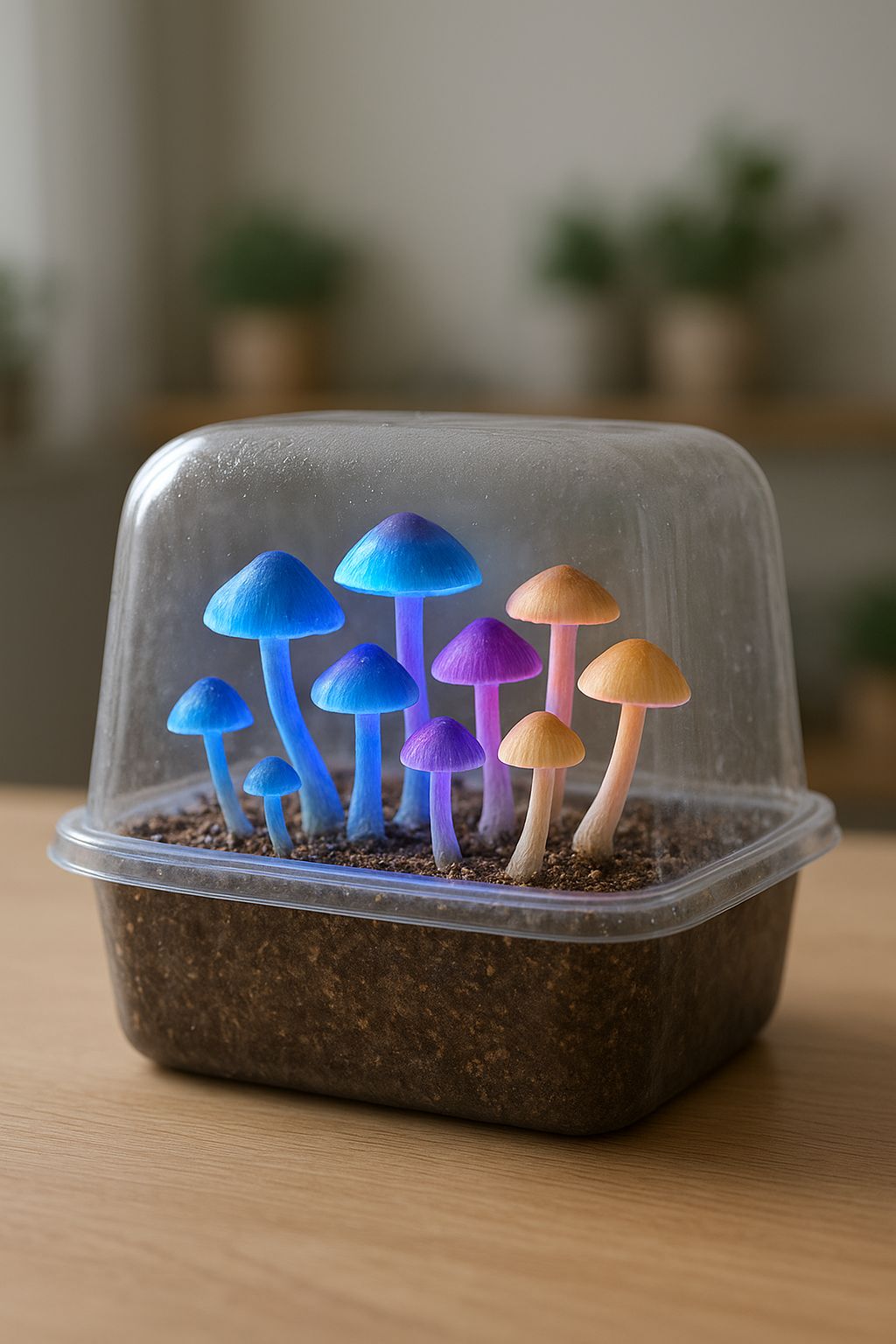
Mushroom grow kits are experiencing a surge in popularity, fueled in part by the growing interest in “magic mushroom spores” and the accessibility of mushroom growing kits. This guide delves into the captivating world of mushroom cultivation, exploring the fundamentals, examining the allure of psilocybin spores, and demystifying the magic mushroom kit phenomenon.

The Basics of Mushroom Cultivation

At the heart of any mushroom cultivation endeavor lies the understanding of mushroom spores. These microscopic seeds are essential for mushroom growth, representing the reproductive unit of the fungal kingdom. Spores come in a wide variety, from those that produce delicious edible mushrooms to those that yield psychedelic varieties. Understanding these differences, and the various strains within each category, is crucial for selecting the right spores for your desired purpose.

Overview of Mushroom Kits

Mushroom growing kits offer a convenient and accessible entry point into the world of mycology. But what exactly is a mushroom growing kit?

Simply put, it’s a pre-packaged system designed to simplify the mushroom cultivation process. These kits come in various forms, often containing a substrate (the growing medium), sterilized materials, and, of course, mushroom spores.

The convenience of these kits lies in their pre-prepared nature,eliminating the need for extensive knowledge and specialized equipment, making them perfect for beginners.

Psilocybin Mushroom Growing Kits: Growing your own shrooms.

The growing interest in mushroom kits is particularly pronounced when it comes to those designed for cultivating psilocybin mushrooms, often referred to as “magic mushrooms.”

The Allure of Psilocybin Spores:

Psilocybin spores are unique due to the psychoactive compounds they contain, primarily psilocybin and psilocin. These compounds are responsible for the altered states of consciousness experienced when consuming these mushrooms. While the allure of psilocybin is undeniable, it’s crucial to approach cultivation with utmost responsibility, emphasizing safety and adherence to local laws and regulations.

Selecting a Psilocybin Mushroom Grow Kit:

Choosing the right psilocybin mushroom grow kit requires careful consideration. Factors to consider include the kit’s complexity, the reputation of the supplier, and the specific strain of psilocybin mushroom you wish to cultivate. Many reputable brands and suppliers offer detailed information and support to guide beginners through the process. The benefits of using a psilocybin mushroom grow kit are numerous, including increased success rates, minimized contamination risks, and simplified cultivation procedures.

Magic Mushroom Kits:

Magic mushroom kits are specifically designed for growing psilocybin mushrooms. They typically include easy-to-follow instructions and often come with the necessary tools for beginners.

Choosing the Right Magic Mushroom Spores:

Selecting the right magic mushroom spores is crucial for a successful grow. Consider factors like the desired potency, growth conditions, and the specific effects associated with different strains. Some strains like Golden Teacher are known for their ease of cultivation, while others are prized for their unique visual or introspective experiences. Always prioritize ensuring the viability of your spores to maximize your chances of a successful harvest.

The Future of Psychedelic Mushroom Kits

The future of psychedelic mushroom kits looks promising, driven by several key trends. There’s increasing interest in psychedelics for their potential therapeutic applications, particularly in treating mental health conditions like depression and anxiety. Research is ongoing, further solidifying their potential benefits. Additionally, the legal landscape surrounding psilocybin is evolving, with legalization efforts gaining momentum in various regions.

How to Get Started with a Psychedelic Mushroom Kit

Embarking on a psychedelic mushroom cultivation journey involves several key steps:

  • Setup: Carefully prepare your growing environment, ensuring proper hygiene and ventilation.
  • Inoculation: Introduce the psilocybin spores to the sterilized substrate, following the kit’s instructions meticulously. you get get your Cubensis spores right here.
  • Incubation: Allow the spores to colonize the substrate in a dark, temperature-controlled environment.
  • Fruiting: Introduce light and humidity to trigger the formation of mushrooms.
  • Care and Maintenance: Monitor the kit regularly, providing adequate moisture and ventilation.

Finally, remember to harvest and process your mushrooms carefully, allowing them to dry completely before storage.Finally

Mushroom growing kits, particularly those designed for psilocybin mushrooms, offer an exciting journey into  fungal cultivation.By gaining knowledge of magic mushroom spores, selecting the right kit, and following proper procedures, anyone can embark on a mycological adventure.Remember to always research and adhere to local laws and regulations. This burgeoning field is ripe with potential, promising not only personal exploration but also a deeper understanding of the natural world.

Posted on

MHUT payment email

*Important*

Our payment processor is currently down. However we can accept cards through our Mushroom Hut site.  Just add products of equal value to the shopping cart at this page of Our Mushroom Hut site.

Then checkout as normal.

For example, if you ordered 1 spore syringe ($18.99) and 1 Spore print (34.99)

You would add one edible culture syringe at 18.99 and another for 34.99 and checkout as normal to achieve to same amount. For spore packs add the 59.99 edible culture syringe.


Checkout with the same name and address as your spore order. The shipping will calculate the same at the checkout.

You can pay with a card there and we will ship your spore order and not the edible cultures once payment is received.  Let us know if you have any questions.

Cheers!

-B

www.Myceli-Nation.com

Welcome to the Myceli-Nation