
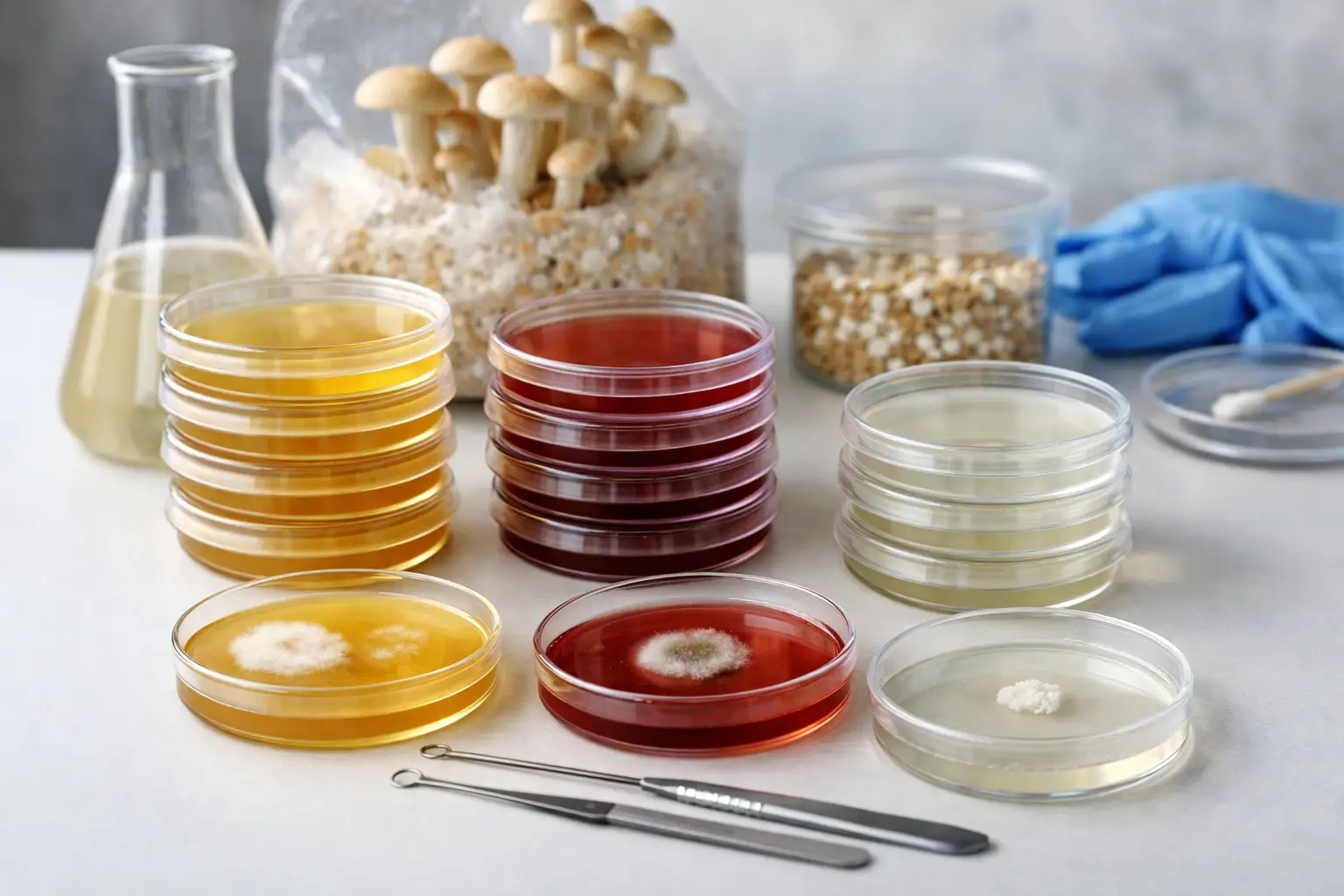
A bad plate can waste a perfectly good culture sample. A good one gives you a clean, hydrated surface, readable growth, and a realistic chance to spot contamination before it follows your culture into grain. That is why comparing the best agar plate brands is less about finding a fancy label and more about finding plates that arrive usable, consistent, and suited to the way you work.
For most home mycologists, pre-poured plates are the practical choice. They remove the pressure-cooking, pouring, and condensation-management steps so you can focus on transfers, cloning, isolation, and culture cleanup. Still, not all pre-poured agar is equal. Media recipe, dish quality, packaging, shipping conditions, and seller freshness all affect the result.
What Makes an Agar Plate Brand Worth Buying?
Start with the plate itself. A dependable plate should be properly sealed, free from visible contamination, and poured at a depth that resists drying out while giving mycelium room to spread. The agar surface should be smooth and reasonably clear unless you intentionally ordered a dark or supplemented medium.
Media choice matters just as much. Light malt extract agar, often called MEA, is a familiar all-purpose medium for observing growth and making routine transfers. Potato dextrose agar, or PDA, can support vigorous growth but may be less visually clean for some inspection work. Yeast-enhanced recipes can be useful when you want more nutrition, while lower-nutrient media may help slow overly aggressive growth and make sectoring easier to read.
The best brand for you also depends on your workflow. A cultivator making occasional tissue transfers may value a small, ready-to-use pack. Someone cleaning several cultures or running repeated isolation work will probably get better value from larger sleeves of consistent plates. If you are working with a new specimen, colored media can make pale growth easier to see, but it is not automatically better than a clean standard MEA plate.
7 Best Agar Plate Brands to Consider
Rather than treating this as a single winner-takes-all ranking, think of these brands as strong options for different needs. Inventory, plate recipes, and shipping policies can change, so always read the current product description before ordering.
1. MycoLabs
MycoLabs is a recognizable name among home cultivators looking for pre-poured dishes and a range of media styles. Its appeal is simple: cultivators can often choose from standard nutrient agar, colored agar, and selective-style options without having to pour their own plates.
This is a sensible pick for growers who want variety in one order. Standard plates work for routine transfers, while colored or lower-nutrient options can be reserved for specific cleanup and observation tasks. Check the plate count and medium before comparing prices, since a lower upfront price is not always a better per-plate value.
2. North Spore
North Spore is often a good fit for cultivators who prefer established supply brands and straightforward product presentation. Its pre-poured agar offerings tend to appeal to growers building a broader cultivation supply order, rather than buying plates as a one-off item.
The main advantage is convenience when you are already sourcing other essentials. For first-time agar users, simple nutrient agar plates from a trusted cultivation supplier are usually easier to work with than experimental recipes. Keep an eye on storage recommendations and use-by guidance when your shipment arrives.
3. Midwest Grow Kits
Midwest Grow Kits is another familiar option for hobby growers who want plates alongside general cultivation equipment. Its value is in accessibility: it serves customers who may be setting up a still-air box, organizing a first clean-work routine, or expanding from liquid culture into agar work.
Look for plain, clearly labeled plates if your goal is learning clean transfers. You do not need a complicated formula to practice taking a tiny wedge from clean leading growth and moving it to fresh media. A basic plate that arrives in good condition will teach you more than a specialty plate used at the wrong stage.
4. Out-Grow
Out-Grow has long been known in the wider mushroom cultivation supply space, including for media and laboratory-style supplies. It is worth considering when you want conventional options and are comfortable selecting media based on your actual goal rather than marketing language.
For routine culture maintenance, traditional MEA or PDA can be enough. If you are trying to clean up a questionable sample, it may make sense to reserve specialty media for that job and keep standard plates for follow-up transfers. The brand matters, but fresh plates and good sterile technique matter more.
5. MycoHaus
MycoHaus is a practical choice for enthusiasts looking for a broad cultivation catalog, including petri dishes, ingredients, and prepared options. It can suit the grower who wants flexibility between buying ready-made plates now and eventually mixing their own media later.
That flexibility is useful because agar work tends to expand. Many cultivators begin with a sleeve of pre-poured plates, then move toward pouring their own once they know which media they use most. Buying from a supplier that offers both routes can make that transition easier.
6. FunGuy Supplies
FunGuy Supplies is worth a look for home mycology buyers who prefer specialty-focused products and smaller-batch cultivation gear. Availability can vary, which is common with niche suppliers, but that also means the catalog may include useful plate formats that bigger general retailers overlook.
When shopping smaller suppliers, pay special attention to recent product details. Confirm the medium, number of plates, sealing method, and whether the plates are intended for immediate use or longer storage. If those details are vague, ask before you buy rather than guessing.
7. Local Mycology Supply Shops
The final entry is not one national label, and that is intentional. A well-run local or regional mycology supplier can be one of the best sources of agar plates because transit time is shorter and plates may arrive fresher. This is especially valuable in very hot or very cold weather, when shipping can be hard on agar.
The trade-off is less consistency across sellers. Before placing an order, look for clear photos, media descriptions, recent customer feedback, and realistic shipping practices. A local seller with transparent information can outperform a bigger brand whose plates spend too long in transit.
How to Choose Between Pre-Poured Agar Plates
Do not choose based on color alone. Black agar can create visual contrast, but clear or amber media is often easier for seeing subtle growth patterns, moisture, and contamination. For most culture work, a standard MEA plate remains a reliable starting point.
Also consider dish size. Ninety-millimeter plates provide a generous working area and are common for transfers and isolation. Smaller plates can save space and media, but they dry out faster and offer less room to observe radial growth. If you are making a lot of small transfers, smaller formats may be efficient. If you are learning to read a plate, standard-size dishes are more forgiving.
Packaging deserves more attention than it gets. Individually wrapped plates are convenient for minimizing exposure after opening a pack, while sleeves of plates can be more economical for active growers. Neither format is universally superior. Buy individual wraps when your plate use is occasional, and buy sleeves when you know you will use them promptly.
Freshness and Storage Matter More Than Branding
Even the best agar plate brand cannot compensate for poor storage after delivery. Inspect plates as soon as they arrive. Look for cracked dishes, pooled water, obvious discoloration, dried or shrunken agar, and any visible foreign growth. A small amount of condensation is common, especially after temperature changes, but heavy standing water makes clean work harder.
Store unused plates according to the seller’s guidance, typically sealed and protected from light. Let refrigerated plates come to room temperature before opening them in your clean workspace. Opening cold plates invites condensation, and excess moisture can let growth spread in ways that are difficult to interpret.
Use the oldest plates first. Label every plate with the date, medium, culture source, and transfer number before you begin. A plate marked only with a strain name becomes much less useful once you have several rounds of transfers in progress.
Build Your Plate Routine Around Your Goals
If you are new to agar, start with one dependable brand and one standard medium. Order enough plates to make transfers without treating every dish like a precious resource. Ten to twenty plates is often more useful than a tiny mixed sampler because it lets you practice clean technique and repeat transfers when needed.
Once you can recognize clean leading growth, then experiment with different media, colors, or specialty plates. Keep notes on how each culture behaves instead of assuming one formula is always superior. The Mycelium Network is built around that kind of practical curiosity: observe closely, transfer thoughtfully, and let the plate tell you what it needs next.