
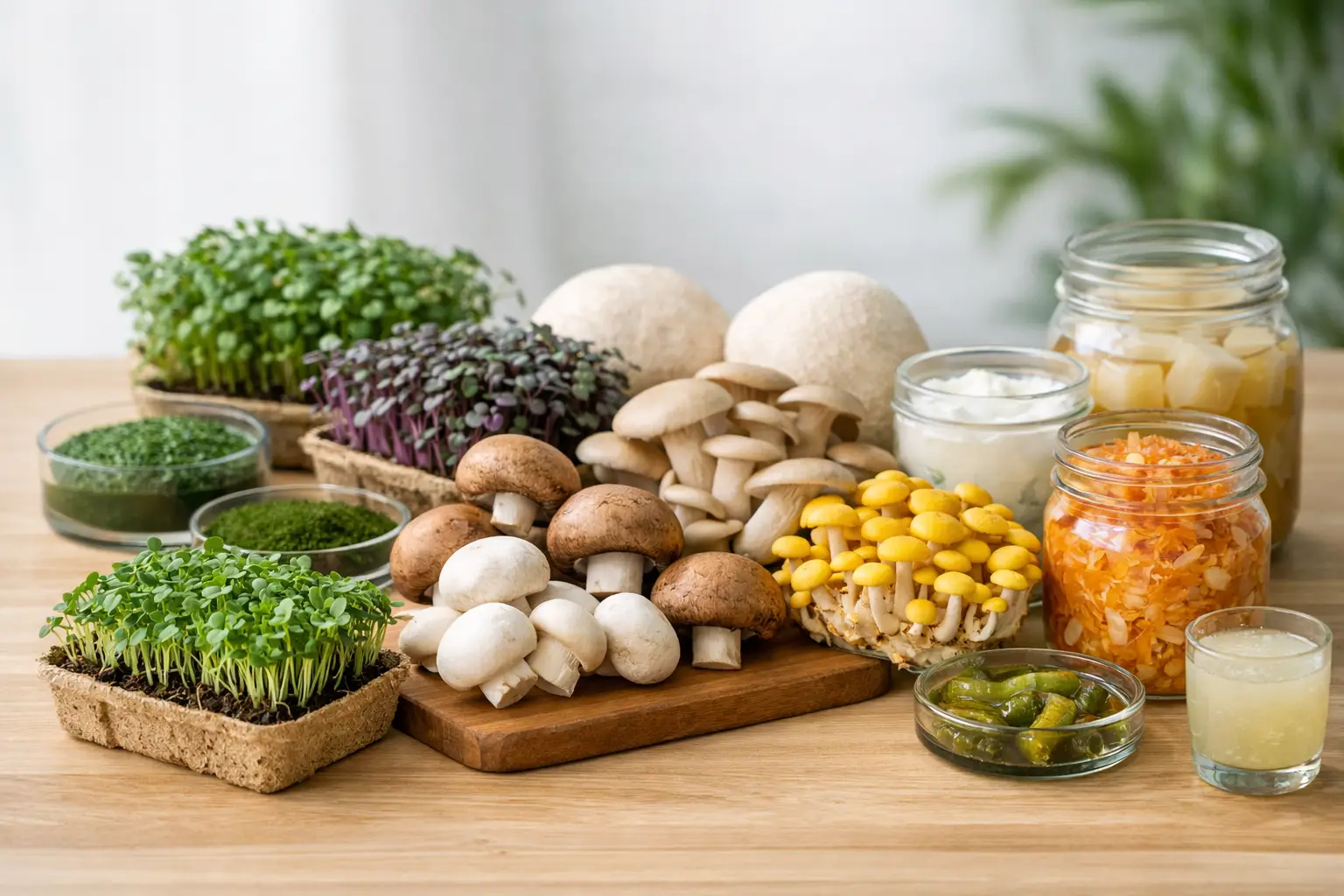
A culture can look great on the shelf and still be the wrong fit for your grow. The most useful way to approach edible cultures compared is not by asking which mushroom is best overall. Ask which one matches your space, substrate, climate control, harvest goals, and appetite for hands-on work.
A fast colonizer is appealing, but speed alone does not guarantee an easy fruiting cycle. A dramatic-looking cluster may be a fan favorite, yet demand more fresh air than a smaller setup can provide. The right culture is the one you can run consistently, learn from, and enjoy eating at the end.
Edible Cultures Compared by Growing Style
For many home cultivators, oyster mushrooms are the practical starting point. They colonize aggressively, tolerate a range of supplemented hardwood-based substrates, and offer a quick path from healthy culture to harvest. They are also available in several varieties, each with its own preferred temperature range and visual character. Blue, pearl, pink, and golden oysters are related in spirit, but not interchangeable when your growing area runs hot or cool.
Lion’s mane sits in a different lane. It is a premium culinary mushroom with a distinctive look and a texture that makes it popular in the kitchen. It generally rewards growers who can maintain steady humidity and give the fruiting block enough fresh air. When conditions are off, lion’s mane often tells you clearly through loose, irregular growth rather than dense, well-formed spines. It is not necessarily difficult, but it benefits from attention.
Shiitake is a patient grower’s culture. It can take longer to mature than oysters, and it has a more deliberate relationship with hardwood-based blocks. That slower pace is part of the trade-off. Shiitake offers familiar flavor, strong culinary demand, and a satisfying harvest for growers willing to give a block the time it needs to brown, consolidate, and fruit properly.
Chestnut mushrooms and pioppino appeal to growers who want more than the standard grocery-store lineup. Both can produce attractive clustered fruits with serious kitchen value. They are often better choices for cultivators who already understand clean workflow, moisture management, and the importance of dialing in fruiting conditions rather than relying on a one-size-fits-all setup.
Start With Your Fruiting Environment
The most overlooked comparison point is not flavor. It is the environment you can actually provide. Before choosing a culture, take an honest look at your fruiting area. A basement shelf, a grow tent, a greenhouse, and a kitchen counter all create different challenges.
Temperature is the first filter. Some oyster varieties perform better in cooler conditions, while others are more comfortable in warmth. Choosing a strain aligned with your seasonal temperatures can save more frustration than any extra equipment purchase. If your space naturally stays warm, a warm-weather culture is often a smarter move than trying to force a cool-weather variety through a summer grow.
Fresh air exchange is the next major divider. Mushrooms consume oxygen and release carbon dioxide, so a stagnant fruiting chamber can change how a crop develops. Oysters especially show the effects quickly, often stretching stems when carbon dioxide builds up. Lion’s mane may lose its clean, dense form. A culture that performs beautifully in a well-ventilated tent may need more attention in a compact tub.
Humidity matters, but it should not mean constantly soaking the block. Most fruiting cultures need a humid surrounding environment while still allowing the substrate surface to breathe. Pools of water, saturated filters, and overly wet bags invite avoidable problems. The goal is stable moisture, not a perpetual spray-down.
Compare Cultures by Substrate Fit
Substrate compatibility is where a purchase becomes a real cultivation plan. Many popular gourmet species thrive on hardwood sawdust blocks supplemented with materials such as bran. This route is productive and versatile, but it requires accurate hydration, proper sterilization, and dependable sterile technique.
Oysters are flexible enough to work with several lignocellulosic materials, including hardwood blends and properly prepared agricultural byproducts. That flexibility makes them attractive to hobby growers who want to experiment. Still, every substrate has its own water-holding capacity, nutritional profile, and contamination risk. A culture can be vigorous and still underperform if the substrate is poorly prepared.
Shiitake, lion’s mane, chestnut, and pioppino are commonly associated with hardwood-based blocks because that material matches their natural wood-loving behavior. For growers using ready-to-inoculate products, this simplifies the choice: select a culture whose preferred substrate is already represented in the bag or block you plan to run.
Grain is best viewed as a stepping stone rather than a fruiting substrate for most of these species. Grain spawn expands a culture quickly and gives you an inoculation point for bulk substrate. It is nutrient-dense, which is useful for growth but also means clean technique matters. The more nutrition a material offers, the less forgiving it can be when handling is sloppy.
Speed, Yield, and Reliability Are Different Things
It is tempting to choose solely by how quickly a culture colonizes. Fast growth can feel reassuring, especially for newer growers, but it is only one part of the equation. A culture might race through substrate and still require careful fruiting management. Another might colonize slowly but provide dependable harvests once its cycle is understood.
Oysters often win the speed conversation. Their quick turnaround and energetic growth make them excellent for learning how a healthy culture should look. They also give growers frequent feedback, which is valuable when refining humidity, airflow, and harvest timing.
Shiitake is rarely the choice for instant gratification, yet it can be a rewarding culture for planned production. Its slower development teaches patience and block management. Lion’s mane falls somewhere between novelty and precision: the harvest is visually striking and culinary-friendly, but quality is closely tied to fruiting conditions.
Yield should also be judged over a full run, not just the first flush. A large initial harvest is exciting, but a culture’s total performance depends on substrate depth, block nutrition, environmental consistency, and how well the block recovers between flushes. Keep notes. The culture that performs best in another grower’s setup may not be the one that performs best in yours.
Flavor Should Guide the Final Choice
The kitchen is the reason edible cultivation stays so addictive. If you cook often, flavor and texture deserve as much weight as colonization speed. Oyster mushrooms are versatile, savory, and easy to use in stir-fries, tacos, soups, and skillet dishes. Their broad appeal makes them a reliable first crop.
Lion’s mane has a more distinct texture that works especially well when sliced into thick rounds and seared. It is a strong choice for growers who want a centerpiece ingredient rather than a supporting mushroom. Shiitake brings deeper, familiar umami and holds up well in broths, rice dishes, sautés, and dried pantry storage.
Chestnut mushrooms offer a firmer bite, while pioppino brings an earthy character and an elegant clustered presentation. These are excellent picks when the goal is to grow something that is harder to find fresh locally. The best edible culture may simply be the one that changes what you cook each week.
Choosing Your Next Culture With Purpose
Newer growers usually benefit from starting with an oyster variety suited to their available temperatures. It provides a clear baseline for learning culture health, colonization, pinning, and harvest timing. Once that process feels familiar, lion’s mane is a logical next challenge for anyone ready to pay closer attention to fresh air and form.
For a longer project with classic culinary payoff, choose shiitake. For variety-driven growers who already have their workflow dialed in, chestnut and pioppino can bring fresh character to the fruiting room and dinner plate. There is no need to chase every species at once. Running one or two cultures well teaches more than juggling a crowded shelf of unfamiliar bags.
Myceli Nation is built for growers who want that range without hopping between fragmented suppliers. Choose a culture based on your real conditions, keep your process clean, and let each harvest point you toward the next species worth running.