
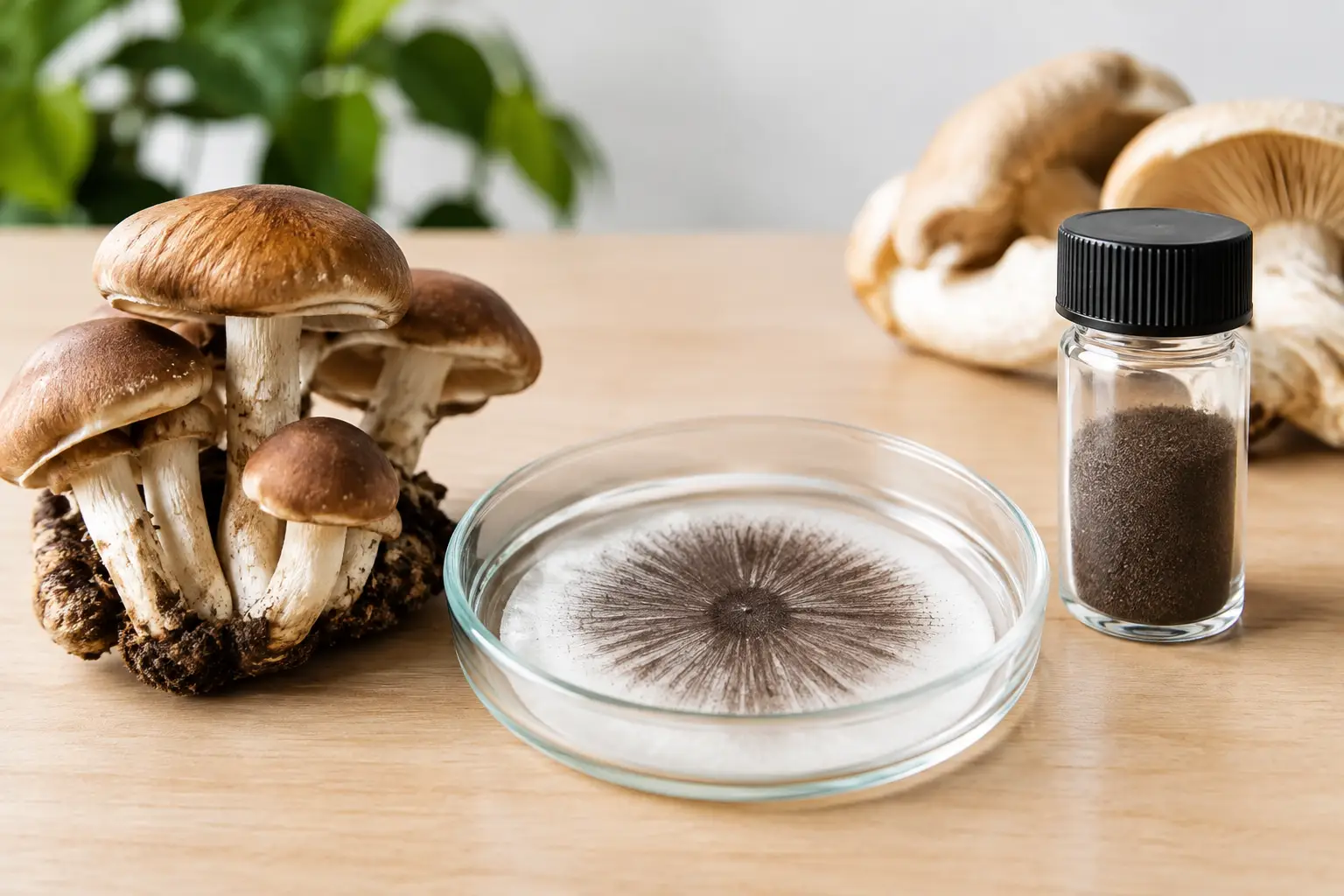
A spore print may look like a simple piece of mycology gear, but the law can treat it very differently depending on where you live and what you plan to do with it. So, are mushroom spores legal? In much of the United States, spores can be legal to possess and purchase for lawful purposes such as microscopy, taxonomy, education, and collecting. That answer is not a blanket green light, though. State law, local rules, the species involved, and intended use all matter.
For collectors and microscopy-focused buyers, the practical takeaway is straightforward: know your location’s rules before ordering, read product descriptions carefully, and do not assume that an item sold online is automatically permitted where you live.
Are Mushroom Spores Legal Under Federal Law?
At the federal level, mushroom spores are generally treated differently from mature mushrooms or active cultures because spores often do not contain the scheduled compounds associated with certain species. This is why spore syringes and prints may be sold for microscopy, research, and identification in many parts of the country.
But the distinction has limits. Federal law can look beyond the item itself and consider intent. If evidence indicates that spores were obtained or used to produce a prohibited substance, that can create serious legal exposure. A label stating “for microscopy use” is not a personal legal shield if conduct tells a different story.
The cleanest way to understand the federal baseline is this: spores may be lawful as inert research or collector material, while actions taken after purchase can change the legal picture. That is also why reputable product listings identify intended use and why buyers should take those limits seriously.
State Laws Can Be More Restrictive
Federal treatment is only one layer. States can pass stricter rules around possession, sale, shipping, or transfer of spores connected to certain mushroom species. Some jurisdictions specifically address spores, while others use broader language covering materials capable of producing prohibited mushrooms.
This is where online shoppers can get tripped up. A product may be available from a seller based elsewhere, yet restricted at the delivery address. Retail availability is not the same thing as local permission. The buyer is still responsible for understanding the laws that apply where the product will be received and possessed.
Laws also change. A statute, court decision, or local enforcement policy can alter the answer without much notice. If you live in a state known for strict controlled-substance laws, do not rely on an old forum post, a social media comment, or another buyer’s experience from years ago.
Why Species and Product Format Matter
Not every mushroom product belongs in the same legal category. A dry spore print, a spore syringe, an edible culture, grain spawn, and a ready-to-inoculate product can raise different questions. The species matters, but so does the format and whether the material is considered inert or biologically active.
Edible cultures are typically purchased for lawful food cultivation, but buyers should still confirm that the species and product are correctly identified. Specialty or exotic listings deserve the same attention. A recognizable strain name may be useful to experienced enthusiasts, yet it does not replace checking the underlying species, product description, and applicable law.
That product-level difference is especially relevant when comparing a spore print with a ready-to-inoculate item. They may sit near each other in a catalog, but they are not interchangeable from either a cultivation or compliance standpoint.
Intent Is Not Fine Print
The phrase “for microscopy purposes” is common because microscopy is a legitimate and valuable use for spores. Studying spore shape, color, size, and structure is part of real mycological observation. Prints and syringes can also be collectible materials when handled within the law.
Still, intended use is more than a checkout-box formality. Buyers should only purchase products for uses permitted in their jurisdiction. Sellers may restrict shipments to certain states, decline orders based on location, or set product-specific policies to keep their catalog aligned with applicable rules.
For the Mycelium Network community, that means treating compliance as part of the hobby. The same care used to compare syringe formats, inspect a print, or choose an edible culture should apply to researching what you can legally own and use where you live.
A Smart Pre-Order Legal Check
You do not need to become a legal scholar before buying microscopy supplies, but you do need current, location-specific information. A quick check is worthwhile whenever you are looking at a species that may be regulated or a product that is more than a basic print or syringe.
Before placing an order, verify four things:
- Your state law on possession and purchase of the specific type of spores or culture.
- Whether your city, county, campus, workplace, or housing arrangement has additional restrictions.
- The seller’s shipping policy for your destination and the exact product format.
- Whether you can honestly use the product only for a lawful purpose in your jurisdiction.
Start with the official website for your state legislature or a current government source. If the statutory language is unclear, especially if you are considering a restricted species or a live culture, speak with a qualified attorney licensed in your state. General articles can help you frame the question, but they cannot provide a reliable personal legal answer.
Shipping Does Not Eliminate Location Rules
Online ordering makes specialty mycology supplies easier to find, but shipment across state lines adds another consideration. The legality of shipping can depend on the origin, destination, product category, carrier requirements, and the laws of every place involved. A package crossing a border does not bypass the laws at the address on the label.
International orders require even more caution. Customs rules may be stricter than domestic rules, and a product that is lawful to buy in the United States may be restricted, seized, or prohibited in another country. Buyers should check destination-country regulations before ordering and should never ask a seller to mislabel products or documentation.
For sellers, transparent restrictions are a sign of a serious operation, not an inconvenience. For buyers, respecting those boundaries protects the wider mycology community and helps keep legitimate microscopy and edible-cultivation supplies accessible.
Common Misunderstandings About Spore Legality
One common mistake is believing that spores are legal everywhere because they are widely sold online. They are not. Another is assuming a product is legal simply because it does not contain an active compound at the moment of purchase. Legal analysis may include intent, state-specific definitions, and what the product can become under certain circumstances.
It is also easy to confuse “decriminalized” with “legal.” Those terms do not mean the same thing. A change in enforcement priorities or penalties may not make possession, sale, transport, or cultivation lawful. Read the actual rule that applies to your location rather than relying on headlines.
Finally, do not treat broad product categories as interchangeable. A microscopy spore syringe and an edible culture may serve very different lawful purposes, require different handling, and fall under different rules. Accurate labeling and a clear understanding of the product are part of responsible purchasing.
Buy With Curiosity and Clear Boundaries
Mycology rewards careful observation. The same mindset belongs in the buying process: identify the product, understand the intended lawful use, and check the rules before it reaches your door. When the legal answer is uncertain, pause the order and get a current answer from an official source or qualified local counsel. That small bit of diligence keeps your focus where it belongs – learning, collecting, and enjoying the fascinating world of fungi responsibly.