
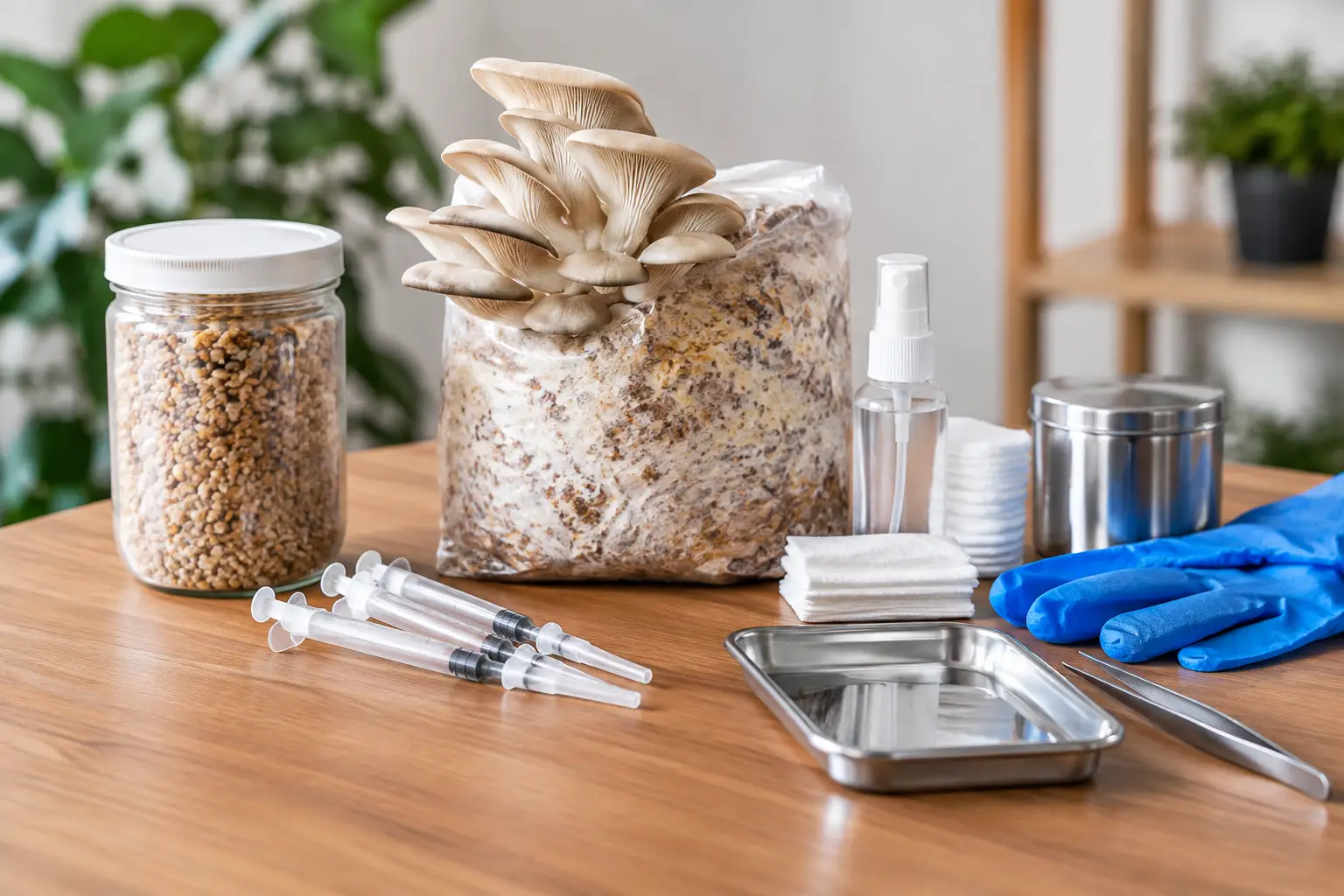
A ready-to-inoculate kit can remove the most frustrating part of a mushroom project: assembling clean materials from multiple sources and hoping they work together. The best ready to inoculate kits give growers a dependable starting point, whether the goal is a small gourmet grow, culture expansion, or a clean microscopy-focused project. The right choice is less about flashy packaging and more about fresh materials, clear specifications, and a format that matches how you prefer to work.
For growers who already know their way around a syringe, culture, or agar plate, these kits save time without taking control away. For newer hobbyists, they offer a more approachable path into cultivation supplies without needing to build a full lab setup on day one.
What Makes the Best Ready to Inoculate Kits?
Ready-to-inoculate does not describe one single product. It can mean sterilized grain, a combined grain-and-substrate bag, prepared agar plates, or bulk substrate that is ready for colonized grain. Each format serves a different point in the process, so the best kit depends on what you are introducing and what you want to do next.
A quality kit starts with clean, properly hydrated material. Grain should have enough moisture to support healthy growth without becoming wet, compacted, or overly starchy. Substrate should arrive properly prepared and sealed. Agar plates should be poured evenly, free of visible condensation issues, and packaged to prevent damage in transit.
Freshness matters just as much as the ingredient list. Sterile materials are not meant to sit indefinitely in a warm closet. Check the seller’s storage guidance, inspect packages on arrival, and use them within the recommended window. A well-made kit still needs sensible handling once it reaches your door.
Clear product details are another strong sign. Look for the bag or container size, material type, filter information where applicable, and whether the product is sterilized or pasteurized. Vague listings make comparison difficult. A useful product page tells you what you are buying without forcing you to guess.
Choose the Format That Fits Your Project
Sterilized grain bags for flexible setups
Sterilized grain bags are a go-to choice for growers who want flexibility. Grain provides a nutrient-rich foundation for expanding a legal edible culture before moving it to a fruiting substrate. Common options can vary by availability and grower preference, but the real decision is usually bag size and how much material you intend to run at once.
Smaller bags make sense when you are testing a new edible culture, keeping projects separated, or working with limited space. Larger bags can be more efficient for experienced growers, but they also put more material behind a single inoculation point. If something goes wrong, the loss is bigger. That trade-off is worth considering before automatically choosing the largest option.
When comparing grain bags, examine the filter patch and seal quality. The filter allows gas exchange while maintaining a protected environment. A durable bag with a properly placed filter is not a cosmetic detail. It supports a healthier, more manageable project from the start.
All-in-one bags for simplicity
All-in-one bags combine nutritious grain with a prepared substrate layer in a single bag. They are popular with home growers who want fewer transfers, fewer containers, and a more compact workflow. For a straightforward edible mushroom project, that convenience can be a real advantage.
The trade-off is flexibility. Because the ingredients are already combined in one system, you have less control over ratios and fewer opportunities to adjust the process later. These kits are often best for growers who value simplicity and a cleaner workspace over custom setup options.
A good all-in-one bag should have enough room to work the contents after healthy growth has spread, while still maintaining a solid seal and functional filter. Look for a bag designed for its actual fill volume, not one packed so tightly that it becomes difficult to handle.
Prepared agar plates for clean culture work
Agar plates are ideal when the project calls for observation and selection. They let growers examine culture growth closely before transferring clean material to grain. For hobbyists who enjoy the detail-oriented side of mycology, prepared plates can be one of the most useful ready-to-inoculate products available.
The best prepared plates are consistent, clearly labeled, and securely packed. Plate color is less important than cleanliness and the intended use of the media. Some media formulas are designed for general culture work, while others are chosen for specific observation or isolation goals.
Agar requires more careful technique than simply working with a sealed bag. It is not necessarily the easiest place to begin, but it can be the smartest upgrade for growers who want to understand what is happening in their cultures rather than relying on guesswork.
Bulk substrate for the next stage
Prepared bulk substrate is not usually the first material to inoculate directly. Instead, it is used after grain has been fully colonized with a suitable legal edible culture. It is still an important part of a ready-to-go supply lineup because it saves time and helps keep a grower’s materials consistent.
Substrate blends vary in texture, nutrient level, and moisture retention. There is no universal winner. A dense, nutrient-rich blend may suit one species well, while another may perform better with a lighter, more moisture-balanced option. Match the substrate to your culture and your environment rather than buying solely on price.
How to Choose the Best Ready to Inoculate Kits
Start by deciding how much control you want. If you want a compact, low-fuss project, an all-in-one bag may be the better fit. If you enjoy working in stages and want to expand cultures across several projects, grain bags and prepared substrate offer more flexibility. If clean culture selection is the priority, agar plates belong in the cart.
Next, buy an amount that matches your experience and available space. More material is not always better. A smaller, manageable setup helps you learn the rhythm of your environment, including temperature swings, workspace habits, and how quickly you can inspect your materials. Once you have a process you trust, scaling up becomes much less wasteful.
Packaging deserves a close look. A ready-to-inoculate product should arrive intact, with no torn bags, leaking moisture, broken seals, or obvious damage. Inspect everything before beginning. If a package looks compromised, do not assume it is fine because the contents appear normal from the outside.
Finally, consider the seller’s catalog as a whole. A supplier that carries cultures, sterile materials, and cultivation essentials makes it easier to keep your projects organized without chasing compatible products across several shops. Myceli Nation brings that convenience into one mycology-focused storefront, with options suited to collectors and gourmet growers who prefer to shop by format instead of sorting through unrelated supplies.
Small Habits That Protect a Good Kit
Even premium materials cannot make up for rushed handling. Set up your workspace before opening anything, clean the work surface, and avoid working around fans, open windows, pets, or unnecessary movement. Keep supplies within reach so you are not searching for tools halfway through the process.
Use clean handling practices every time, not just on the first project. It is tempting to cut corners when a task feels familiar, but consistency is what separates a repeatable routine from a lucky result. Label each bag, plate, or container with the date and culture information as soon as you begin. Future you will appreciate it.
Patience also matters. Do not keep opening or moving materials simply to check progress. Observe through the container when possible, follow the product’s storage guidance, and give the project time to develop. Healthy work is often quiet and uneventful, which is exactly what you want.
The best kit is the one that supports your actual workflow, not the one with the biggest promise on the label. Start with clean materials, choose a format you can manage confidently, and let each project teach you what to try next.