
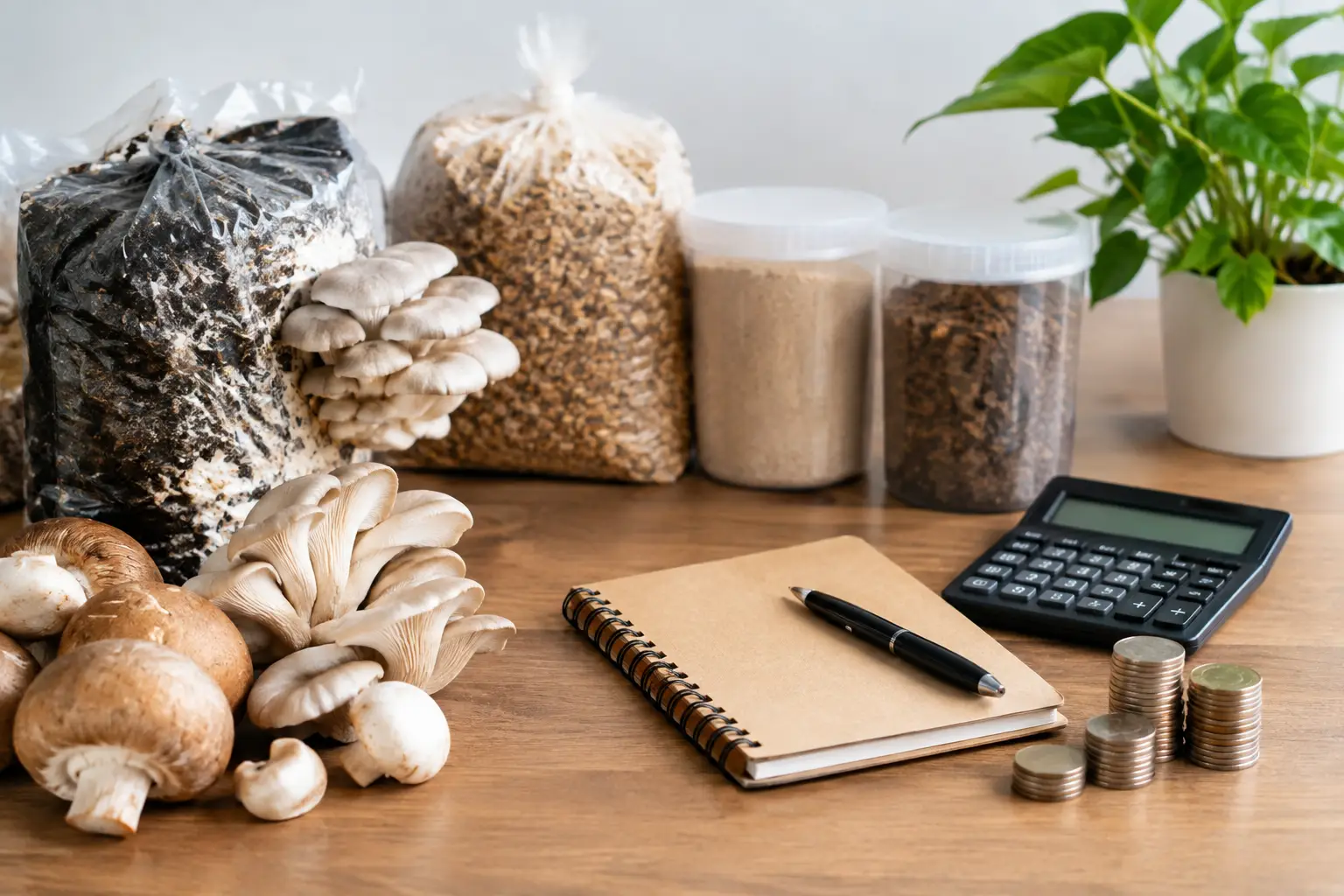
A good grow setup rarely gets expensive because of one major purchase. It gets expensive when a cart fills with duplicate tools, oversized bags of materials, and upgrades that do not match the stage you are actually at. This mushroom supply budget guide is built for cultivators who want to buy with purpose, whether they are starting with edible cultures, building out a reliable fruiting area, or restocking a setup that already works.
The goal is not to buy the cheapest gear available. It is to put your money into supplies that reduce waste, support clean work, and make the next run easier to manage. Your ideal budget depends on your space, workflow, and what you plan to grow, but a few spending rules apply to nearly every setup.
Start With the Grow You Can Actually Maintain
Before setting a number, decide what your next cultivation cycle looks like. A small shelf setup for one or two projects needs a very different supply list than a recurring gourmet mushroom operation. The most common budget mistake is buying for an imagined future scale before mastering a manageable process.
Set a simple target: how many cultures or projects do you want to run at once, where will they live, and how much time can you give them each week? Once those answers are clear, every item in your cart should support that plan.
For example, a cultivator working with a few ready-to-inoculate products may need only basic clean-work supplies, labels, storage, and fruiting materials. Someone preparing their own grain or substrate will need a larger upfront budget for processing equipment and consumables. Neither route is automatically better. Buying prepared materials can cost more per project but save time and reduce the number of variables you need to control.
Build Your Budget Around Four Supply Groups
A practical mushroom budget is easier to control when supplies are separated by how often you need to buy them. Some purchases last for years. Others disappear after one grow cycle.
1. Genetics and starting material
Spores, spore prints, cultures, and ready-to-inoculate products belong here. This is often where people are tempted to collect more than they can use. Variety is part of the fun, but a drawer full of neglected genetics is not a budget strategy.
Choose a small number of projects with clear goals. You might select an edible culture you want to grow repeatedly, plus a print or syringe for microscopy and collection. If you are still learning your environment, focusing on fewer varieties makes it easier to identify what is working. Bundles can be a strong value when every item fits your plan, not just because the price per item looks lower.
2. Reusable equipment
This category includes tubs, shelving, a pressure cooker or sterilizer if your process calls for one, storage containers, spray bottles, lighting, thermometers, hygrometers, and clean-work tools. These items deserve research because a poor-quality reusable purchase can cost more than a dependable option over time.
Do not confuse reusable with mandatory. A new grower does not need every monitoring device on the market. Start with equipment that gives you control over your actual conditions. If your grow space is stable, a basic thermometer and humidity reader may be enough. If temperatures fluctuate heavily, climate control may be a more meaningful upgrade than another set of tubs.
3. Per-run consumables
Grain, substrate components, bags, jars, filters, gloves, alcohol, labels, tape, liners, and cleaning supplies create the recurring cost of cultivation. This is where a budget becomes real. A low startup cost means very little if each run uses materials inefficiently.
Price these supplies by project, not just by package. A large bag of material may seem inexpensive, but it is only a bargain if you can store it properly and use it before quality drops. Smaller quantities can be the smarter buy when you are testing a method or working in limited space.
4. Loss prevention and organization
This group is easy to skip because it does not look exciting in a product lineup. Yet labels, date markers, containers, shelving, cleaning products, and a basic notebook can protect more of your investment than a flashy add-on.
Track what you inoculated, when you started it, what materials were used, and what happened next. That record turns an unsuccessful run into useful information instead of an expensive mystery. Organization also prevents duplicate purchases, forgotten cultures, and supplies that expire at the back of a cabinet.
A Mushroom Supply Budget Guide by Spending Priority
If your budget is tight, spend first on cleanliness, dependable starting materials, and the core materials needed for one complete project. Resist the urge to spread a small amount of money across five different experiments. One well-supported run teaches more than several underfunded ones.
A sensible order of priority looks like this:
- Clean-work and sanitation supplies that help protect your process.
- Genetics or cultures matched to your goals and experience level.
- The required substrate, grain, containers, or ready-to-use materials for a complete run.
- Simple environmental monitoring for the space you already have.
- Convenience upgrades, extra varieties, and scale-focused equipment.
That final category is where budgets usually drift. An impulse upgrade is not always bad, especially when it solves a repeated problem. The question is whether the item will save time, reduce losses, or improve consistency within the next few cycles. If the answer is no, leave it on the future list.
Use a Three-Tier Budget Instead of One Hard Number
A single budget number can be misleading because cultivation has both startup and recurring costs. Build three numbers instead: a starter amount, a working amount, and a reserve.
Your starter amount covers the equipment and materials needed to complete one full project. Your working amount covers the supplies you expect to replace over the next two or three cycles. Your reserve is for the surprise expense that always shows up, whether that is a replacement container, extra cleaning supplies, or a material you underestimated.
Keeping a reserve changes how you shop. Rather than spending every dollar on the initial cart, you preserve room to correct course. That flexibility matters more than owning every accessory on day one.
For a small hobby setup, reusable equipment may take the largest share at first. Once those basics are in place, consumables and starting materials become the main ongoing costs. For a more advanced home workflow, processing equipment can raise the initial spend, but it may lower the per-run cost over time. It depends on how often you grow and whether you genuinely enjoy preparing materials yourself.
Know When Bundles Save Money and When They Do Not
Bundles are useful when they remove friction from a planned purchase. A multi-pack of supplies can simplify restocking, and a curated genetics bundle can give collectors or microscopy-focused buyers more range for less than buying each item separately.
The trade-off is commitment. A bundle is not a deal if half of it sits unused, or if it pushes you to start more projects than your space can support. Check the unit value, but also ask whether you will use every component within a reasonable timeframe.
This is where shopping by category helps. Start with the category that solves your immediate need, then compare individual items against bundles that include the same items. Myceli Nation shoppers can keep this process straightforward by building a cart around one cultivation goal rather than browsing every fan favorite at once.
Keep Your Cost Per Grow Honest
Once you have completed a few runs, calculate a rough cost per project. Include consumables, starting material, shipping, and the portion of reusable gear you expect to use over time. You do not need perfect accounting. A simple estimate will show where your money is going.
If cost per grow is higher than expected, look for waste before buying cheaper supplies. Are you purchasing too much material at once? Are you replacing items that could be cleaned and reused? Are you running several small projects when one properly sized project would fit your space better? Small adjustments often create more savings than chasing the lowest sticker price.
Also separate a learning cost from a recurring cost. Early attempts may involve extra materials, new tools, and mistakes that will not repeat forever. Treat those expenses as part of building your process, then reassess after you have enough notes to see patterns.
Plan the Next Purchase Before You Need It
The best supply budget is not a one-time spreadsheet. It is a restock rhythm. After each cycle, note what ran low, what was unused, and what created friction. Keep a short list of essentials that should be replaced before they become urgent, especially sanitation supplies, labels, and core consumables.
Leave room in the budget for curiosity, too. A new culture, a different format, or a better storage solution can keep the hobby engaging. Just make those purchases after the materials for your current project are covered. A well-planned cart lets you explore more of the mycology world without turning every checkout into a reset button.