Posted on

How to Buy Mushroom Spores Online With Confidence

How to Buy Mushroom Spores Online With Confidence

A spore listing can look simple until you are comparing formats, strain names, pack sizes, shipping terms, and availability across several storefronts. When you buy mushroom spores online, the best choice is rarely just the lowest price. It is the listing that clearly tells you what you are receiving, fits your intended legal use, and comes from a seller that understands the products well enough to organize them properly.

For collectors, microscopy-focused buyers, and gourmet cultivation enthusiasts, online shopping opens up far more variety than a general garden supplier can offer. The trade-off is that you need to evaluate the shop, the format, and your local rules before checking out. A smart purchase starts with knowing what matters.

Buy Mushroom Spores Online by Starting With the Format

The first decision is not always the strain. It is the format that makes the most sense for your collection, research setup, or edible cultivation plans. Spore syringes, spore prints, and ready-to-inoculate products serve different needs, and treating them as interchangeable can lead to a disappointing order.

A spore syringe is a popular choice because it is compact, clearly portioned, and easy to store according to the seller’s handling guidance. For microscopy work, it gives you a liquid sample that can be observed and compared with minimal extra preparation. Buyers who already know the varieties they like often prefer syringes because browsing and reordering is straightforward.

Spore prints are especially appealing to collectors and microscopy enthusiasts who value the physical presentation of a sample. A quality print should be packaged with care and identified clearly. The format also makes it easier to build a reference collection across distinctive varieties without committing to a large bundle of any one selection.

For legal edible mushroom cultivation, live cultures and ready-to-inoculate products are often the more direct option. These products are designed for growers who want to work with recognized gourmet varieties rather than begin with spores. Read each product description closely, since handling expectations, shelf life, and storage needs can differ from one culture to the next.

Read Product Descriptions Like a Mycologist

A strong listing does more than give a catchy name and a product photo. It identifies the product format, states the quantity or size, explains what is included, and gives practical information about storage or shipping. That level of detail helps you compare like with like.

Start with the basics. Confirm whether the listing is for a syringe, print, culture, bundle, or another product type. Check the listed volume or count rather than assuming two similarly priced items contain the same amount. If the product is part of a pack, look for the exact varieties included and whether substitutions may occur when inventory changes.

Strain names can be useful shorthand, but they are not a substitute for a complete description. Golden Teacher, B+, Blue Meanie, and Lizard King are recognizable names within specialty mycology circles, yet the individual listing should still tell you the actual format and provide accurate product information. A well-organized catalog makes it easier to shop by category, compare fan favorites, and find the product you intended to purchase.

Photos matter, but they should support the description rather than carry it. Clear images of packaging, prints, labels, or product bundles can show that a seller puts care into presentation. Still, written details are what protect you from ordering the wrong item.

Check Local Rules Before You Place an Order

Mushroom-related laws and regulations are not uniform. They can vary by country, state, province, and city, and they may apply differently depending on the species and intended use. Before ordering, confirm that possession, purchase, shipment, and use are permitted where you live.

This is not a formality to skip at checkout. A responsible buyer understands local requirements before placing an order and uses products only in lawful ways. International shoppers should be especially careful: customs rules, import restrictions, and delivery timelines can differ sharply from domestic shipping.

A reputable specialty retailer should communicate shipping coverage and any relevant ordering limitations clearly. If a policy is unclear, do not make assumptions based on a forum post or a product available elsewhere. Rules change, and the location that matters is yours.

What Separates a Good Spore Shop From a Random Listing

The internet makes niche products easy to find, but not every seller offers the same shopping experience. A reliable mycology storefront feels intentional. Categories are clear, product names match the descriptions, and the catalog does not force you to guess whether an item is a print, syringe, or culture.

Inventory breadth is also valuable when it is organized well. A shop with individual options, multi-packs, edible cultures, and cultivation supplies lets you compare formats in one place instead of piecing together an order from several unknown sources. Bundles can be a good value for collectors who want variety, but only when the included products are listed plainly.

Look at the store’s overall signals of specialization. Does it provide useful educational content alongside products? Are best sellers and category pages easy to browse? Is there a clear way to understand shipping expectations and contact the business? A focused retailer such as Myceli Nation builds trust by making the path from discovery to selection less fragmented.

Avoid listings that rely on vague claims, unclear photos, or urgency without details. A discount is only useful if you understand exactly what you are purchasing. The better move is usually to choose a transparent seller and a product format that matches your purpose.

Compare Value Beyond the Sticker Price

A single low price can be misleading. Consider the product amount, packaging, selection, shipping cost, and whether the seller offers a bundle that genuinely fits your interests. A collector buying multiple distinct varieties may get better value from a thoughtfully assembled pack than from several separate orders. Someone focused on one edible culture may be better served by a single, clearly labeled option.

Shipping deserves its own comparison. Check whether the shop ships to your location, how orders are packaged, and what the stated processing window is. For international orders, factor in the possibility of delays and review the destination’s import rules before purchasing. Fast shipping is helpful, but accurate fulfillment and appropriate packaging matter more.

Do not overbuy simply because a promotion is running. Spores, prints, cultures, and other mycology products have different storage considerations. Order an amount you can store properly and use lawfully within the product’s recommended timeframe. Buying with a plan is more useful than filling a cart with options you have not researched.

Build a Better First Order

If you are new to specialty mycology shopping, keep your first order focused. Choose one or two formats you understand, read the listings fully, and confirm the seller’s shipping policy before payment. This gives you a clear baseline for future purchases and prevents the common mistake of ordering a product that does not match your intended use.

Experienced buyers can take a more curated approach. Use category pages to compare familiar names, explore a new print for a collection, or add an edible culture alongside the supplies you already need. The goal is not to chase the biggest catalog. It is to build a selection that is useful, legal, and easy to keep organized.

The right online order should feel considered, not rushed. Choose clear product information over hype, verify local rules before checkout, and let your actual interest in mycology guide the cart. That is how a specialty purchase becomes part of a collection or cultivation setup you are genuinely excited to return to.

Posted on

Golden Teacher vs B Plus: A Clear Comparison

Golden Teacher vs B Plus: A Clear Comparison

Golden Teacher and B+ are two names that show up constantly in spore collections, product searches, and collector conversations. In the golden teacher vs b plus comparison, the useful question is not which name has the bigger reputation. It is what those labels can realistically tell you about a specimen, a print, or a microscopy-ready sample – and what they cannot.

Both are familiar favorites because they are widely recognized, visually distinct in many reported examples, and easy to place within a broader collection. But strain names are shorthand, not a laboratory guarantee. For collectors and microscopy-focused buyers, that distinction is where a smart comparison starts.

Golden Teacher vs B Plus at a Glance

Golden Teacher is one of the most recognized names in the hobby. It is commonly associated with warm golden caps, a classic broad-stemmed profile, and a long-running reputation in mycology communities. Its name has become so established that it often serves as a reference point when collectors begin building a catalog of familiar varieties.

B+, written with the plus sign, has a similarly durable place in the market. Reported examples are often described as having light caramel to golden coloration, pale stems, and a generally classic appearance. The B+ name is especially common in starter collections because it is recognizable without being obscure or difficult to compare against other catalog labels.

The overlap matters. Both names are used for specimens that can share many broad visual traits. A product label may help organize a collection and communicate seller provenance, but it should not be treated as a promise that every sample will present identically under observation.

Appearance Is a Starting Point, Not Proof

When people compare Golden Teacher with B+, cap color is usually the first point of discussion. Golden Teacher is often expected to lean toward yellow-gold or ochre tones. B+ is frequently described with tan, caramel, or light brown coloration. In practice, color can shift with age, handling, storage, lighting, and natural variation.

Stem shape and overall proportions can also vary. One sample may appear sturdy and compact while another from the same labeled line looks taller or more slender. That is not necessarily evidence of a mislabeled product. Biological material is variable, and names used in the hobby do not function like a fixed visual template.

For microscopy work, spore characteristics and sample condition are more useful than internet photo matching. A clean, clearly labeled print or syringe gives a collector a better starting point than a dramatic image with no provenance. If you are comparing products, prioritize seller clarity, format, packaging standards, and the information provided with the item.

What the Names Usually Mean

Golden Teacher and B+ are trade names used across the specialty mushroom space. They carry community recognition, historical associations, and familiar merchandising value. They are helpful when you want to browse a catalog, compare available formats, or maintain a record of what is in your collection.

They do not, on their own, establish a formal genetic identity. Different vendors may work from different source material, and a name can persist through years of sharing, selection, and retelling. That is why two products carrying the same label may not look perfectly alike, especially when compared across sources.

This does not make the labels useless. It simply means they should be read in context. A reputable product listing should make the format clear, use consistent naming, and avoid pretending that a familiar strain name erases biological variation. Good cataloging supports better collecting.

Choosing the Right Format for Your Collection

The Golden Teacher vs B+ decision can be less about choosing a winner and more about choosing the format that fits your purpose. A spore print is a compact, classic option for collectors who value long-term storage and direct microscopy preparation. It also makes a strong addition to a physical archive because the label, date, and source can be documented alongside the print.

A spore syringe is often preferred by buyers who want a convenient, ready-to-observe format. The key is proper labeling and careful handling. Check that the product name, volume, and storage guidance are clearly presented before adding it to your collection.

For buyers looking at bundles, pairing Golden Teacher and B+ can make sense precisely because they are both familiar names with slightly different reported visual profiles. A two-variety set provides a more useful comparison than ordering duplicate labels from unrelated sources and expecting a controlled result.

Myceli Nation serves The Mycelium Network with recognizable varieties, collector-friendly formats, and category browsing that makes it easier to locate what belongs in your next order. Whether you are building a focused archive or exploring fan-favorite names, product transparency should remain the deciding standard.

Reputation Versus Reliable Comparison

There are plenty of strong opinions around these two names. Golden Teacher is often treated as an iconic selection, while B+ is frequently described as an approachable classic. Those reputations help explain demand, but they are not a scientific comparison and should not be used to authenticate a sample.

A more reliable comparison asks practical questions. Is the seller consistent in its naming? Is the product format appropriate for your intended microscopy or collection use? Is the item stored and shipped with care? Are you able to keep a record of the source, purchase date, and label?

Those details create a collection with real reference value. They also make future comparisons more meaningful. Instead of relying on memory or forum lore, you can examine samples with known sourcing and documented handling.

Common Questions About Golden Teacher and B+

Is Golden Teacher better than B+?

Neither is automatically better. They are both popular, recognizable labels with broad appeal among collectors. The better choice depends on whether you prefer a particular reported appearance, want a specific name in your archive, or are selecting a format that complements what you already own.

Can you identify them by appearance alone?

No. Broad visual descriptions can be useful for discussion, but they cannot provide definitive identification. Natural variation, environmental conditions, handling, and the limits of informal strain naming all affect how a specimen may appear.

Why do listings for the same name look different?

Source history and product photography can differ substantially between sellers. Lighting alone can change how cap color reads in a photo. Differences in sample age, preparation, and storage can add even more variation, so compare listing details before comparing images.

Should a collector own both?

If your goal is a well-rounded collection of recognized names, owning both can be worthwhile. Golden Teacher and B+ are familiar enough to serve as useful catalog anchors, while their individual histories and reported traits give you two distinct points of reference.

The best collection is not built around hype or a single “best” label. Choose products with clear provenance, preserve your records, and let your own careful observations give Golden Teacher and B+ their place in the collection.

Posted on

Golden Teacher Spore Syringe Review for Collectors

Golden Teacher Spore Syringe Review for Collectors

A Golden Teacher spore syringe review should start before the package is opened. For collectors and microscopy-focused buyers, the value is not in a flashy strain name alone. It is in whether the syringe arrives properly identified, professionally packaged, and backed by a seller that makes the buying process clear from product page to delivery.

Golden Teacher remains a familiar name across specialty spore catalogs because it is recognizable, widely requested, and easy to find alongside other fan-favorite varieties. That popularity also makes it worth shopping with a sharper eye. A quality review looks beyond the label and considers presentation, traceability, ordering details, and whether the vendor treats its customers like informed members of the mycology community.

Golden Teacher Spore Syringe Review: What Matters

A spore syringe is a straightforward format: spores suspended in sterile water and supplied in a sealed syringe. Its appeal is convenience. Compared with a print, it is compact, ready for microscopy preparation, and generally easier for buyers who prefer an organized, single-item format over handling loose materials.

The first point in any fair Golden Teacher spore syringe review is that visual appearance has limits. A clear-looking solution is not automatically a measure of quality, and visible specks are not a reliable stand-in for a proper microscopic assessment. Spores can be difficult or impossible to judge by eye in a sealed syringe. What buyers can reasonably evaluate is the condition of the packaging, the clarity of product information, and the care evident in fulfillment.

Labeling Should Be Specific, Not Vague

A useful label identifies the variety and gives the buyer confidence that the item was packed intentionally rather than pulled from an unmarked bin. At minimum, the variety name should be easy to read and match the order confirmation. Clear labeling matters even more when several syringes are ordered together, especially if a collector is building a varied library of recognizable names and less common selections.

Lot or batch information can be a positive sign when a seller provides it, but not every specialty retailer uses the same system. The practical standard is consistency. Product name, quantity, and packaging should align with what was advertised, while customer support should be reachable if anything arrives mislabeled or incomplete.

Packaging Reveals a Lot About the Seller

The syringe itself should arrive protected from unnecessary pressure, leaks, and rough handling in transit. A cap or protective covering, secure containment, and a package that prevents the item from moving around are basic signs of careful fulfillment. This is not glamorous, but it is where a dependable supplier separates itself from a casual listing.

Discreet, efficient shipping is also part of the experience. Buyers should be able to find shipping expectations before checkout, including available destinations, order processing details, and any weather or carrier considerations that may affect timing. Worldwide availability can be a major advantage for a specialty shop, but transparent shipping information is what makes that reach genuinely useful.

What the Golden Teacher Name Can and Cannot Tell You

Golden Teacher has strong name recognition, but strain names should be treated as catalog identifiers, not as a guarantee of a uniform biological outcome. Spores naturally carry variation. For microscopy enthusiasts, that is part of the appeal: each sample is a biological material to observe, document, and compare rather than a perfectly standardized consumer good.

That distinction is useful when reading customer feedback. A review that only says “great genetics” without describing packaging, labeling, order accuracy, or microscopy context does not tell a buyer much. More useful feedback explains whether the item arrived as described, whether the seller communicated clearly, and whether the sample was suitable for the reviewer’s lawful intended use.

A good vendor should also avoid making inflated claims around a popular name. The best product pages are specific without being theatrical. They identify the format, the variety, the quantity, and the purpose of the item while setting realistic expectations for buyers who understand the nature of spore materials.

Why Syringe Format Is a Popular Choice

For many collectors, the choice between a spore syringe and a print comes down to handling preference. Prints have their own appeal, especially for archiving and display-minded collectors. Syringes, meanwhile, provide a tidy, self-contained format that can be stored and organized with less fuss.

A Golden Teacher syringe is often a sensible pick for someone placing a mixed order. It pairs naturally with other recognizable varieties, allowing buyers to compare labels, formats, and vendor consistency across a single shipment. Bundles can be appealing here, provided the discount does not come at the expense of clear product descriptions or the ability to identify each item after it arrives.

There is a trade-off, though. A syringe is not a format that can be meaningfully judged through marketing photos. The strongest purchase signal is the seller’s track record for precise fulfillment, protective packing, and transparent policies. When comparing products, give more weight to those practical details than to dramatic product copy.

How to Evaluate a Seller Before Ordering

The product page should answer basic questions without forcing buyers to hunt for them. Look for a clear variety name, format description, quantity, price, stock status, and shipping information. A dedicated mycology storefront should also make it simple to browse related categories, whether the buyer is interested in prints, edible cultures, supplies, or other specialty offerings.

Customer service is equally relevant. Specialty products sometimes require order questions, address corrections, or help identifying what was received. A seller that offers accessible support and straightforward policies gives buyers a better experience than one that relies on vague claims and hard-to-find contact details.

Community signals matter, too, but they should be read carefully. An active educational presence, a newsletter, repeat customers, and a well-organized catalog can suggest that a shop is invested in the space for the long term. They do not replace product-level scrutiny, but they can help buyers distinguish a dedicated retailer from a short-lived storefront.

For buyers looking for broad selection, Myceli Nation positions its catalog around that convenience: recognizable favorites, specialty options, and mycology supplies in one place. The practical benefit is less time moving between fragmented sellers and more time comparing formats that fit your collecting or microscopy interests.

A Balanced Verdict for Prospective Buyers

Golden Teacher spore syringes remain popular because they are familiar, convenient, and easy to include in a broader specialty order. The format works well for buyers who value clean organization and straightforward product identification. Still, no review should treat a familiar name as a substitute for careful purchasing.

The best choice depends on what you value most. If you prioritize a compact, ready-to-use microscopy format, a clearly labeled syringe may be the right fit. If archival presentation is more important, a print may deserve a closer look. If you are building out a collection, a mixed bundle can offer variety, but only when every item is identified and the seller’s policies are easy to understand.

Before ordering, confirm that the product is lawful to possess and use where you live, review the seller’s shipping terms, and keep your expectations grounded in what a syringe can actually reveal before microscopy. A thoughtful purchase starts with a simple standard: choose the supplier that makes the details easy to verify, not the one that makes the biggest promises.

Posted on

Best Mushroom Spore Strains for Your Collection

Best Mushroom Spore Strains for Your Collection

A strain name can make a spore listing feel simple: pick the fan favorite, choose a syringe or print, and check out. But the best mushroom spore strains are not one universal ranking. The right choice depends on whether you are building a microscopy collection, comparing morphology, shopping for a recognizable classic, or looking for something less common to add to your catalog.

For collectors and microscopy-focused enthusiasts, names such as Golden Teacher, B+, Blue Meanie, and Lizard King have staying power for a reason. They are familiar across the mycology community, easy to compare with other collections, and widely discussed enough that you can develop a sharper eye for the differences that make each sample interesting. The key is knowing what a strain label can tell you – and what it cannot.

What Makes a Mushroom Spore Strain Worth Choosing?

A popular name is a useful starting point, not a guarantee. Spore samples contain genetic variation, so individual observations can differ from one sample to another. That is part of the appeal for microscopy collectors: two samples sold under the same strain name may share a recognizable lineage or community identity while still offering their own details to study.

The best choice usually comes down to three things: recognition, presentation, and purpose. Recognizable strains make it easier to compare notes and organize a collection. Clear, professionally prepared spore formats make handling and observation more convenient. Your purpose determines whether you should stick with a dependable classic, choose a distinctive exotic, or buy a bundle that gives you more variety at once.

It also pays to separate reputation from hype. A strain may be famous because it has been part of the hobby for decades, because it has a memorable name, or because collectors enjoy its visual traits. None of those factors automatically make it the best sample for every buyer. A strong collection has room for staples and curveballs.

Best Mushroom Spore Strains to Know

Golden Teacher

Golden Teacher is one of the most recognizable names in the spore world. For a new collector, it is a natural reference point because it appears so often in community conversations and strain comparisons. For an experienced enthusiast, it remains a reliable classic to keep in rotation.

Its main advantage is familiarity. When you are cataloging samples, a well-known strain gives you a shared language with other hobbyists. The trade-off is simple: because it is such a common pick, it may not satisfy someone whose collection is built around unusual or hard-to-find selections. Think of Golden Teacher as a foundation piece rather than a surprise pick.

B+

B+ has earned fan-favorite status thanks to its long-running recognition among hobbyists. It is a smart choice for anyone who wants a named strain that feels established without defaulting to the most obvious option every time.

Collectors often appreciate B+ as part of a classic lineup alongside Golden Teacher and other widely known varieties. If you are choosing between the two, there is no need to overthink a winner. Pick Golden Teacher for the iconic reference point, or B+ when you want another trusted name with its own place in the community.

Blue Meanie

Blue Meanie is a name that calls for a closer look before you add it to your cart. In mycology, common names can be used inconsistently, and Blue Meanie may refer to different species or lineages depending on the seller and context. That makes product details and accurate labeling especially valuable.

For microscopy collectors, this naming overlap is not a drawback by itself. It can be a reason to pay more attention. Verify exactly what a listing identifies, read the product format, and keep your notes specific. A collection becomes more useful when its labels preserve the distinctions that casual strain talk can blur.

Lizard King

Lizard King brings a little more personality to a collection. It is a recognizable name with a distinct identity, making it a good pick for buyers who have already covered the most common classics and want to expand their range.

The appeal here is balance. Lizard King is familiar enough that it does not feel obscure, yet it gives your catalog a different flavor from the usual Golden Teacher and B+ pairing. It works well as a single selection or as part of a mixed order designed around variety.

APE and Other Specialty Favorites

Specialty names, including APE, are often sought out by collectors who want to move beyond entry-level staples. These selections can be compelling because their reputation is rooted in unusual morphology, strong community interest, or rarity within a particular shop’s lineup.

That said, specialty does not always mean better. It may mean a more specific collecting interest, a smaller availability window, or a higher priority on documentation. If you are new to buying spores, adding one specialty selection alongside two or three established classics is often more satisfying than making your entire order a gamble on unfamiliar names.

Choose the Format That Fits Your Shelf

The strain is only half the decision. Spore syringes and spore prints serve different collecting preferences, and neither is automatically superior.

A spore syringe is a convenient, ready-to-use format that suits buyers who want straightforward handling for lawful microscopy work. It can be an easy choice when you are ordering several varieties and want consistent packaging across your selections. Look for clear labeling, secure packaging, and a supplier that identifies the strain plainly.

Spore prints appeal to collectors who value the traditional format and want something especially suitable for archiving and visual comparison. A well-presented print can feel more like a specimen than a supply item. Prints also make thoughtful additions to a collection built around taxonomy, appearance, and provenance.

If you are unsure where to start, choose one format and stay consistent for your first few purchases. Comparing like with like makes your own records more useful. Once you know whether you prefer the convenience of syringes or the archival character of prints, branching out is easy.

Build a Better Strain Lineup, Not Just a Bigger Cart

A thoughtful first lineup does not need to be huge. Start with two familiar classics, add one distinctive name, and leave room for a specialty pick when something catches your eye. Golden Teacher, B+, and Lizard King create a recognizable spread without feeling repetitive. Blue Meanie can be a great addition when the product identification is clear and you want a sample that encourages more careful comparison.

Bundles can make sense when you want breadth and already know you will enjoy every selection included. They are less useful when one or two strains are only there because the price looks attractive. Variety is valuable when it gives you meaningful points of comparison, not when it creates a drawer full of labels you never revisit.

Keep a simple collection log with the strain name, format, source, date received, and any product-specific identifiers. This small habit turns casual shopping into a collection you can actually navigate months later. It also helps you notice which names, formats, and suppliers you return to most often.

Shop With Clear Labels and Real Curiosity

The strongest spore collections are built with curiosity, not just a chase for the most talked-about name. At Myceli Nation, that means having room for the familiar staples, the specialty favorites, and the formats that make sense for your own mycology shelf. Review local laws before ordering, choose clearly identified products, and let your next strain add a genuine new point of interest to the collection.

Posted on

Mushroom Spore Syringe Guide for Smart Buyers

Mushroom Spore Syringe Guide for Smart Buyers

A mushroom spore syringe guide should do more than tell you which syringe to add to cart. It should help you recognize a well-prepared product, match it to your intended project, and handle it in a way that respects the work that goes into clean mycology. Whether you are building a microscopy collection, starting an edible culture project, or comparing fan-favorite varieties, the small details matter.

A spore syringe is simple in format: sterile water, suspended spores, and a sealed syringe fitted with a needle. But selecting the right one, storing it properly, and working cleanly can make the difference between a confident first attempt and a frustrating mystery. Here is what experienced buyers look for before, during, and after ordering.

What a Mushroom Spore Syringe Actually Is

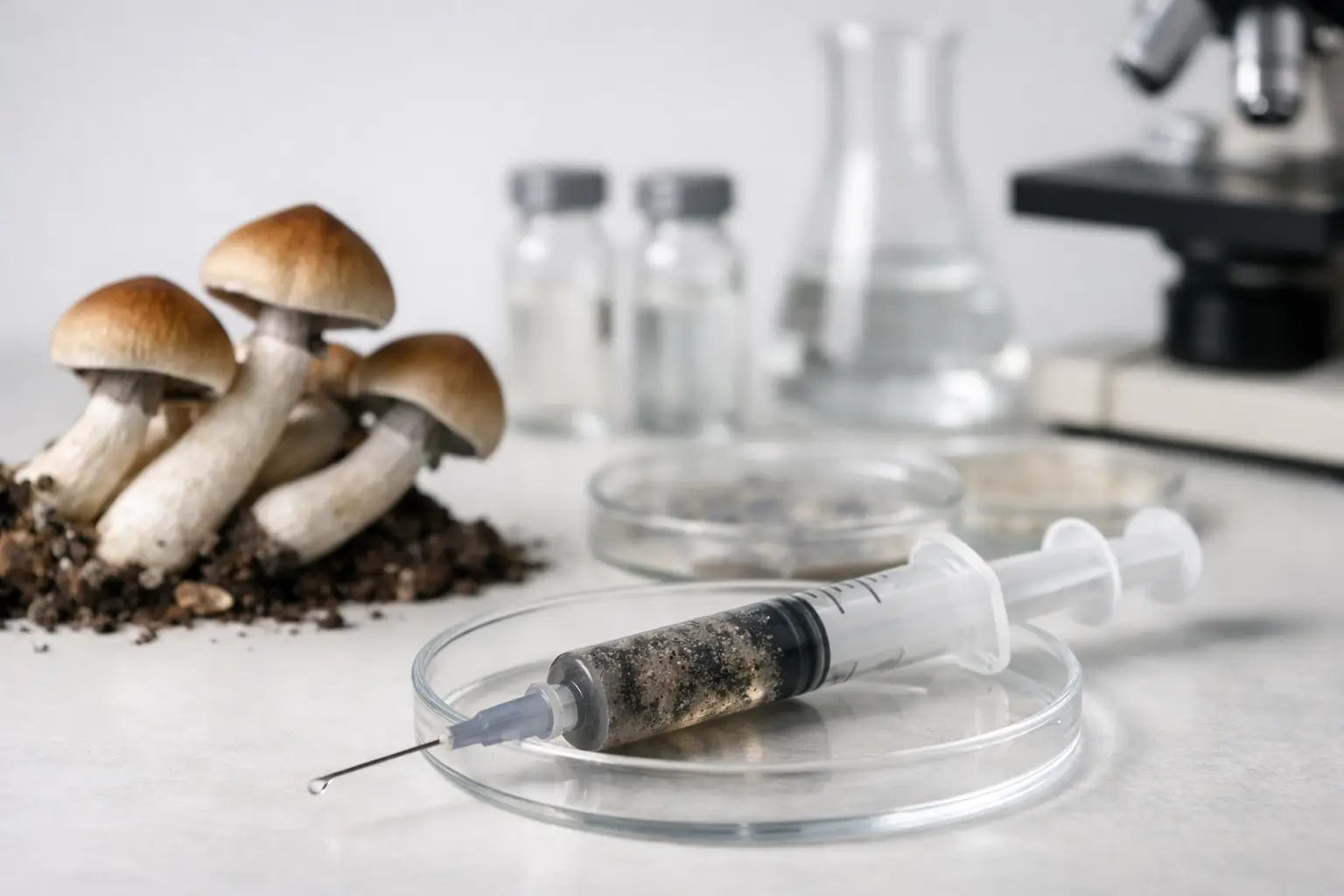
A mushroom spore syringe contains microscopic spores suspended in sterile water. The syringe format is popular because it is compact, easy to label, and designed for controlled dispensing. With a gentle shake, the spores redistribute through the water so a small amount can be applied where it is needed for a lawful mycology, microscopy, or edible cultivation project.

Spores are not the same thing as live culture. A spore syringe begins with spores, which may need time to germinate and develop before you can evaluate the resulting growth. An edible liquid culture, by comparison, contains established living mycelium and is usually chosen when speed and consistency are the priority. Neither format is universally better. The right choice depends on whether you want to observe genetics from spores, preserve a collection, or work from an established culture.

The liquid in a syringe can look mostly clear, lightly cloudy, or show small dark clusters after spores settle. Appearance alone is not a complete quality test. Spores are microscopic, and different varieties can settle differently. Clear labeling, careful packaging, proper storage, and a trusted specialty supplier are stronger buying signals than expecting the water to look dramatically dark.

Choosing the Right Spore Syringe

Start by identifying your goal. Collectors and microscopy-focused buyers often choose varieties based on taxonomy, visual interest, or a desire to compare spore characteristics. Edible mushroom growers may prioritize species that suit their preferred growing conditions and cooking plans. If you are new to the format, do not let a long strain name make the decision for you. Read the product details, confirm the species or variety, and make sure it fits the project you actually intend to run.

A useful product listing should make the basics easy to find: the variety name, syringe volume, included needle information, handling guidance, and any relevant legal or regional restrictions. Buy from a source that treats labeling as part of quality control. A syringe you cannot confidently identify later is not a bargain, especially once your collection grows.

Consider volume realistically. More volume is not automatically more useful if your project is small. A standard syringe can support multiple carefully planned applications, while a smaller format may be ideal for testing or for buyers who want to sample a wider range of varieties. Bundles make sense when they provide genuine variety or when you already know how you will organize and use each syringe.

At Myceli Nation, the value of browsing a broad mycology catalog is being able to compare formats side by side: individual syringes, prints, edible cultures, and bundles each serve a different purpose. Shop for the format first, then narrow down the variety.

Spore Syringes vs. Spore Prints

A spore print is another compact way to collect and preserve spores. It is often favored by collectors and people who want a long-term archival format. A syringe is more immediately convenient because the spores are already suspended in sterile water and ready for controlled use.

The trade-off is preparation. Prints require you to prepare a sterile suspension before use, while syringes remove that step. If you value convenience and are working on a near-term project, a syringe is usually the straightforward choice. If you are building a catalog or prefer a compact backup format, a print can be a smart addition.

Clean Handling Starts Before the Cap Comes Off

Most avoidable problems come from rushed handling, not from the syringe itself. Before opening any package, set up a clean, uncluttered work area. Wash your hands thoroughly, disinfect the surface, and gather every item you will need so you are not reaching across the workspace halfway through the process.

Keep the syringe capped until the moment you are ready to use it. Avoid touching the needle, the cap interior, or any sterile contact surface. If the needle is packaged separately, open it only when your station is prepared. These habits are basic, but they are the backbone of reliable work.

Before dispensing, gently shake the syringe to redistribute settled spores. Do not treat it like a cocktail shaker. A few calm motions are enough. Then use steady, minimal pressure on the plunger. Forcing liquid quickly can make a precise application harder and create unnecessary mess.

If your project involves sterile media or prepared material, follow the product-specific handling instructions closely. Different materials have different moisture levels, access points, and ideal application amounts. More solution does not always mean better results. Excess moisture can create its own complications, so measured application is usually the better move.

Storage That Protects Your Purchase

Spore syringes should be kept cool, dark, and clean. Refrigerated storage is commonly preferred for longer-term holding, provided the syringe is protected from freezing and stored where it will not be crushed, punctured, or exposed to frequent temperature swings. A dedicated container or clean resealable bag helps keep labels readable and the syringe separate from household spills.

Do not freeze a spore syringe. Freezing can damage the format and create avoidable uncertainty. Leaving it in direct sunlight, a hot car, or near a heat source is equally unhelpful. If a shipment arrives during very warm or cold weather, bring it inside promptly rather than letting it sit outdoors.

Label discipline pays off fast. Keep the original label intact, then record the variety, arrival date, and intended use in a notebook or digital log. If you purchase several syringes at once, this simple habit prevents accidental mix-ups later. For collectors, a photo of each label can provide an extra backup.

Common Mistakes That Waste Good Material

The first mistake is assuming every issue is visible. A syringe may look clear and still contain spores, while a darker syringe is not automatically superior. Evaluate the supplier, packaging, label accuracy, and your own handling process instead of relying on one visual cue.

The second is skipping sterile technique because the project seems small. Contamination does not care whether you used one drop or one milliliter. Clean hands, clean surfaces, protected tools, and minimal exposure all reduce the number of variables you have to troubleshoot.

The third is treating spores and cultures as interchangeable. Spores can produce genetic variation, which is part of their appeal for observation and selection, but that variation also means outcomes may differ. A culture is often more predictable because it begins from established mycelium. Choose based on the result you need, not just the product name that sounds most familiar.

Finally, do not ignore local laws and product restrictions. Mushroom-related rules can vary by species and location. Responsible buyers confirm what is permitted where they live and use products only for lawful purposes.

A Better Way to Build Your Mycology Collection

Instead of ordering randomly, build around a clear plan. You might keep a small microscopy selection, a separate group of edible varieties, and a few prints for archival interest. Organize each item by format, date, and project type. This makes repeat ordering easier and helps you learn what formats genuinely fit your workflow.

For new buyers, one or two well-labeled syringes can teach more than a large assortment stored without a plan. For experienced enthusiasts, bundles can be worthwhile when they fill a real gap in the collection or support a series of comparisons. The best shelf is not the fullest one. It is the one where every label has a purpose.

Good mycology rewards patience, clean habits, and careful records. Start with a syringe you can identify, store it like it matters, and give every project enough attention to teach you something useful.

Posted on

How to Use a Spore Syringe for Gourmet Mushrooms

How to Use a Spore Syringe for Gourmet Mushrooms

A spore syringe is one of the most accessible ways to begin a legal gourmet mushroom project, but it is not a shortcut around clean technique. Learning how to use spore syringe supplies well comes down to three things: choosing the right starting material, keeping your workspace disciplined, and giving the culture time to show you what it is doing. A steady hand helps. Patience matters more.

For hobby growers, microscopy enthusiasts, and anyone building a broader mycology setup, spores are also a chance to observe mushroom genetics from the beginning. Unlike a ready-to-inoculate culture, a syringe contains spores suspended in sterile water. Those spores need to germinate, pair, and establish themselves before you see vigorous growth.

What a Spore Syringe Is Designed to Do

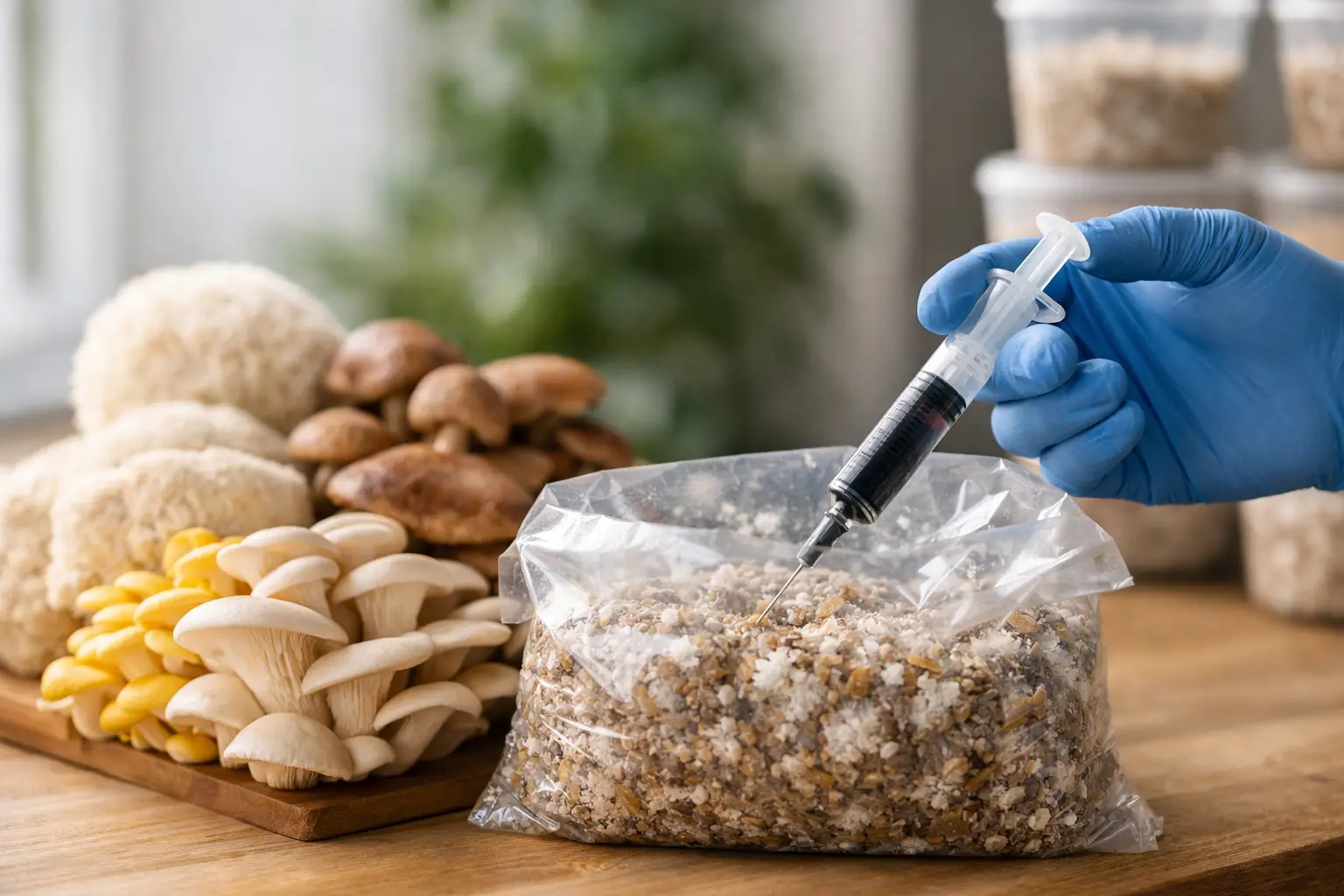
A spore syringe holds a suspension of mushroom spores in sterile water, usually in a sealed syringe with a sterile needle. It is commonly used to introduce spores to an appropriate sterile medium, where they can germinate and form mycelium.

That distinction is worth understanding before you start. A liquid culture contains already-growing mycelium and often moves faster. A spore syringe starts earlier in the life cycle, which can mean more variation from one project to the next. That variability is part of the appeal for collectors and curious growers, but it also means results may be less predictable.

For most legal gourmet species, spores are best approached as a clean-workflow project rather than a casual add-on to your supply shelf. Match the syringe to a species you are legally permitted to work with and to a method you can keep clean from start to finish.

Set Up Before You Open Anything

The biggest mistake beginners make is treating cleanliness as something to handle halfway through the process. Prepare your space first, then bring out the syringe only when everything else is ready.

Choose a small, calm room with minimal airflow. Turn off fans, close windows, and keep pets, loose fabric, and unnecessary supplies out of the area. Wipe down your work surface with an appropriate disinfectant and let it dry. Wash your hands thoroughly, then use clean gloves if they fit your workflow.

Your basic setup should include the following:

  • A legal gourmet mushroom spore syringe
  • A suitable sterile medium or prepared project material
  • Alcohol wipes or a disinfecting solution
  • A flame source or sterile single-use needle, depending on your setup
  • Labels and a marker
  • A clean container for used materials

Labels are not an afterthought. Write down the species or variety, the date, the material you inoculated, and any batch details you want to track. Once several projects are underway, memory becomes unreliable fast. Clear labels make it easier to compare progress, spot issues, and learn which materials perform best in your environment.

How to Use a Spore Syringe With Clean Technique

Keep the syringe capped until the moment you are ready to inoculate. Before use, gently shake or roll it to distribute the spores through the water. Do not treat it like a paint shaker – aggressive shaking can create excessive bubbles and make the syringe harder to control.

If your syringe has a separate needle, attach it without touching the sterile end. If you are working with a reusable metal needle, sterilize it according to your chosen clean-work protocol, allow it to cool, and avoid placing it on any surface afterward. A hot needle can damage the material you are trying to inoculate, so cooling matters.

From there, the exact method depends on the medium. Some growers begin spores on agar because it makes early growth easier to inspect. Others use a prepared, sterile substrate product designed for the species they are working with. Agar offers more visibility and control, while ready-to-inoculate materials can simplify the first stage for growers who are not yet building a full lab-style workflow.

Use only the amount called for by the product or method you selected. More solution does not automatically mean better results. Overapplying liquid can create overly wet conditions and complicate observation. A measured approach gives the spores an appropriate starting point without changing the moisture balance of the medium.

Once inoculated, seal or close the material as intended and place it in a stable location away from direct sunlight, temperature swings, and constant handling. The best next move is usually to leave it alone. Repeated opening, moving, or inspecting can introduce problems that were not there at the start.

Agar, Grain, or Ready-to-Inoculate Materials?

There is no single best answer because the right route depends on your experience level and goals.

Agar is often the most informative option. It lets you watch for germination and observe whether growth appears clean before moving forward. The trade-off is that agar work requires more tools, more practice, and careful handling. If you enjoy the technical side of mycology, it is a valuable skill to build.

Prepared sterile grain or similar materials can be convenient for experienced growers who already understand how to evaluate healthy growth. However, spores can carry naturally occurring microbes from their source environment. Starting directly on a less-visible medium makes it harder to identify a problem early.

Ready-to-inoculate products sit in the middle for many home mycology projects. They reduce preparation time, but they do not eliminate the need for clean technique. Buy the format that fits the workflow you can realistically maintain, not simply the one that seems fastest.

What Healthy Early Progress Can Look Like

Spores do not operate on a fixed calendar. Germination can vary according to species, genetics, freshness, medium quality, and environmental conditions. Avoid comparing every project to a photo posted by someone working with different materials and a different setup.

On a visible medium, healthy mycelium may appear as fine, bright growth spreading gradually from the inoculation area. Growth patterns differ between species, so focus less on chasing one exact look and more on watching for consistency. A clean project generally becomes more organized over time rather than developing unexpected colors, wet patches, or strong off odors.

If something looks questionable, resist the urge to keep opening it for a closer look. Keep it isolated from other projects and make notes. Observation is part of cultivation skill, and not every attempt will be worth carrying forward. Knowing when to pause, separate, or restart protects the rest of your supplies.

Storage Tips for Unused Spore Syringes

An unopened or partially used syringe should stay capped, clearly labeled, and stored according to the supplier’s instructions. In general, keep it away from heat and direct light. Avoid leaving it in a hot car, near a heating vent, or in an area where it will be repeatedly warmed and cooled.

For a syringe you have already used, maintain clean handling before recapping it. Do not reuse a needle that has touched a nonsterile surface. If you are not sure whether the needle remained sterile, replace it rather than gambling with the next project.

It also helps to organize syringes by species, arrival date, and intended use. That simple inventory habit prevents accidental mix-ups and makes it easier to rotate through your collection thoughtfully. For growers building a varied pantry of gourmet genetics, organization is as useful as another piece of equipment.

Common Problems Are Usually Workflow Problems

When a project stalls or shows signs of contamination, the syringe is not automatically the cause. The issue could come from the workspace, the inoculation point, the medium, storage conditions, or handling after inoculation. Treat each attempt as a record of your process rather than a pass-or-fail verdict on your ability.

A few habits make troubleshooting much easier: work with one clearly labeled project at a time, change only one variable when testing a new method, and keep a brief grow log. Note the date, material, room conditions, and observations. After a few runs, patterns become far easier to see.

Myceli Nation is built for enthusiasts who want more than a random assortment of supplies. Whether you are selecting spores, building a cleaner workspace, or comparing formats for your next legal gourmet project, the goal is the same: make each step intentional.

Start clean, label everything, and let the culture set the pace. The most satisfying mycology projects are rarely rushed – they are observed, adjusted, and built one careful attempt at a time.

Posted on

Spore Syringe Bundles for More Strain Variety

Spore Syringe Bundles for More Strain Variety

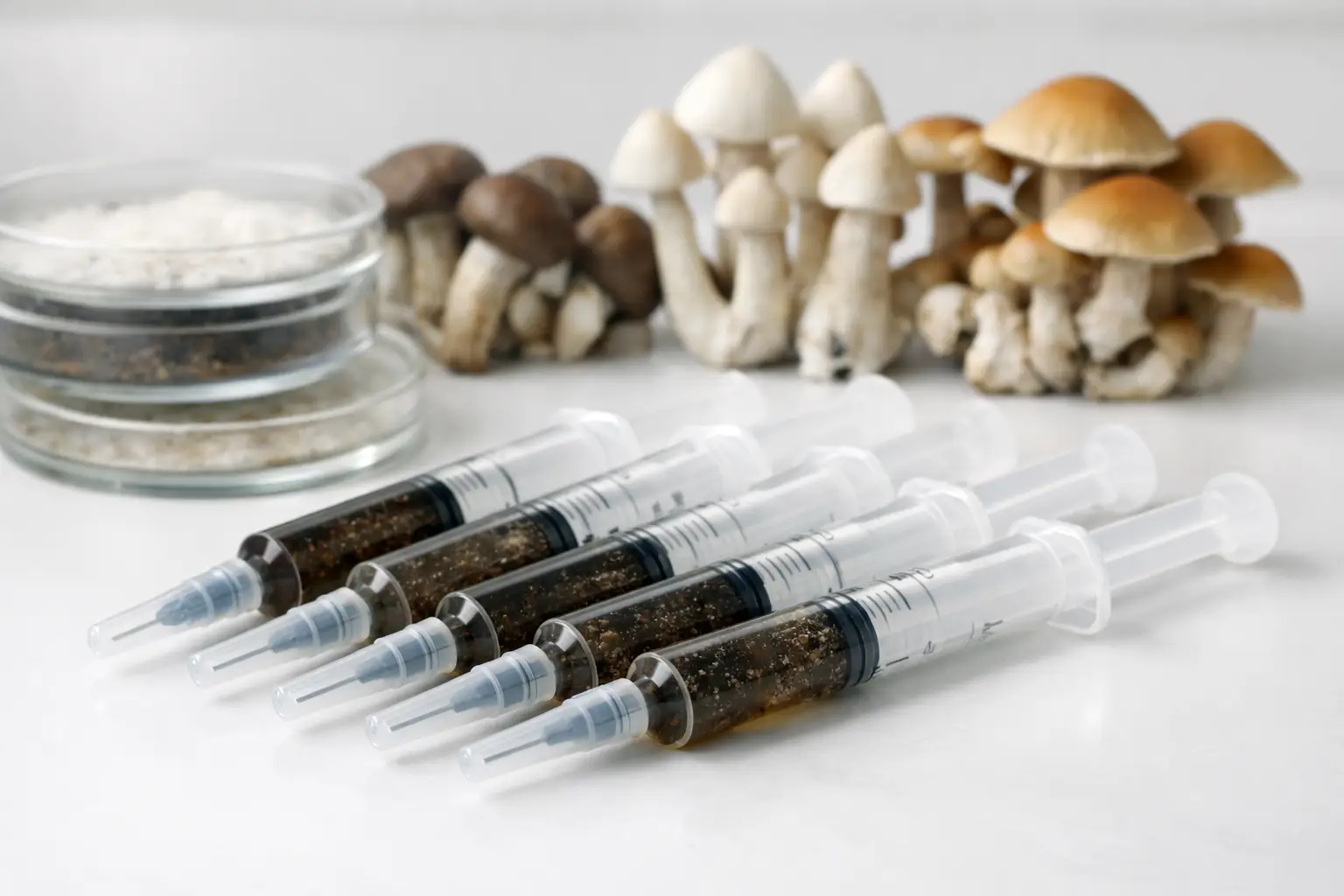
A single syringe can be a great pick when you already know exactly what you want. But when the goal is to compare recognizable varieties, refresh a collection, or shop a broader range without filling your cart one item at a time, spore syringe bundles make more sense. They bring variety into one purchase and give enthusiasts a cleaner way to explore the names and profiles that keep the mycology community talking.

For collectors and microscopy-focused buyers, the appeal is not simply getting more. It is getting a deliberate mix. A well-chosen bundle can put established fan favorites beside less familiar varieties, making it easier to build a collection with personality instead of buying the same type on repeat.

Why Spore Syringe Bundles Earn a Place in Your Cart

Bundles are built for shoppers who want options without the friction of comparing every item individually. Rather than choosing one variety, checking out, and returning later for the next, you can select a multi-pack that already covers several distinct names. That is useful when you are shopping for microscopy, adding to a reference collection, or simply deciding which varieties you want to know better.

There is also a practical value to buying as a set. Promotional packs often create a more approachable route to a varied lineup than purchasing every syringe separately. The value depends on the bundle itself, of course. A lower price is only a real win if the varieties match your interests and you would have chosen most of them anyway.

The best bundles feel curated rather than random. They may center on recognizable classics, colorful or unusual selections, or a balanced spread of popular names. That structure saves time for buyers who know the market but do not want to spend an hour sorting through a long catalog.

Choosing the Right Spore Syringe Bundle

Start with your reason for shopping. A buyer focused on familiar names may want a pack built around staples such as Golden Teacher, B+, Blue Meanie, or Lizard King. Someone expanding a collection might prefer a mixed bundle that pairs known favorites with varieties they have not encountered before. Neither approach is better. It depends on whether consistency or discovery is the point of the order.

Next, look at the actual composition of the pack. A five-pack is not automatically more useful than a three-pack. If two or three items overlap with what you already own, a smaller but more varied selection can be the stronger choice. Read each included variety rather than judging the bundle by the item count alone.

It also helps to think about how you organize your collection. If you label purchases by variety, date, and supplier, a bundle can add several entries at once. That is a benefit for enthusiasts who enjoy keeping a clear record of their microscopy materials. On the other hand, if you prefer to spend more time with one selection before moving to another, an individual syringe may be a better fit than a large mixed pack.

Build Around a Theme, Not Just a Discount

The most satisfying purchase usually has a purpose. You might choose a classics bundle because you want the most talked-about names in one place. You might choose an exotic assortment because your collection is already full of familiar options. Or you may want a best-seller pack when you are looking for a straightforward introduction to what other shoppers are choosing.

A theme makes future shopping easier, too. Once you know you are building a collection around established favorites, rare names, or visual variety, the next purchase has context. You are not just adding more products. You are adding the right products for your own interests.

What to Check Before You Buy

Product details matter, especially when several items are sold together. Confirm the number of syringes included, the listed varieties, and whether the bundle is a fixed assortment or a rotating promotional selection. Fixed packs are ideal when you are shopping for a specific name. Rotating packs can be fun for collectors who enjoy an element of surprise, but they may not suit a highly planned order.

Packaging and labeling are worth considering as well. Clear identification helps keep a multi-item order organized after it arrives. When multiple varieties land at once, accurate labels make a difference for anyone maintaining a reference collection or comparing notes across purchases.

Shipping availability is another part of the decision. Myceli Nation serves a broad mycology community with access to a diverse catalog, but buyers should always review destination-specific requirements before placing an order. Rules can vary by location, and responsible shoppers make sure their intended purchase and use align with local regulations.

Finally, consider timing. Bundles are a smart choice when you are ready to explore multiple varieties now. They are less useful when you only have one specific item in mind and the extras would sit untouched. There is no prize for buying the largest pack. A good order is one that fits your interests, budget, and plans for keeping your collection organized.

Variety Makes Comparison More Interesting

One of the strongest reasons to shop bundles is side-by-side comparison. Names can carry a lot of reputation in mycology circles, but having several selections in your own collection gives those conversations more context. You can examine differences in appearance under microscopy, keep notes on characteristics that stand out to you, and develop your own sense of which varieties you want to revisit.

That process is more engaging than chasing a single hype-driven name. Popular varieties are popular for a reason, but a collection becomes more rewarding when it includes both the obvious picks and the ones that caught your eye for a different reason. A bundle creates room for both.

It can also make shopping feel less fragmented. Instead of piecing together an order from several separate product pages, you begin with a ready-made assortment and spend your attention on the details that matter: variety names, product format, availability, and the kinds of selections you want represented in your collection.

When Individual Syringes Are the Better Choice

Bundles are not always the answer. If you are replacing one familiar variety, looking for a specific product name, or have a tightly defined budget, purchasing individually offers more control. It can also be the better option when you already own several items commonly included in popular packs.

Think of individual purchases as precision shopping and bundles as range shopping. Precision is useful when you know exactly where you are headed. Range is useful when you want to see more of the map. Both belong in a well-stocked mycology storefront, and the better format comes down to how you prefer to browse, compare, and collect.

A Better Way to Shop the Bundle Section

Before checking out, take a minute to list the varieties you already have, the names you are curious about, and the type of assortment you want next. That small step prevents accidental duplicates and makes it easier to spot a bundle that genuinely adds something new.

Then shop with a little flexibility. The perfect pack may not exist at every moment, particularly when promotional assortments change. If a bundle includes most of what you want plus one unexpected variety, that surprise may end up being the item that makes the order memorable.

The Mycelium Network is built for enthusiasts who want more than a one-off purchase. Choose spore syringe bundles that give your collection a direction, leave room for curiosity, and make the next conversation with fellow mycology fans a little more interesting.

Posted on

How to Choose Mushroom Strains for Your Setup

How to Choose Mushroom Strains for Your Setup

A name can get your attention, but it should not make the decision for you. Learning how to choose mushroom strains starts with looking past fan-favorite genetics and matching a culture or specimen to your actual setup, skill level, and goal. The right choice is the one you can handle confidently, observe closely, and enjoy working with from start to finish.

For some growers, that means a dependable edible culture that fits a kitchen grow. For collectors and microscopy-focused buyers, it may mean a clean print with distinct visual characteristics. Either way, strain selection is less about chasing hype and more about knowing what you want the genetics to do.

Start With Your Goal, Not the Strain Name

Before browsing categories, decide what a successful project looks like. Are you growing gourmet mushrooms for the table? Building skill with agar and culture work? Comparing spores under a microscope? Looking for a giftable bundle that gives you room to experiment? Your answer narrows the field quickly.

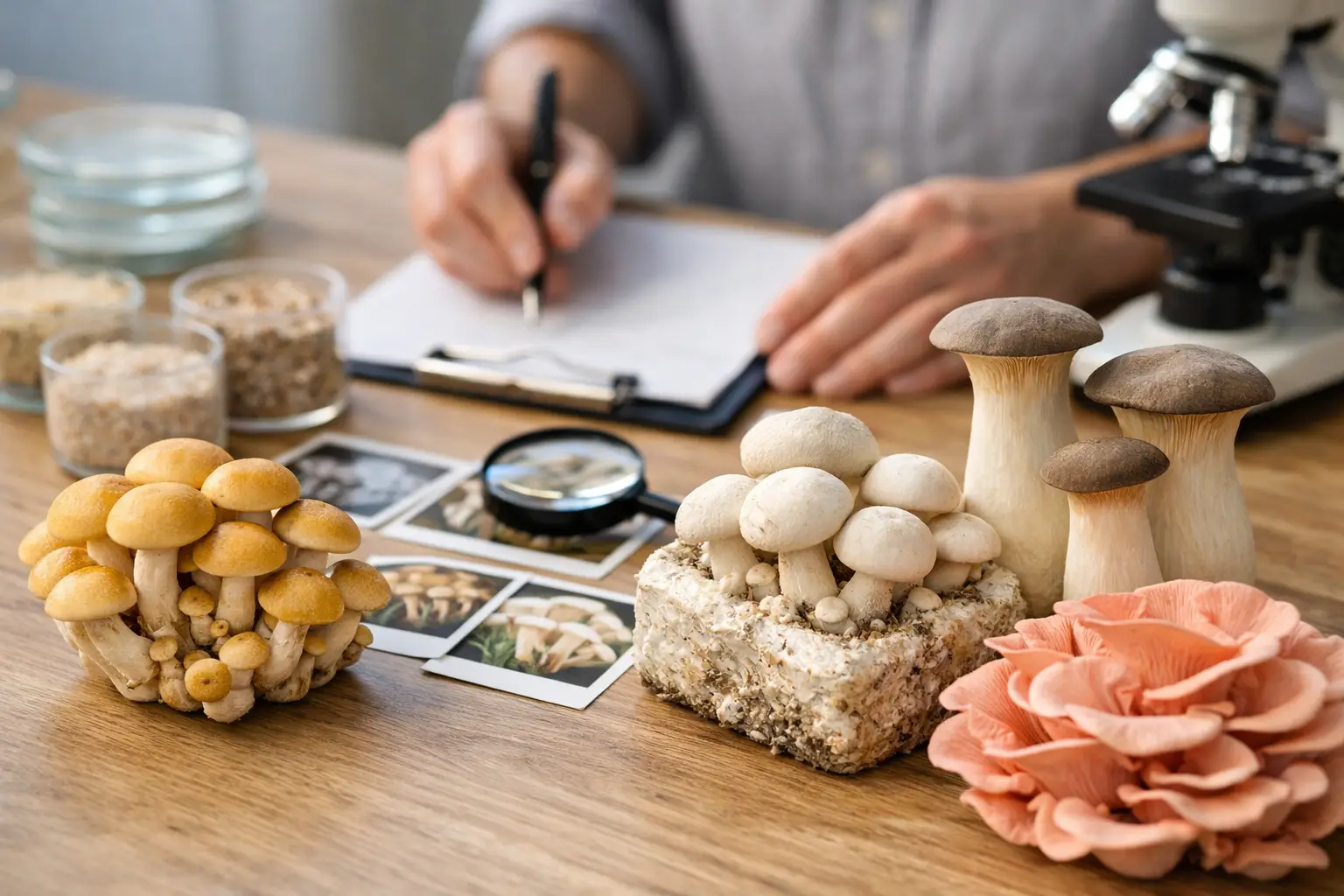
Edible cultures are usually the most direct route for growers who want a practical food crop. Oyster varieties, lion’s mane, shiitake, and chestnut mushrooms each bring different flavors, fruiting styles, and environmental preferences. A ready-to-inoculate option can also reduce the number of early variables, which is useful when you are learning how your space behaves.

Spores and prints suit a different kind of project. They invite observation, documentation, and genetic exploration, but they also require more patience and clean technique. If your goal is microscopy or building foundational lab skills, format may matter just as much as the strain itself.

How to Choose Mushroom Strains by Growing Conditions

Every strain has preferences. Temperature, fresh air exchange, humidity, substrate, and available space affect results far more than a catchy name on a listing. A genetics choice that performs beautifully in a dialed-in fruiting tent may be frustrating in a warm apartment or a low-humidity room.

Check the temperature range first

Temperature is one of the fastest ways to filter choices. Cool-fruiting varieties are often better suited to basements, garages, and climate-controlled spaces, while warm-weather varieties can be more forgiving in naturally warmer homes. If you cannot reliably manage temperature, choose genetics with a wider comfort range instead of trying to force a narrow-range variety into an unsuitable environment.

For edible species, this distinction is especially useful. Blue oyster mushrooms often prefer cooler conditions than pink oyster mushrooms, while lion’s mane generally rewards growers who can keep fruiting conditions steady. That does not make one objectively better. It simply makes one a better fit for the season and space you have.

Be honest about your humidity and airflow control

High humidity without enough fresh air can create weak, misshapen fruits. Too much airflow without proper humidity can dry surfaces before they develop well. Some varieties tolerate a little inconsistency better than others, but no strain completely ignores its environment.

If you are working with a basic tub, countertop fruiting chamber, or small tent, choose a project with manageable environmental demands. Once you can recognize what healthy mycelium and proper fruiting conditions look like, moving into more particular genetics becomes much easier.

Match the substrate to your workflow

Substrate is not an afterthought. Wood-loving gourmet cultures, for example, generally need a different approach than varieties that perform well on supplemented sawdust, straw, or other prepared media. A strain may be excellent, but it still needs a substrate it can colonize efficiently.

This is where ready-to-inoculate products earn their place. They simplify preparation and let you focus on inoculation, colonization, and fruiting rather than building every input from scratch. Experienced growers may prefer the control of making their own substrate, while newer cultivators often benefit from reducing avoidable steps.

Choose a Format That Matches Your Experience

The same genetics can be sold in several forms, and each format changes the project.

A spore syringe is a familiar option for microscopy work and hands-on cultivation practice. It is compact, versatile, and easy to store correctly before use. Because spores represent genetic diversity, results can vary more than they do with a stabilized culture. That variability is part of the appeal for many enthusiasts, but it is not always the fastest route to predictable performance.

A spore print is a classic collector and microscopy format. Prints are easy to catalog, compare, and preserve when handled with clean technique. They are also a strong choice for buyers who enjoy the visual side of mycology and want to work carefully from a dry specimen.

Liquid cultures and other ready-to-inoculate formats are generally appealing when speed and consistency matter. With active, clean mycelium, you are beginning further along in the process than you would with spores. The trade-off is that cultures have a more defined handling window and require attention to storage and freshness.

If you are buying your first item, do not assume the most advanced format is automatically the best. Choose the format you understand well enough to use properly. Good technique beats ambitious shopping every time.

Look at Traits, Not Just Reputation

Popular names become popular for a reason. Some are widely recognized, visually distinctive, or frequently requested by collectors. Still, reputation only tells part of the story. Read the available product details for notes on species, format, intended application, and handling guidance.

For edible genetics, focus on traits that change your grow and your meal: flavor, texture, fruiting temperature, colonization speed, and substrate preference. A fast colonizer can be appealing in a busy workflow, while a slower culture may be worth the wait if it produces a flavor or form you specifically want.

For spores and prints, pay attention to provenance, labeling, and presentation. Clear identification matters if you are organizing a collection, maintaining records, or comparing samples. A well-labeled product helps you build better habits from the first purchase.

It also helps to separate “easy” from “low maintenance.” An approachable strain still needs sanitation, suitable conditions, and patience. Easy simply means it may be more forgiving when your conditions are close, rather than perfect.

Build a Small, Useful Strain Lineup

New buyers sometimes order a long list of strains before they know what their setup can support. Variety is fun, but too many simultaneous projects make it harder to diagnose problems. If one container stalls, you want to know whether the issue was the substrate, temperature, moisture, handling, or genetics.

A better first lineup has a purpose. Choose one dependable edible culture for practical growing, one additional variety with different climate or substrate preferences, and one microscopy-focused item if observation is part of your hobby. That gives you contrast without turning your workspace into a confusing experiment.

Bundles can make sense when the products fit your plan rather than simply adding quantity. A mixed edible bundle can help you compare fruiting behavior across species. A print pack can be a smart way to expand a catalog. But if you only have capacity for one project, a carefully selected single item may give you better results and better notes.

Buy With Traceability and Care in Mind

Genetics are only as useful as the way they are stored, shipped, and handled. Choose products with clear format descriptions and practical information. When an item arrives, inspect the label, follow storage guidance, and keep a simple log of the arrival date, inoculation date, conditions, and observations.

That log becomes more valuable than memory after just a few grows. You may find that one culture loved your winter fruiting area while another performed better during warmer months. Over time, your own records will tell you more about what belongs in your rotation than any generic “best strain” list.

Use clean tools, avoid cross-contamination between projects, and follow local rules for the products and activities you choose. Mycology rewards careful work. Small habits, such as labeling containers and documenting changes, create much better outcomes than constantly switching genetics.

The Mycelium Network is built for that kind of curiosity: try a strain with a clear purpose, give it conditions it can actually use, and let your observations guide the next addition to your collection.

Posted on

Exotic Mushroom Spore Varieties Worth Knowing

Exotic Mushroom Spore Varieties Worth Knowing

A standard catalog can get you started. Exotic mushroom spore varieties are where the search becomes more personal: unusual morphology, respected lineage names, regional history, distinctive print colors, and the simple appeal of adding something less common to a serious collection. For microscopy-focused buyers and mushroom enthusiasts, the point is not chasing the loudest name. It is knowing what makes a variety distinctive and selecting a format that fits your intended use and local laws.

The best collections balance familiar fan favorites with strains that have a story. Some are sought for their recognizable visual traits, others for the way a name connects to a historic region, a long-circulating lineage, or a dedicated community of collectors. That variety is exactly why a well-organized mycology shop matters. You should be able to compare options without bouncing between fragmented suppliers or guessing what a product name actually represents.

What Makes a Spore Variety Exotic?

“Exotic” is not a strict taxonomic label. In a retail setting, it usually refers to varieties that sit outside the most common entry-level selection. They may be less frequently stocked, visually unusual under a microscope, tied to a specific geographic origin, or recognized by collectors for a notable phenotype.

That distinction matters because a variety name is useful context, not a laboratory guarantee. Names can reflect a reported lineage, a regional association, a breeder-selected trait, or community shorthand. A responsible buyer reads the listing closely, looks for clear format and handling information, and treats every named variety as a chance to study variation rather than a promise of identical results.

For collectors, the appeal often starts with identity. A well-labeled print or syringe with a clear variety name has more value than a mystery sample, even when both look interesting. Documentation supports better organization, more meaningful comparison, and a collection you can revisit with confidence months later.

Exotic Mushroom Spore Varieties by Character

A useful way to shop is to think in terms of character rather than trying to crown one variety as universally “best.” The right pick depends on whether you are building a reference collection, looking for a striking microscopy subject, or expanding beyond the usual names in your lineup.

Classic names with lasting collector appeal

Some varieties earn their place because they have stayed relevant for years. Golden Teacher, B+, Blue Meanie, and Lizard King are recognizable examples that many enthusiasts encounter early in their research. Their popularity makes them useful reference points when comparing label conventions, print presentation, and the way different vendors categorize familiar lines.

A classic name is not automatically ordinary. A carefully prepared spore print from a well-known variety can be one of the most satisfying pieces in a collection, especially when it is clearly identified and stored correctly. Familiar varieties also make it easier to understand where more unusual names fit within the broader hobby.

Regional and heritage-inspired varieties

Regional names carry an immediate sense of place. They may refer to a country, island, mountain range, or climate zone associated with a reported origin story. Heritage-oriented varieties appeal to collectors who enjoy the cultural and geographic side of mycology as much as the sample itself.

Still, regional branding deserves a measured approach. Geographic associations can be meaningful, but they are not a substitute for transparent product details. Look for a seller that provides the variety name, product type, packaging information, and a clear statement of the product’s intended lawful use. Good labeling turns a compelling name into a more credible item for your records.

Distinctive morphology and pigment lines

Some exotic offerings stand out because of their reported visual characteristics. Unusual pigmentation, cap shape, stem structure, or spore appearance can make a variety especially interesting for microscopy and display-oriented collections. These are the listings that often catch the eye first, and for good reason.

The trade-off is that morphology can vary. Environmental conditions, sample handling, and natural biological variation all affect what someone sees. For that reason, choose these varieties for their study value and collector appeal, not because a product photo suggests every observation will look exactly the same.

Choosing the Right Format for Your Collection

The variety is only half the decision. The format changes how you receive, store, and work with your purchase. Myceli Nation’s product categories make it easier to shop according to the format you prefer instead of forcing every buyer into one path.

Spore prints are a natural fit for collectors who value a compact, traditional specimen. A clearly labeled print can be easy to archive and compare alongside other varieties. It also gives the product a tangible, old-school mycology feel that many enthusiasts appreciate.

Spore syringes offer convenience for buyers who prefer a ready-prepared format for lawful microscopy and research applications. When evaluating a syringe, pay attention to labeling, packaging quality, and handling guidance. A reputable listing should make the format clear rather than leaving you to infer what is included.

Multi-packs and bundles are worth considering when you already know the direction of your collection. A themed group of varieties can provide stronger contrast than several random single selections. The best bundle is not simply the one with the biggest count. It is the one with enough variety to make each item feel purposeful.

What to Check Before You Buy

Specialty spores are easier to shop for when you use a consistent filter. Before adding an item to your cart, review four essentials:

  • Variety identification: The product should have a specific, readable name rather than vague “exotic” labeling alone.
  • Format and quantity: Confirm whether you are selecting a print, syringe, or another product type, along with the stated amount.
  • Packaging and handling details: Quality retailers communicate how products are packaged and any applicable storage expectations.
  • Local legality: Laws and regulations vary by jurisdiction. Buyers are responsible for understanding the rules where they live and purchasing only for lawful purposes.

These checks are not glamorous, but they prevent most avoidable disappointments. Clear product information is especially valuable with exotic varieties, where names can be unfamiliar and availability may change quickly.

Build a Collection With a Point of View

The strongest collections are not built by grabbing every new name that appears. They are shaped by a question. You might collect varieties with regional naming traditions, compare classic fan favorites against less common lines, or focus on the visual range found across spore prints. A point of view gives your purchases continuity and makes every new addition more interesting.

Keep simple records as you go. Note the variety name, format, date received, seller, and any visible details that matter to you. This is useful for organizing a growing collection, but it also helps separate a memorable product from a merely flashy listing. Over time, your notes become part of the hobby.

Availability is another reason to shop with intention. Exotic selections often rotate, and limited drops can disappear faster than standard catalog items. That does not mean every limited item is a must-have. It means that when a variety fits your collection goals, it is worth reviewing the listing carefully and making a considered choice rather than waiting for a restock that may not arrive soon.

The Value of a Better Selection

Exotic mushroom spore varieties are compelling because they turn mycology shopping into more than a repeat purchase. They invite comparison, curiosity, and a deeper appreciation for the names, histories, and visual details that make the hobby feel alive. Whether you prefer a recognizable classic, a heritage-inspired line, or an unusual collector specimen, choose products with clear identification and shop with a collection goal in mind.

A great next addition is not always the rarest one. It is the variety that gives your collection a new angle to study, a better story to tell, and a reason to keep exploring The Mycelium Network.

Posted on

Blue Meanie Spore Syringe: Before You Buy

Blue Meanie Spore Syringe: Before You Buy

A blue meanie spore syringe is one of those products that gets attention fast, but the name alone does not tell a buyer everything they need to know. In specialty mycology, recognizable names can point to different genetics, different supplier labeling practices, and different expectations around microscopy. The smart move is to look past the label and assess the product details, format, and source before adding it to your cart.

For collectors and microscopy-focused buyers, the appeal is clear: a syringe format is compact, familiar, and easy to store appropriately until it is ready for lawful research or observation. But as with any specialty spore product, consistency starts with clear identification and transparent handling standards.

What Is a Blue Meanie Spore Syringe?

A spore syringe is a suspension containing mushroom spores in sterile water. It is commonly packaged in a sealed syringe and intended for microscopy, taxonomy study, spore collection, and other lawful mycology purposes. Compared with a spore print, the syringe format offers a ready-to-observe sample in a form many hobbyists already recognize.

The phrase “Blue Meanie” deserves a closer look. It is a popular marketplace name, not always a precise scientific identifier. Depending on the seller and catalog, it may refer to a particular named variety or may be used more broadly. That makes product-page details especially valuable. A listing should make it clear how the sample is identified rather than relying entirely on a bold strain name.

This is not a small distinction. Two products with similar branding may have different lineage descriptions, visual traits, or intended research context. Buyers who care about accurate collection records should document the exact listing name, supplier, purchase date, and any identification details provided at the time of purchase.

Why the Syringe Format Appeals to Collectors

Spore prints remain a classic option for many mycology enthusiasts, especially those building a physical reference collection. A blue meanie spore syringe, however, can be a practical format for buyers who prefer a contained sample with straightforward handling for microscopy.

The appeal usually comes down to convenience. Syringes are individually packaged, easy to organize alongside other samples, and simple to distinguish with careful labels. For enthusiasts comparing multiple varieties, this can make cataloging a collection less complicated than managing several loose-format items.

That said, no format is automatically better for every buyer. A print may appeal to collectors who value a traditional archival format. A syringe may appeal to those who want a prepared liquid sample for observation. The best choice depends on the purpose of your purchase, the type of collection you keep, and how you prefer to document your materials.

What to Look for Before Ordering

The strongest product listings do more than repeat a strain name. They give buyers the information needed to make a confident, informed choice. When comparing specialty spore syringes, pay attention to how a seller presents identity, packaging, and ordering expectations.

Clear labeling matters first. Look for a product title that is consistent with the description, along with any relevant species or variety information the retailer can provide. If a listing uses a popular nickname such as Blue Meanie, the surrounding details should help distinguish that specific item from similarly named products elsewhere.

Packaging information matters too. Buyers should know what format they are receiving, how the product is sealed, and whether individual samples are labeled for easy organization. Good retail presentation is not just about appearance. It helps collectors maintain accurate records after delivery.

It is also worth reviewing the seller’s policies before checkout. Shipping availability, destination restrictions, payment options, and order-processing timelines can vary by location. Mycology products are subject to different rules in different jurisdictions, so buyers are responsible for knowing the laws that apply where they live before placing an order.

Finally, consider the retailer’s overall catalog. A dedicated mycology shop with syringes, prints, edible cultures, and supplies gives enthusiasts a more useful way to compare formats and build a collection over time. A broad catalog does not replace careful product research, but it can make it easier to find compatible products without jumping between unrelated sellers.

Reading Product Names Without Guesswork

Mycology product names can be memorable, collectible, and sometimes confusing. Blue Meanie is a good example of why buyers should avoid assumptions based on a name alone. Nicknames travel quickly through forums, product catalogs, and collector circles, while scientific and variety-level descriptions are often more specific.

When a name appears across multiple shops, compare the wording rather than assuming every listing represents the same thing. Note whether the seller identifies a species, provides a lineage description, or uses only a marketing name. If details are limited, treat the product as limited in documentation rather than filling in the blanks yourself.

This approach is useful for any collection, not just Blue Meanie samples. Golden Teacher, B+, Lizard King, and other fan-favorite names are often familiar to buyers, but a well-organized collection benefits from more than familiarity. It benefits from complete labels, saved order records, and a clear distinction between confirmed information and community shorthand.

Storage and Handling for Microscopy Collections

Responsible handling starts with leaving sealed products sealed until they are needed for a lawful, intended use. Keep samples in a clean, dry, temperature-stable place away from direct sunlight, excessive heat, and unnecessary handling. Retain the original label whenever possible, especially if you maintain a larger collection.

Organization can be as simple as a dated storage box, a collection log, and separate sections for syringes, prints, and edible cultures. Record the product name exactly as listed, along with the retailer and order date. That record becomes valuable when you are comparing samples later or reviewing the history of a particular item.

Avoid relying on appearance alone to identify an unlabeled sample. Once original packaging or documentation is lost, confidence in the item’s identity drops quickly. This is one reason clear labeling from the seller and disciplined organization from the buyer go hand in hand.

Comparing Syringes, Prints, and Other Formats

A shopper looking for a Blue Meanie sample may encounter more than one format. There is no universal winner because each format serves a slightly different collecting preference.

Spore syringes are popular for their contained presentation and convenience for microscopy-oriented buyers. Spore prints are often chosen for collection, visual study, and archival interest. Ready-to-inoculate products and cultures occupy a different category entirely, with their own use cases and local legal considerations.

Instead of choosing based on what is most talked about, choose based on what you actually want to document or observe. If your focus is building a labeled assortment of samples, consistency in packaging and product information may matter more than hype. If you are comparing varieties for microscopy, product identity and careful recordkeeping should come first.

A Better Way to Shop Specialty Spores

The most reliable purchase decisions come from a simple mindset: buy the information along with the item. A good blue meanie spore syringe listing should feel clear, not mysterious. It should tell you what format you are ordering, how it is labeled, what you can reasonably expect from the transaction, and whether the retailer’s policies work for your location.

At Myceli Nation, The Mycelium Network is built around giving enthusiasts a central place to browse recognizable favorites, compare specialty formats, and find the mycology supplies that fit their collection goals. Whether you are adding one carefully documented sample or organizing a wider library of spores and prints, prioritize accurate labels, responsible storage, and a source that treats specialty mycology with the detail it deserves.

The best addition to a collection is not simply the one with the most recognizable name. It is the one you can identify, document, and feel confident about long after the package arrives.