
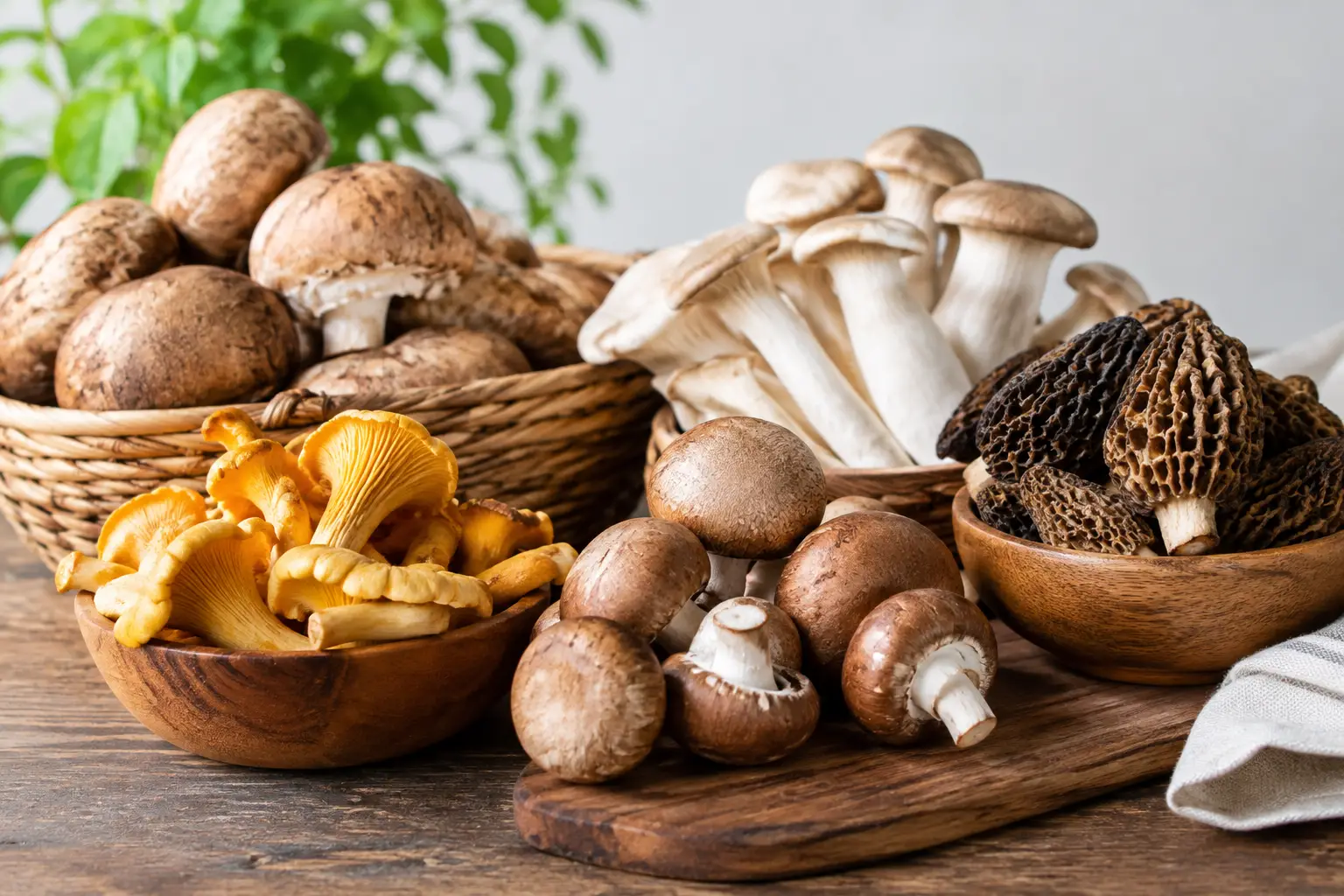
A great oyster, lion’s mane, or shiitake grow usually starts long before the first pin appears. This edible mushroom sourcing guide is built for cultivators who want to spend less time troubleshooting weak genetics, questionable substrate, and mislabeled products – and more time producing food-worthy harvests.
Sourcing is not just about finding a species name you recognize. It is about matching the right culture, format, and supplier to your grow space, skill level, and goals. A fast colonizing oyster culture may be the practical choice for a first fruiting block, while a slower, more selective shiitake culture can reward growers willing to dial in their process.
Start With the Mushroom You Want to Grow
Before comparing suppliers, decide what success looks like in your fruiting area. Are you working with a countertop kit setup, a tent with humidity control, or a small-scale production room? The answer affects which species will feel straightforward and which will turn into a project.
Oyster mushrooms are a popular entry point because many varieties colonize aggressively and fruit on a wide range of supplemented or pasteurized substrates. Blue, pink, pearl, and king oysters are not interchangeable, though. They differ in temperature preferences, stem-to-cap structure, and the conditions that bring out their best form.
Lion’s mane is a favorite for growers who value a distinctive culinary mushroom and have good fresh-air exchange. It can be rewarding, but a cramped, stale fruiting space may produce dense, misshapen fruits instead of the clean cascading form growers want. Shiitake is a dependable pantry staple with a different timeline: it often asks for supplemented hardwood substrate, proper browning, and patience.
For a first run, choose one species that fits your current conditions rather than buying five cultures because they look interesting. Once you have a repeatable process, expanding your culture library becomes much more useful.
Edible Mushroom Sourcing Guide: Choose the Right Format
The best format depends on what you are inoculating and how much sterile work you want to handle. A culture can be excellent and still be the wrong purchase for your workflow.
Liquid culture is a practical option for inoculating sterilized grain or substrate with speed and consistency. It is especially useful when you already have a clean workstation, sterile media, and a plan to use it promptly. Look for a clearly identified species or strain, sensible packaging, and handling information that matches the format.
Agar culture is the better choice for growers who want to inspect growth before expanding it. On a clean plate, you can observe whether growth appears even and vigorous, transfer a promising section, and preserve a culture collection over time. It requires more technique, but it gives you more control over quality.
Grain spawn and ready-to-fruit products trade some flexibility for convenience. They can make sense when your goal is a fast path to a harvest or when you do not yet want to sterilize grain at home. Check the production or packing date when available, follow storage directions, and order only when you can receive the package without leaving it exposed to heat or freezing conditions.
Spore-based products have a place in microscopy, genetic exploration, and advanced culture work, but they are not the most direct route to consistent gourmet production. Spores carry genetic variation. A tested culture offers a more predictable starting point when yield, form, and timing matter.
Evaluate a Supplier Beyond the Product Photo
Specialty mushroom sourcing works best when the seller makes it easy to understand what you are buying. A polished image is not a substitute for basic product detail. You should be able to identify the mushroom, the culture format, approximate quantity, intended use, and storage or handling expectations before checking out.
Supplier consistency matters more than an oversized catalog. Look for clear category organization, product descriptions that distinguish cultures from spores or supplies, and inventory that reflects actual cultivation needs. If you are ordering a culture, it helps to source the related items from a shop that also understands sterile technique, grain, substrate, fruiting blocks, and the practical differences between them.
Myceli Nation is built around that wider grower workflow, with edible cultures and cultivation supplies organized for hobbyists who prefer one home for their mycology sourcing.
Price is worth evaluating, but cheap is not always economical. A discounted culture that arrives old, stressed, contaminated, or poorly identified can cost more in wasted substrate and lost time than a properly prepared option. On the other hand, the most expensive listing is not automatically the best fit. Compare format, quantity, available handling details, and whether the species is appropriate for your setup.
Match Genetics to Your Environment
Every edible mushroom has a preferred range, and cultivators get better results when they treat those preferences as part of sourcing rather than an afterthought. Your room temperature is one of the first filters to use.
Warm-season oysters can be a smart option in a summer grow room, while cooler fruiting strains may perform better in a basement or climate-controlled tent. If you cannot control temperature closely, choose a forgiving species with a fruiting range that overlaps your normal conditions. Trying to force a cool-weather mushroom through a hot apartment can lead to sparse flushes, poor texture, and frustration.
Substrate matters just as much. Oyster mushrooms are flexible enough for several common plant-based substrates, while lion’s mane and shiitake are frequently associated with supplemented hardwood sawdust blocks. Do not buy a culture first and figure out the substrate later. Read the species needs, then make sure you can actually source, hydrate, prepare, and fruit the material it needs.
Yield claims deserve context. Genetics influence performance, but so do inoculation rate, moisture, supplementation, freshness, incubation, humidity, lighting, and fresh-air exchange. A supplier can offer a strong culture, but the culture cannot correct a substrate bag that is too wet or a fruiting chamber that never exchanges air.
Buy Clean, Store Smart, Use Promptly
Once your order arrives, inspect it before putting it away. Packaging should be intact, labels should match what you ordered, and the product should not show obvious damage from transit. For culture syringes, check that the solution appears appropriate for the product and that the syringe is securely sealed. For plates, look for a well-sealed dish and growth that appears consistent with a healthy culture.
Keep your workspace clean before opening anything. Wipe down the area, reduce drafts, organize your tools, and work deliberately. Most losses blamed on genetics begin with rushed handling. If you are new to sterile transfers or inoculation, start with a small run. One or two units let you learn your process without committing a shelf full of substrate.
Use cultures within the supplier’s recommended window whenever possible. Refrigeration can extend the usable life of many products, but storage is not a substitute for a plan. Order when your grain, substrate, containers, and fruiting space are ready. That simple timing decision protects both the culture and your budget.
Build a Sourcing Routine That Scales
The most reliable growers do not reinvent their purchasing decisions every cycle. They keep notes on where each culture came from, when it arrived, what substrate it colonized, incubation temperature, time to fruit, flush quality, and any contamination issues. A basic grow log turns a one-time purchase into useful data.
As you gain confidence, keep a short rotation of dependable species and add one experimental culture at a time. That balance gives you regular harvests while leaving room to learn. It also makes troubleshooting clearer: when something changes, you can tell whether the issue came from a new culture, a new substrate batch, or a shift in your environment.
Good sourcing is a grower’s first quality-control step. Pick a mushroom that suits your conditions, buy the format your workflow can support, and give clean, well-labeled cultures the careful handling they deserve. Your next harvest will have a much better place to start.