
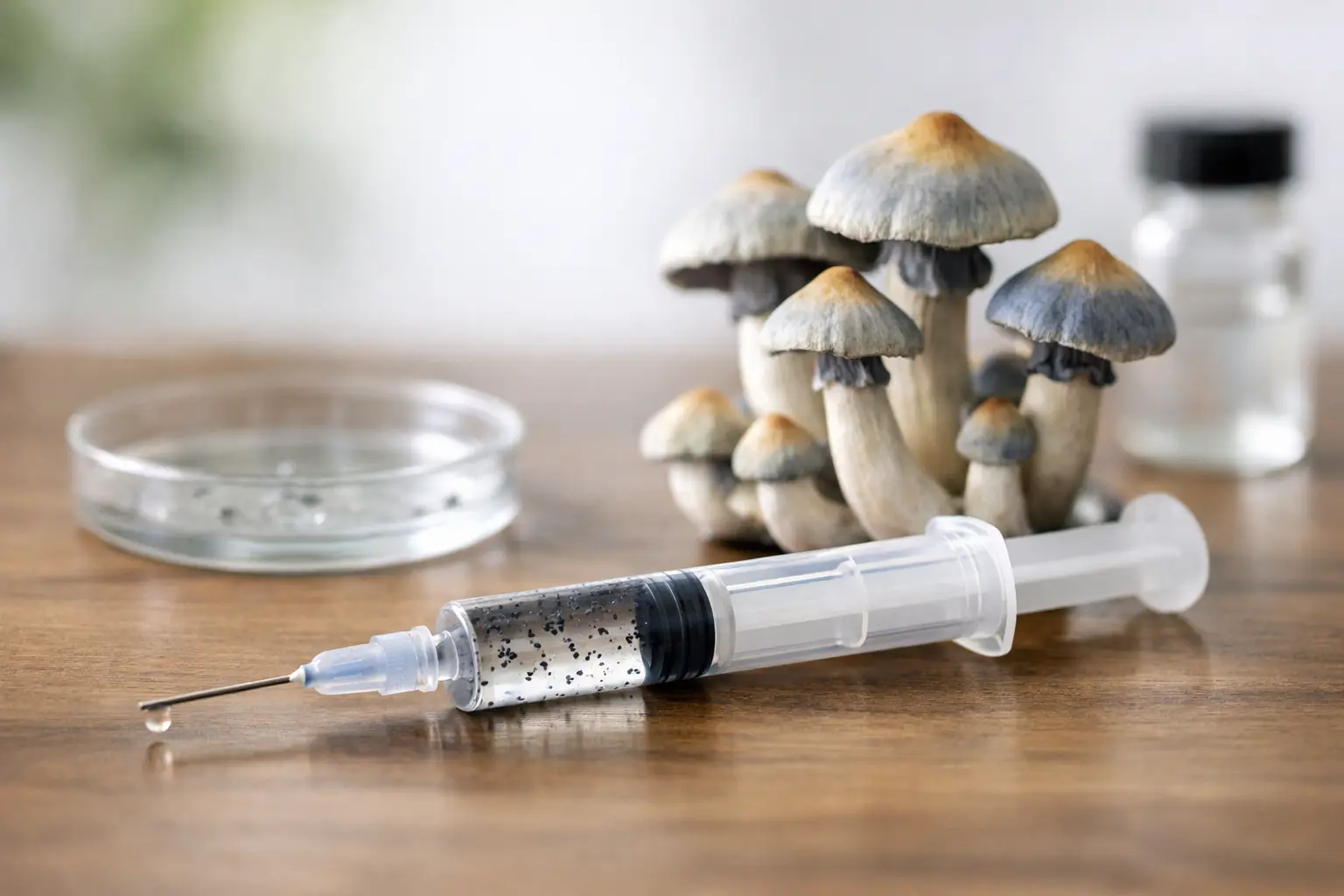
A blue meanie spore syringe is one of those products that gets attention fast, but the name alone does not tell a buyer everything they need to know. In specialty mycology, recognizable names can point to different genetics, different supplier labeling practices, and different expectations around microscopy. The smart move is to look past the label and assess the product details, format, and source before adding it to your cart.
For collectors and microscopy-focused buyers, the appeal is clear: a syringe format is compact, familiar, and easy to store appropriately until it is ready for lawful research or observation. But as with any specialty spore product, consistency starts with clear identification and transparent handling standards.
What Is a Blue Meanie Spore Syringe?
A spore syringe is a suspension containing mushroom spores in sterile water. It is commonly packaged in a sealed syringe and intended for microscopy, taxonomy study, spore collection, and other lawful mycology purposes. Compared with a spore print, the syringe format offers a ready-to-observe sample in a form many hobbyists already recognize.
The phrase “Blue Meanie” deserves a closer look. It is a popular marketplace name, not always a precise scientific identifier. Depending on the seller and catalog, it may refer to a particular named variety or may be used more broadly. That makes product-page details especially valuable. A listing should make it clear how the sample is identified rather than relying entirely on a bold strain name.
This is not a small distinction. Two products with similar branding may have different lineage descriptions, visual traits, or intended research context. Buyers who care about accurate collection records should document the exact listing name, supplier, purchase date, and any identification details provided at the time of purchase.
Why the Syringe Format Appeals to Collectors
Spore prints remain a classic option for many mycology enthusiasts, especially those building a physical reference collection. A blue meanie spore syringe, however, can be a practical format for buyers who prefer a contained sample with straightforward handling for microscopy.
The appeal usually comes down to convenience. Syringes are individually packaged, easy to organize alongside other samples, and simple to distinguish with careful labels. For enthusiasts comparing multiple varieties, this can make cataloging a collection less complicated than managing several loose-format items.
That said, no format is automatically better for every buyer. A print may appeal to collectors who value a traditional archival format. A syringe may appeal to those who want a prepared liquid sample for observation. The best choice depends on the purpose of your purchase, the type of collection you keep, and how you prefer to document your materials.
What to Look for Before Ordering
The strongest product listings do more than repeat a strain name. They give buyers the information needed to make a confident, informed choice. When comparing specialty spore syringes, pay attention to how a seller presents identity, packaging, and ordering expectations.
Clear labeling matters first. Look for a product title that is consistent with the description, along with any relevant species or variety information the retailer can provide. If a listing uses a popular nickname such as Blue Meanie, the surrounding details should help distinguish that specific item from similarly named products elsewhere.
Packaging information matters too. Buyers should know what format they are receiving, how the product is sealed, and whether individual samples are labeled for easy organization. Good retail presentation is not just about appearance. It helps collectors maintain accurate records after delivery.
It is also worth reviewing the seller’s policies before checkout. Shipping availability, destination restrictions, payment options, and order-processing timelines can vary by location. Mycology products are subject to different rules in different jurisdictions, so buyers are responsible for knowing the laws that apply where they live before placing an order.
Finally, consider the retailer’s overall catalog. A dedicated mycology shop with syringes, prints, edible cultures, and supplies gives enthusiasts a more useful way to compare formats and build a collection over time. A broad catalog does not replace careful product research, but it can make it easier to find compatible products without jumping between unrelated sellers.
Reading Product Names Without Guesswork
Mycology product names can be memorable, collectible, and sometimes confusing. Blue Meanie is a good example of why buyers should avoid assumptions based on a name alone. Nicknames travel quickly through forums, product catalogs, and collector circles, while scientific and variety-level descriptions are often more specific.
When a name appears across multiple shops, compare the wording rather than assuming every listing represents the same thing. Note whether the seller identifies a species, provides a lineage description, or uses only a marketing name. If details are limited, treat the product as limited in documentation rather than filling in the blanks yourself.
This approach is useful for any collection, not just Blue Meanie samples. Golden Teacher, B+, Lizard King, and other fan-favorite names are often familiar to buyers, but a well-organized collection benefits from more than familiarity. It benefits from complete labels, saved order records, and a clear distinction between confirmed information and community shorthand.
Storage and Handling for Microscopy Collections
Responsible handling starts with leaving sealed products sealed until they are needed for a lawful, intended use. Keep samples in a clean, dry, temperature-stable place away from direct sunlight, excessive heat, and unnecessary handling. Retain the original label whenever possible, especially if you maintain a larger collection.
Organization can be as simple as a dated storage box, a collection log, and separate sections for syringes, prints, and edible cultures. Record the product name exactly as listed, along with the retailer and order date. That record becomes valuable when you are comparing samples later or reviewing the history of a particular item.
Avoid relying on appearance alone to identify an unlabeled sample. Once original packaging or documentation is lost, confidence in the item’s identity drops quickly. This is one reason clear labeling from the seller and disciplined organization from the buyer go hand in hand.
Comparing Syringes, Prints, and Other Formats
A shopper looking for a Blue Meanie sample may encounter more than one format. There is no universal winner because each format serves a slightly different collecting preference.
Spore syringes are popular for their contained presentation and convenience for microscopy-oriented buyers. Spore prints are often chosen for collection, visual study, and archival interest. Ready-to-inoculate products and cultures occupy a different category entirely, with their own use cases and local legal considerations.
Instead of choosing based on what is most talked about, choose based on what you actually want to document or observe. If your focus is building a labeled assortment of samples, consistency in packaging and product information may matter more than hype. If you are comparing varieties for microscopy, product identity and careful recordkeeping should come first.
A Better Way to Shop Specialty Spores
The most reliable purchase decisions come from a simple mindset: buy the information along with the item. A good blue meanie spore syringe listing should feel clear, not mysterious. It should tell you what format you are ordering, how it is labeled, what you can reasonably expect from the transaction, and whether the retailer’s policies work for your location.
At Myceli Nation, The Mycelium Network is built around giving enthusiasts a central place to browse recognizable favorites, compare specialty formats, and find the mycology supplies that fit their collection goals. Whether you are adding one carefully documented sample or organizing a wider library of spores and prints, prioritize accurate labels, responsible storage, and a source that treats specialty mycology with the detail it deserves.
The best addition to a collection is not simply the one with the most recognizable name. It is the one you can identify, document, and feel confident about long after the package arrives.