
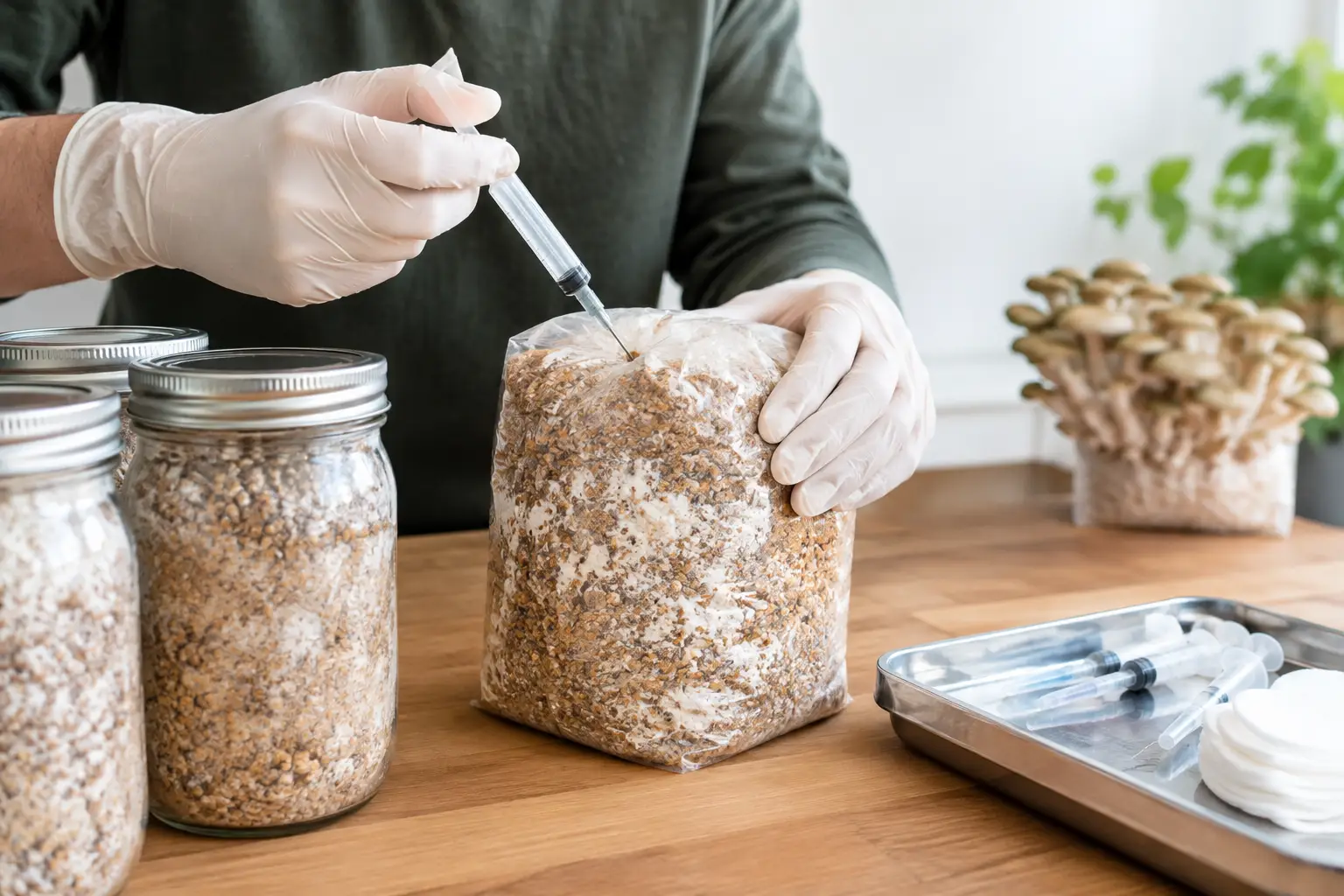
A great grow can be decided before the first culture ever touches a jar. Fresh, clean, correctly stored ready to inoculate supplies remove much of the prep work that slows down home cultivators, leaving more time to focus on species selection, fruiting conditions, and harvest timing.
For gourmet growers, that convenience matters. Whether you are working with oyster, lion’s mane, shiitake, chestnut, or another edible favorite, the right pre-prepared format can make a small project feel manageable instead of turning it into a full lab day. The key is choosing a supply that matches your experience level, available space, and actual cultivation goal.
What Ready to Inoculate Supplies Actually Include
Ready-to-inoculate products are prepared growing media or containers designed to receive a compatible culture without requiring you to mix, hydrate, sterilize, and package every ingredient yourself. Depending on the product, that may mean a sterilized grain bag, an all-in-one bag, a supplemented hardwood block, or a jar filled with prepared grain.
The shared benefit is controlled preparation. The substrate has been hydrated and processed for cultivation, then sealed with an inoculation port or filter patch that supports gas exchange while helping keep outside contaminants out. Instead of building the foundation from scratch, you begin at the point where clean technique and culture selection matter most.
This does not mean every format is interchangeable. Grain is primarily used to expand mycelium before it is moved into a bulk substrate. A hardwood block is often a more direct match for wood-loving gourmet species. An all-in-one bag combines grain and bulk material in one container, which can reduce handling for growers who want a simpler route from inoculation to fruiting.
Choose the Format That Fits Your Grow
The best ready-to-inoculate option depends less on what looks easiest and more on what you want to grow, how much you want to handle the material, and how much room you have for incubation and fruiting.
Sterilized Grain Bags and Jars
Grain bags and jars are a strong choice when you want flexibility. They let a culture expand through a nutritious grain base before you use that colonized grain to inoculate a larger fruiting substrate. This workflow gives growers more volume and more control over what comes next.
That flexibility comes with an extra transfer step. You will need clean conditions when moving colonized grain into a bulk substrate, and you need to plan for separate incubation and fruiting containers. For growers who enjoy dialing in each stage, grain is often worth the added involvement.
All-in-One Grow Bags
All-in-one bags are built for simplicity. They contain both a nutrient-rich grain portion and a bulk substrate portion, allowing the culture to establish itself in one sealed unit. Once colonization is established, the material can be mixed within the bag and left to continue developing.
This format is especially useful for limited-space growers and anyone who wants fewer open-air transfers. The trade-off is that you have less control over the substrate recipe and fewer opportunities to expand the culture into multiple projects. It is convenience first, not necessarily maximum output.
Hardwood and Specialty Fruiting Blocks
Prepared hardwood blocks are a natural fit for species that thrive on wood-based materials. They offer a focused path for growers who already know their culture and want a substrate that aligns with its preferred food source.
These blocks can be highly productive when the species and conditions match, but they are not a one-size-fits-all option. Before choosing one, check that the culture is compatible with the substrate and that you can provide the humidity, fresh air, and temperature the species needs once it reaches the fruiting stage.
Match Your Culture to the Substrate
A ready-to-inoculate bag only performs as well as the match between its contents and the culture you introduce. Oyster mushrooms are famously adaptable, but even adaptable species respond differently to grain, hardwood, straw-based blends, and supplemented sawdust. Lion’s mane and shiitake, for example, are commonly associated with hardwood-forward substrates.
Start with the culture’s preferred nutrition source, then choose the format that supports your goal. If you want to build spawn for several bags or tubs, prepared grain makes sense. If you want to inoculate one contained project with minimal handling, an all-in-one bag may be the better call. If your goal is a clean, species-specific fruiting project, a prepared block can keep the process direct.
It also pays to think about timing. Some cultures colonize aggressively, while others take a more patient pace. A faster species may be forgiving in a beginner setup, but it still needs appropriate temperatures and clean handling. Convenience products reduce preparation work. They do not replace the biological needs of the culture.
Freshness, Storage, and Shipping Matter
Ready to inoculate supplies are not products to leave on a hot porch for a weekend. Heat swings, direct sunlight, punctures, and damaged filter patches can all affect the condition of the material before you even begin.
When your supplies arrive, inspect the package promptly. The bag should be sealed, the filter patch should be intact, and the contents should look consistent with the product description. Keep unopened supplies in a clean, cool, dry location away from direct light. Avoid crushing bags under heavier items or storing them where temperatures fluctuate sharply.
Use supplies within the seller’s recommended window whenever possible. A prepared substrate is not improved by sitting around indefinitely. Ordering when you are ready to work is usually smarter than stocking up months ahead, especially if your cultivation space is still being set up.
Clean Handling Still Makes the Difference
Pre-sterilized supplies lower the barrier to entry, but they do not create a sterile environment around you. Your preparation area, hands, tools, and technique still influence the outcome.
Set up on a wiped-down surface in a calm indoor space. Turn off fans, avoid open windows, and keep pets and unnecessary movement out of the area while you work. Clean the self-healing injection port before use, use fresh and appropriate equipment, and reseal or close the bag exactly as its design requires.
The goal is not to turn a home setup into a commercial laboratory. It is to reduce avoidable exposure at the most vulnerable moment. Small habits such as working methodically, handling bags gently, and not repeatedly checking or moving them during incubation can save a project from preventable setbacks.
Common Buying Mistakes to Avoid
The most common mistake is buying a ready-to-inoculate product because it is popular rather than because it suits the culture. The second is overlooking bag size. A larger bag can offer more potential yield, but it also takes longer to colonize and demands more stable conditions. Bigger is not automatically better for a first grow.
Another issue is treating all products as fruiting-ready. Grain spawn, bulk substrate, and all-in-one bags serve different roles. Read the product description closely so you know whether you are buying a medium for expansion, direct fruiting, or a hybrid option.
Finally, do not ignore your grow space. Before you order, know where the supply will incubate, where it will fruit, and how you will manage moisture and fresh air. A quality bag needs a quality plan around it.
Build a More Reliable Grow Routine
For many cultivators, ready-to-inoculate supplies are the bridge between curiosity and consistency. They make it easier to learn how a culture behaves without first troubleshooting pressure cooking, substrate hydration, and container prep all at once. Once you have repeatable results, you can decide whether you want to stay with convenient prepared formats or take on more of the process yourself.
Myceli Nation is built for that kind of progression: finding the format that fits your current setup, then expanding your options as your confidence grows. Start with a compatible culture, choose a prepared supply with a clear purpose, and give the project the calm, clean attention it deserves. The best next grow is usually the one you are fully prepared to begin.