
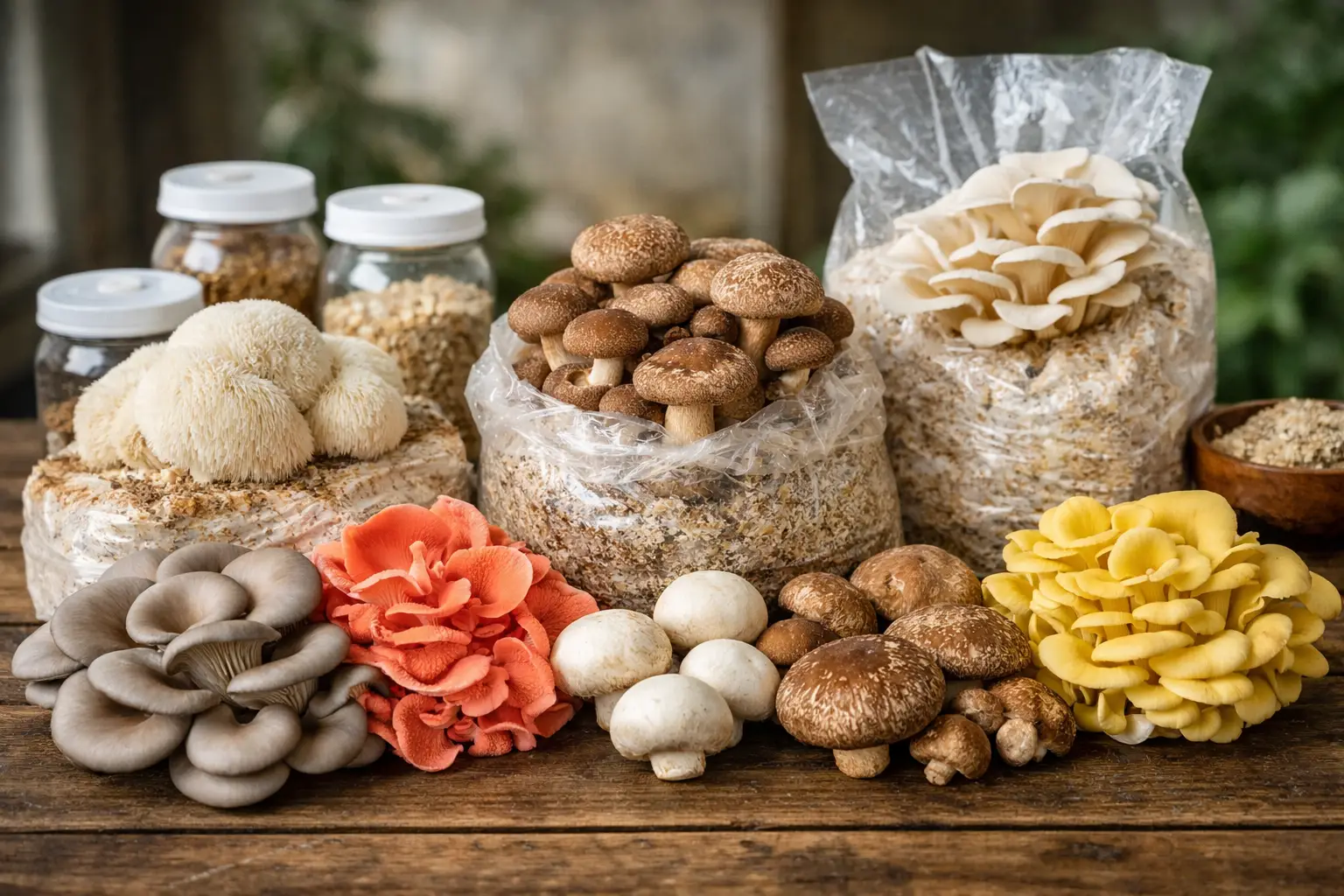
A culture that tears through a supplemented block can be a great buy for one grower and a poor fit for another. The best edible mushroom cultures are not simply the most unusual species on the menu. They are the cultures that match your space, your substrate, your temperature range, and the amount of attention you can give a fruiting block each day.
For home cultivators, starting with a clean, vigorous edible culture removes a major variable. You are not waiting for spores to germinate or sorting through genetic variation. You are working with established mycelium selected for consistent growth, which makes cultures especially useful when your goal is reliable gourmet harvests rather than a long experimental project.
What Makes an Edible Culture Worth Growing?
A good culture earns its place in the grow room through more than flavor. Colonization speed matters because faster substrate run times can reduce the window for contamination. Fruiting temperature matters because a strain that loves cool air may struggle in a warm apartment, garage, or tent. Substrate preference also matters: some species are forgiving on hardwood fuel pellets and soy hulls, while others reward growers who use more specialized recipes.
Look at the full growing cycle before choosing. A culture may be easy to colonize but require high humidity, lots of fresh air exchange, or a precise cold-weather fruiting range. There is nothing wrong with a demanding species, but it should be an intentional choice.
When shopping cultures, prioritize a clearly identified species or strain, a clean presentation, and a format that fits your workflow. Liquid culture can be efficient for inoculating multiple grain jars or bags. Agar cultures offer a useful visual check on mycelial health and are ideal if you already maintain plates. Ready-to-inoculate products are often the practical middle ground for growers who want to get moving without building an entire lab setup.
Best Edible Mushroom Cultures by Growing Style
Oyster mushrooms for fast, forgiving harvests
Oyster mushrooms are often the first recommendation for good reason. They colonize aggressively, accept a broad range of lignocellulosic substrates, and fruit quickly compared with many gourmet species. If you have pasteurized straw, hardwood pellets, or supplemented sawdust blocks, oysters give you plenty of room to learn the basics of moisture, fresh air, and harvest timing.
Blue oyster is a strong all-around option, particularly for growers with moderate to cool fruiting conditions. Pearl oyster is another dependable choice with broad appeal in the kitchen. Pink oyster is a favorite for warm-weather grows because it tolerates higher temperatures and produces striking clusters, though it is less forgiving of stale air and has a shorter shelf life after harvest.
Golden oyster brings color and a delicate texture, but it can be more particular about conditions and tends to mature quickly. Black pearl oyster, a cultivated hybrid-type selection commonly valued by gourmet growers, can offer dense, attractive clusters and a more substantial texture. The trade-off is that it may benefit from steadier fruiting conditions than a basic blue or pearl oyster grow.
For a first culture purchase, oyster varieties are hard to beat. For a more varied grow room, run two types with different temperature preferences so your production does not stop when the seasons shift.
Lion’s mane for growers chasing a premium crop
Lion’s mane is one of the most rewarding gourmet cultures to grow at home. Its white, cascading fruiting bodies look nothing like a standard capped mushroom, and fresh harvests have a mild, seafood-like texture that makes them a standout in the kitchen.
It is not as carefree as oyster mushroom. Lion’s mane generally prefers supplemented hardwood-based substrates and needs a fruiting environment with stable humidity and adequate fresh air. Too much carbon dioxide can lead to compact, coral-like forms rather than the fuller, toothy fruits many growers want. That does not make it difficult in an absolute sense, but it does make environmental control more noticeable.
Choose lion’s mane when you are ready to monitor your fruiting space and want a high-value harvest from a compact block. It is a smart next step after oysters, especially for growers using a small tent, greenhouse shelf, or dedicated humidity chamber.
Shiitake for patience and serious flavor
Shiitake culture is a classic choice for growers who do not mind waiting. It is slower than oyster mushroom and typically requires a maturation or browning period after full colonization, but the payoff is a deeply flavored mushroom with excellent culinary range.
Shiitake performs best on hardwood sawdust-based blocks rather than low-nutrient straw. Its slower pace means clean technique matters from the beginning. A rushed or poorly hydrated block can cost you weeks. Still, once you understand the schedule, shiitake can be a satisfying production crop with firm fruits and strong shelf life.
This is a culture for the grower who wants to build a rotation rather than chase the fastest possible harvest. In a mixed grow room, shiitake can colonize and mature while oysters keep your harvest basket full.
Chestnut mushrooms for dense clusters and visual appeal
Chestnut mushrooms are a fan favorite for their caramel-brown caps, crisp stems, and clustered growth. They offer a useful middle path between familiar culinary mushrooms and more specialized gourmet varieties. Their flavor is rich and nutty, and they hold up well in sautés, soups, and stir-fries.
Chestnut cultures usually prefer supplemented hardwood substrates and cool to moderate fruiting conditions. They can take longer to develop than oysters, so avoid judging a block too early. Patience is part of the crop. Once pins form, maintain humidity without soaking the developing clusters, and provide enough fresh air to support sturdy growth.
For growers building a gourmet lineup, chestnut is an excellent complement to lion’s mane and shiitake. It gives your grow room a different texture, color, and harvest profile without requiring an entirely different cultivation approach.
Pioppino and nameko for growers who want range
Pioppino and nameko are worth considering once your basic fruiting conditions are dialed in. Pioppino produces elegant clusters with long stems and small brown caps, along with a savory flavor that works well in pasta, broths, and pan-seared dishes. It usually prefers hardwood-based substrate and steady fruiting conditions.
Nameko is distinctive for its small amber caps and naturally glossy surface. It is often used in soups and Japanese-inspired dishes, where its texture becomes part of the experience. It can be a fun culture for growers looking beyond standard supermarket mushrooms, but it is best approached with a little environmental control already in place.
Neither needs to be your first culture. Both are better viewed as a way to expand a working setup once you understand how your space responds to humidity, fresh air, and seasonal temperature changes.
Choosing the Best Edible Mushroom Cultures for Your Setup
Start with the conditions you already have instead of buying around an ideal future setup. If your fruiting area runs warm, pink oyster is likely a more realistic pick than a cold-fruiting species. If you have a cool basement or climate-controlled tent, blue oyster, chestnut, lion’s mane, and shiitake become easier to manage.
Your substrate plan should shape the decision too. Straw growers should lean toward oysters. Growers using hardwood pellets and supplementation have access to a broader gourmet range, including lion’s mane, chestnut, shiitake, pioppino, and nameko. Matching culture to substrate is cheaper and easier than forcing a species onto material it does not prefer.
Consider your schedule. Oysters fit growers who want quick feedback and frequent harvests. Shiitake suits those comfortable with a longer timeline. Lion’s mane is a good choice when you can check fruiting blocks regularly. A culture’s reputation only matters if you can give it the conditions it needs.
Keep a Small Culture Rotation Instead of Chasing One Perfect Strain
The most productive home growers rarely depend on a single culture. A small rotation creates flexibility. Keep one fast crop, such as an oyster variety, one premium gourmet crop like lion’s mane, and one slower variety such as shiitake or chestnut. This approach spreads out your workload and gives you a better read on what performs well in your specific environment.
Record inoculation dates, substrate recipes, colonization time, fruiting temperatures, and harvest weight. Those notes turn a good culture into a repeatable process. They also make it easier to compare two oyster varieties or decide whether a chestnut culture is worth keeping in regular rotation.
At Myceli Nation, The Mycelium Network is built for growers who want that kind of range: familiar edible staples, specialty gourmet options, and cultivation formats that fit where you are in the hobby. Start with a culture that suits your current setup, grow it cleanly, and let each harvest point you toward the next species worth adding.