
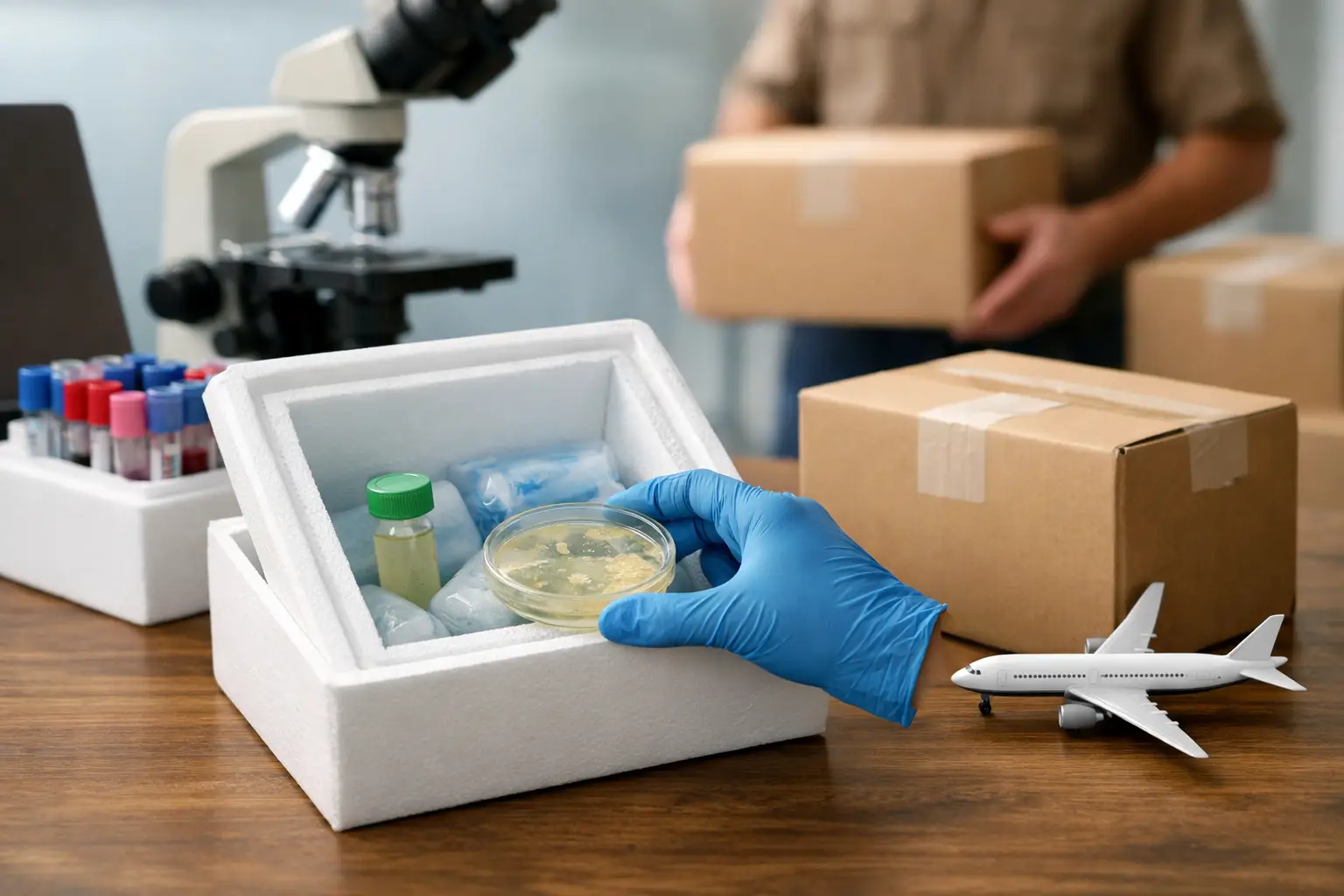
A live culture is not a shelf-stable supply item. It is active mycelium in a nutrient medium, and culture shipping is the handoff that determines whether that living material arrives ready for your next project or spends too long dealing with heat, cold, or delay. For cultivators ordering edible cultures, the best shipment is usually the one that moves quickly, arrives on a day you can receive it, and gets inspected without being left in a mailbox.
What Culture Shipping Actually Involves
Culture shipping is the process of packaging and transporting a live mushroom culture, most commonly in a culture syringe, liquid culture vessel, or agar format. Unlike dry goods, cultures have a limited comfort zone. The goal is not to keep them in perfect incubator conditions during transit. It is to protect them from temperature extremes, physical damage, and unnecessary time in the carrier network.
That distinction matters when comparing products. A spore print, a cultivation tool, and a live culture may all appear in the same order, but they do not have the same handling needs. The culture is generally the item that should shape your delivery plan.
A seller’s role is to prepare the culture carefully, package it securely, and choose an appropriate shipping method. Your role begins before checkout: select an address where someone can bring the package inside, avoid ordering before a long trip, and consider the weather along the delivery route. Even excellent packaging has limits when a box sits outside in direct summer sun or freezing overnight conditions.
What Affects Live Culture Viability in Transit
Transit time is the biggest factor. Shorter routes and fewer carrier handoffs reduce the chances of exposure and delay. This does not mean every culture needs overnight delivery. It means the shipping option should make sense for the season, distance, and your local delivery conditions.
Temperature is the next variable. Moderate temperatures are generally easier on live cultures than prolonged heat or freezing cold. In warm weather, a package can heat up quickly in a truck, locker, or porch area. In winter, cold exposure can slow or stress mycelium, particularly if the shipment is held outdoors. Insulation or seasonal packaging can help, but it cannot turn a delayed package into a climate-controlled shipment.
Physical handling also counts. Culture syringes should be secured so plungers, caps, and packaging do not shift in transit. Agar plates and slants need protection against cracking, while liquid culture containers need enough room that movement does not create a mess. A clean, well-packed order is not just about presentation. It protects the material and makes inspection easier when it arrives.
Timing is often underestimated. Ordering late in the week can mean a package enters a weekend or holiday hold, depending on the service selected and carrier schedule. For many buyers, placing an order early in the week is the practical move. It gives the shipment more time to travel during regular delivery days and helps you avoid an unnecessary pause.
Choosing the Right Shipping Setup
The right culture shipping setup depends on what you are ordering and where it is going. A hobbyist receiving one edible liquid culture at a residential address may prioritize a straightforward tracked service. Someone ordering several cultures for a planned grow cycle may care more about coordinating delivery with their availability.
Before placing an order, confirm that your address is complete, including apartment numbers, unit details, or gate information. A carrier cannot deliver accurately if the address leaves room for guesswork. If your building has a package room, front desk, or secure delivery location, use the details that make a first-attempt delivery more likely.
Tracking is useful because it lets you plan around the actual delivery window instead of waiting for a vague estimate. Check updates on the expected delivery day, especially during high-heat or cold-weather periods. If a shipment shows a meaningful delay, keep an eye on its progress rather than assuming it will arrive on the original date.
For orders going farther from the seller, shipping speed may be worth weighing against cost. Faster service can reduce transit exposure, but it is not automatically necessary in every situation. Mild weather, a reliable carrier route, and a secure delivery location may make standard shipping perfectly reasonable. During weather extremes or when delivery conditions are uncertain, a quicker option can be a smart safeguard.
Your First 30 Minutes After Delivery
When the package arrives, bring it inside promptly. Do not leave it on a porch, in a hot car, or near a heater while you finish other tasks. Open the outer packaging carefully and inspect the contents before preparing your work area.
Look for obvious concerns such as a damaged syringe, leaking container, broken plate, or an item that does not match your order. A healthy-looking liquid culture may show light cloudiness or visible mycelial growth depending on its age and format. Appearance can vary by species and culture type, so avoid making a judgment based on one visual detail alone.
If the package arrived unusually warm, cold, or shaken up, give the culture time to settle at an appropriate storage temperature before use. Avoid the temptation to rush it straight into inoculation just because it has arrived. A short period of calm handling is better than adding another source of stress.
For a clean workflow, prepare your workspace before opening individual culture packaging. Have your sterile tools, labeled substrate or media, and disposal materials ready. Confirm the culture label against your plan so you do not mix up varieties once several products are on the bench.
Storage Between Arrival and Use
The best storage method depends on the culture format and how soon you plan to use it. If you are using a culture promptly, keep it protected from direct light and temperature swings until your work session. If you need to hold it longer, follow the product-specific storage guidance supplied with the culture.
In general, storage is about slowing activity without exposing the culture to damaging conditions. Refrigeration may be appropriate for some culture formats and short-term holding plans, while freezing can damage living material. Do not assume every product should be stored the same way just because it contains mycelium.
Labeling makes a difference here. Record the culture name, arrival date, and intended use. If you maintain more than one edible strain or work through a rotation of cultures, a simple label system prevents the classic problem of finding a perfectly healthy syringe later with no idea what project it belonged to.
When a Shipping Issue Needs Attention
Most culture shipping questions are straightforward: a tracking update is late, the package was delivered while you were away, or a product needs a little time to settle. More serious issues include visible damage, missing items, or delivery delays that expose the shipment to extreme conditions.
Document clear problems as soon as you notice them. Keep the packaging, take photos of visible damage, and note the delivery date and condition. Clear information gives customer support something useful to work with and avoids confusion about what happened. Do not discard a damaged box immediately if you may need to report the issue.
For buyers building a dependable culture routine, the goal is not to eliminate every shipping variable. That is impossible once a package enters a carrier network. The goal is to control the variables you can: order at a sensible time, choose a reliable delivery address, watch tracking, and handle the culture calmly on arrival.
Myceli Nation is built for growers who want their mycology supplies in one place, but a successful order still starts with good receiving habits. Treat a live culture like the active material it is, plan for the season, and give it a clean path from delivery box to your next edible mushroom project.