
A few years ago, most home growers started with a basic kit, a curiosity about fungi, and a lot of trial and error. Current mycology trends point to a more informed scene: cultivators are choosing formats with intention, building cleaner workspaces, comparing genetics more carefully, and treating fungi as a long-term hobby rather than a one-off experiment.
For The Mycelium Network, that shift matters. The modern mycology buyer is not looking for a random listing buried in a crowded marketplace. They want clear categories, dependable supply options, recognizable varieties, and enough information to choose the right format for their goals.
Mycology Trends Are Moving Beyond the Starter Kit
Starter kits still have a place, especially for someone learning the basic life cycle of fungi. But the biggest change is that hobbyists are quickly graduating from all-in-one purchases to modular setups. They want to select individual components based on their space, experience level, and the species they want to study or grow.
That means more attention on spores, spore prints, ready-to-inoculate products, edible cultures, substrate options, and sterile workflow supplies. A buyer with a small apartment setup may value simplicity and compact storage. Someone with a dedicated hobby area may prefer the flexibility of choosing cultures, containers, and materials separately.
Neither route is automatically better. Convenience reduces decision fatigue, while a modular setup gives growers more control over process and repeatability. The key trend is intentional buying. People are asking what a product is for before adding it to the cart.
Format Choice Is Becoming a Real Skill
Spore syringes, prints, liquid cultures, and ready-to-inoculate options each serve different purposes. More shoppers now understand that the best choice depends on whether they are collecting for microscopy, preserving a favorite variety, working with edible species, or seeking a streamlined cultivation project.
Spore prints remain popular with collectors who appreciate their compact format and storage potential. Syringes are favored for their accessibility and familiar handling. Edible cultures appeal to growers focused on culinary species and consistent home harvests. Ready-to-inoculate products shorten the number of steps between planning and action.
The trend is not that one format is replacing another. It is that buyers increasingly expect a storefront to let them shop by format without forcing them to decode vague product labels.
Clean Technique Is Becoming Part of the Hobby Identity
The most durable mycology trends are not flashy. They are practical. Clean technique, organized tools, and careful observation have become markers of a serious home lab, even for beginners.
Hobbyists are paying closer attention to work surfaces, storage, labeling, and timing. They are learning that success often comes from repeatable habits rather than expensive equipment. A tidy setup with clearly marked cultures and supplies can be more useful than a crowded shelf full of products chosen without a plan.
This also changes what shoppers look for. They want supplies that make organization easier: dependable containers, appropriate inoculation products, culture options, and materials that fit their preferred workflow. Education matters here, but so does availability. If growers have to hunt across several unrelated suppliers for basic items, they are less likely to build a consistent process.
There is a trade-off. A more careful workflow takes time. Labeling every item, tracking dates, and keeping a dedicated work area may feel excessive at first. Over time, though, those small habits make it easier to identify what worked, what failed, and what to adjust next.
Edible Cultures Are Driving Everyday Interest
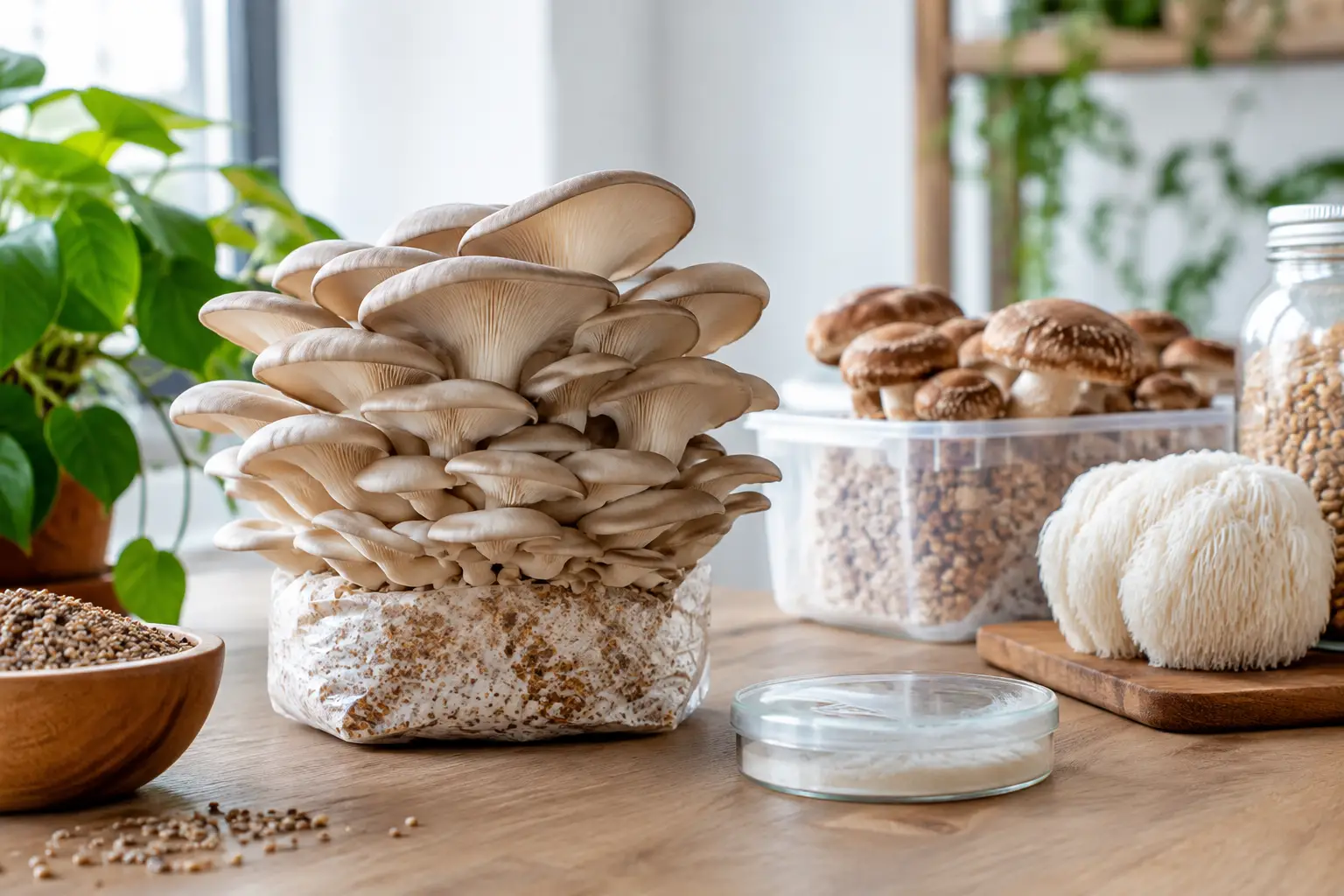
Culinary mushrooms continue to bring new people into mycology. Oyster mushrooms, lion’s mane, shiitake, chestnut mushrooms, and other gourmet species make the hobby tangible because the results can move from a grow space to the kitchen.
This interest is expanding beyond novelty countertop projects. Many growers are learning about seasonal conditions, substrate preferences, fruiting environments, and the differences between species. They are also discovering that edible cultivation rewards patience. The culture may be only one part of the equation; temperature, humidity, airflow, cleanliness, and timing all influence the final result.
For experienced enthusiasts, edible cultures offer a useful way to keep experimenting. One species may be chosen for speed and forgiving behavior, while another may be selected for flavor, texture, or a more demanding project. That variety keeps the hobby interesting without requiring every grower to pursue the same outcome.
Collectors Want Better Organization, Not Just More Variety
Variety remains a major draw in the spore and print market. Familiar names such as Golden Teacher, B+, Blue Meanie, and Lizard King hold attention because collectors recognize them and can compare them with other offerings. At the same time, collectors are becoming more selective.
Instead of buying every new name that appears, many are building a more considered library. They may focus on a few fan favorites, compare visual characteristics under microscopy, or keep prints organized by source, date, and collection notes. The appeal is part science, part cataloging, and part connection to a community that understands why a carefully maintained collection matters.
A broad inventory still helps, but clarity matters just as much. Strong category navigation lets shoppers find standard options, exotic selections, edible cultures, and bundle packs without scrolling through an unstructured catalog. The best retail experience respects both the collector who knows exactly what they want and the enthusiast who is still narrowing down their interests.
Bundles Are Getting Smarter
Bundles are no longer just a discount strategy. When designed well, they solve a real planning problem. A themed set can help a microscopy collector explore several varieties, while a cultivation-focused bundle can reduce the chances of forgetting a needed component.
The useful bundle is not simply bigger. It is coherent. Products should fit together around a purpose, such as building an edible mushroom project, restocking common supplies, or comparing several popular selections. Buyers appreciate value, but they also notice when a bundle contains filler they would not have chosen on its own.
This is where specialty stores have an advantage over general marketplaces. A shop that understands mycology can organize products around the way enthusiasts actually browse: by culture type, format, experience level, popularity, or project goal. That approach turns a large catalog into a more useful resource.
The Community Is Part of the Product
Mycology can be technical, but it is rarely a solitary interest for long. Enthusiasts trade notes, compare observations, share setup ideas, and keep an eye on what other growers and collectors are trying. Newsletter updates, educational content, affiliate communities, and specialized drop shipping programs all reflect the same reality: people want access to a network, not just a checkout page.
The strongest communities make room for different experience levels. A first-time buyer may need help choosing an approachable edible culture. A longtime collector may be looking for a fresh drop or a specific print format. Both should be able to find clear information without being talked down to.
That community layer also helps separate passing hype from useful developments. New tools and new varieties can be exciting, but growers tend to stick with what improves consistency, saves time, or makes the hobby more enjoyable. A recommendation carries more weight when it comes from people who actually understand the process.
What to Watch Next in Mycology Trends
Expect continued demand for convenient formats, better-organized product categories, and cultures suited to home-scale projects. More buyers will also look for products that support a cleaner, repeatable workflow rather than chasing the largest possible setup from day one.
The bigger shift is confidence. Today’s enthusiasts are more likely to compare options, read product details, and build collections or cultivation routines around their own interests. Whether your focus is edible species, microscopy, prints, or a carefully planned home project, the best next step is usually the one that fits your space, goals, and current skill level – then gives you something worthwhile to learn from.